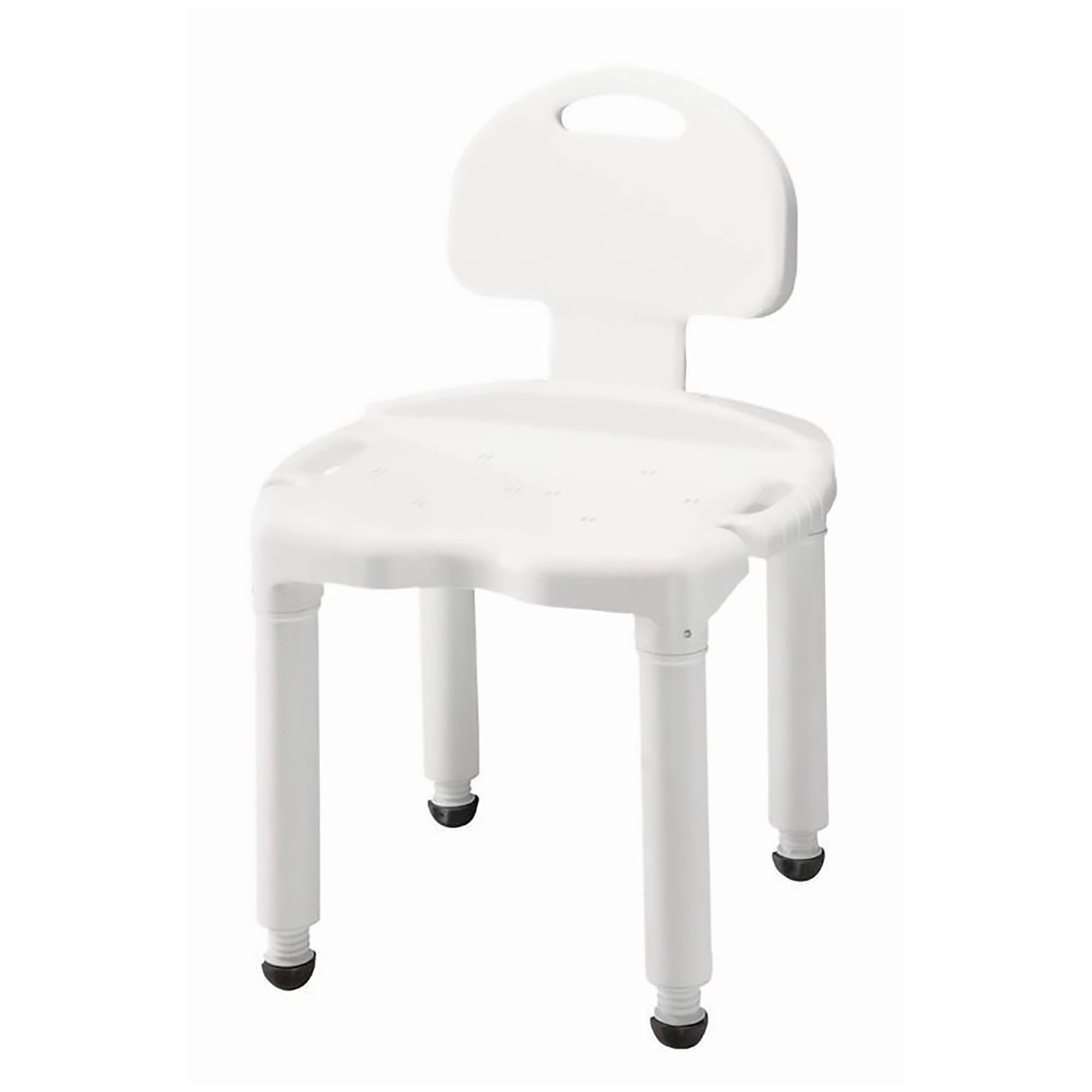
Bath Bench

11 products

Showing 1 - 11 of 11 products

Bath Benches and Shower Seats for Safer, More Comfortable Bathing

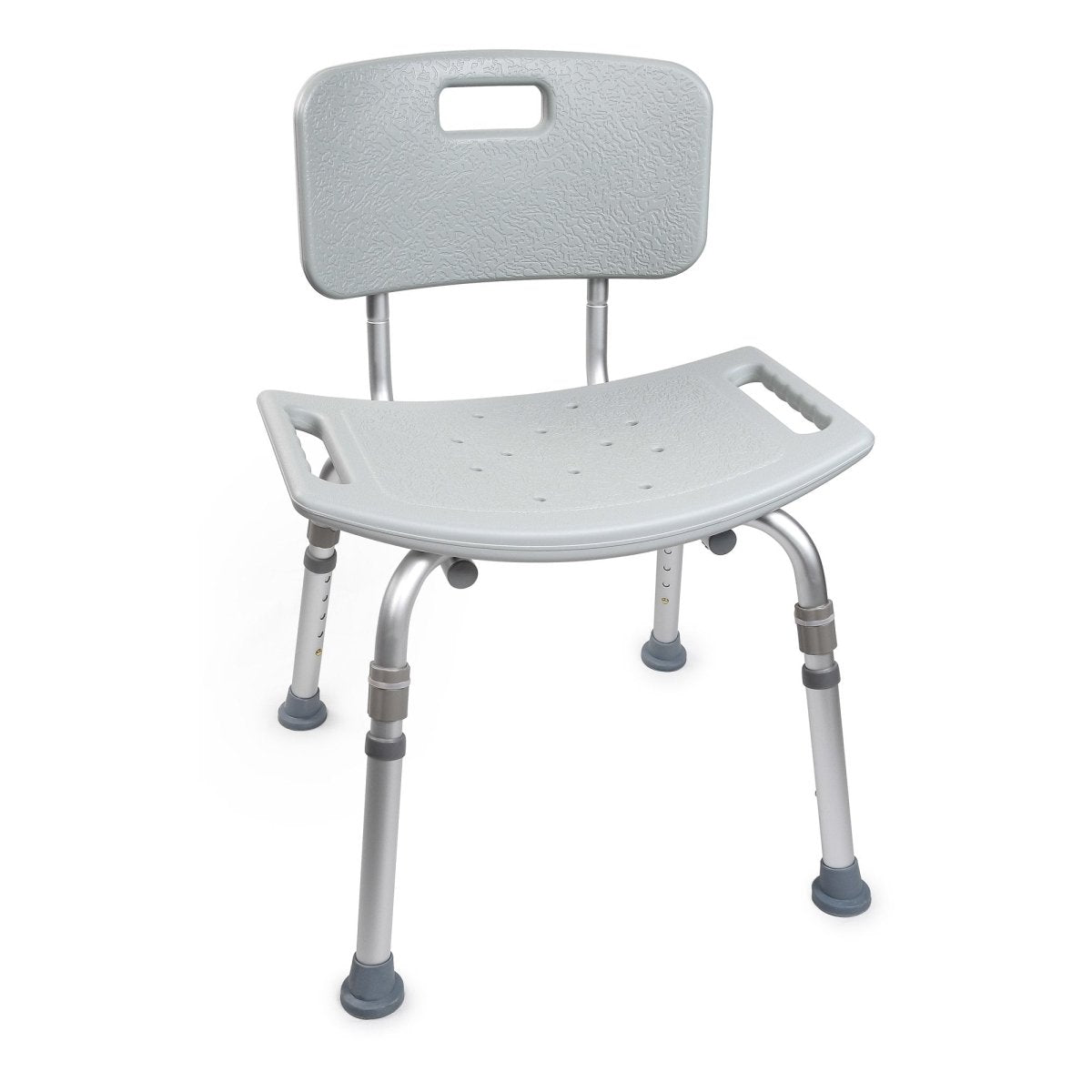
A bath bench or shower seat gives anyone who prefers to sit while bathing a stable, reliable place to do so. Cart Health carries a range of options from trusted brands including McKesson, Drive Medical, Maddak, and Apex-Carex Healthcare — from simple backless seats to fully featured transfer benches with arms and removable backs. Whether you're outfitting a walk-in shower, a standard tub, or need a bench that bridges the tub edge for easier entry, this collection has a style to match.
Showing 1 - 11 of 11 products
View
McKesson Aluminum Transfer Bench - 1128906_EA - 1
McKesson Aluminum Bath Transfer Bench with Removable Back - 1128905_EA - 1
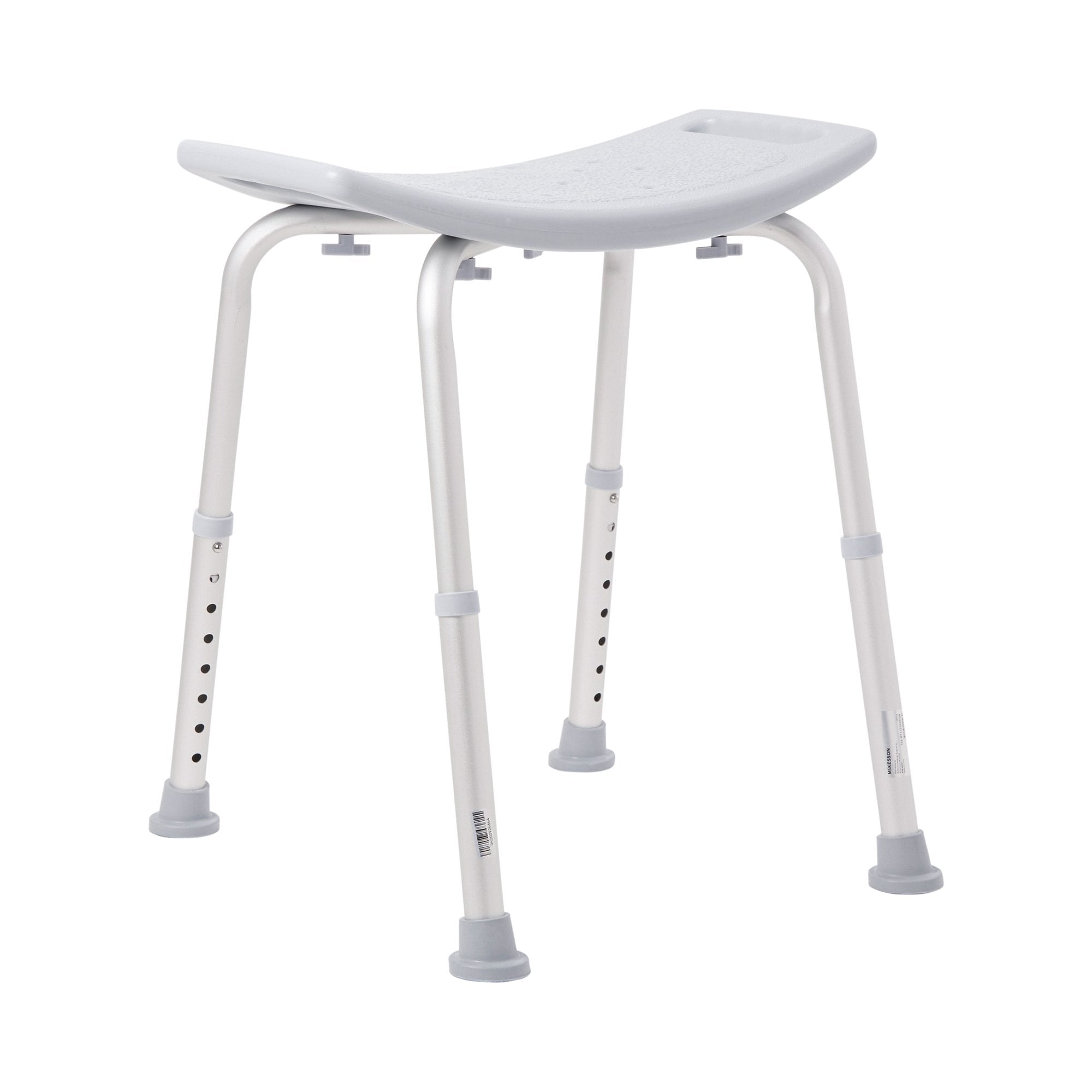
McKesson Aluminum Bath Bench, 15½ – 19½ Inch Height -Each
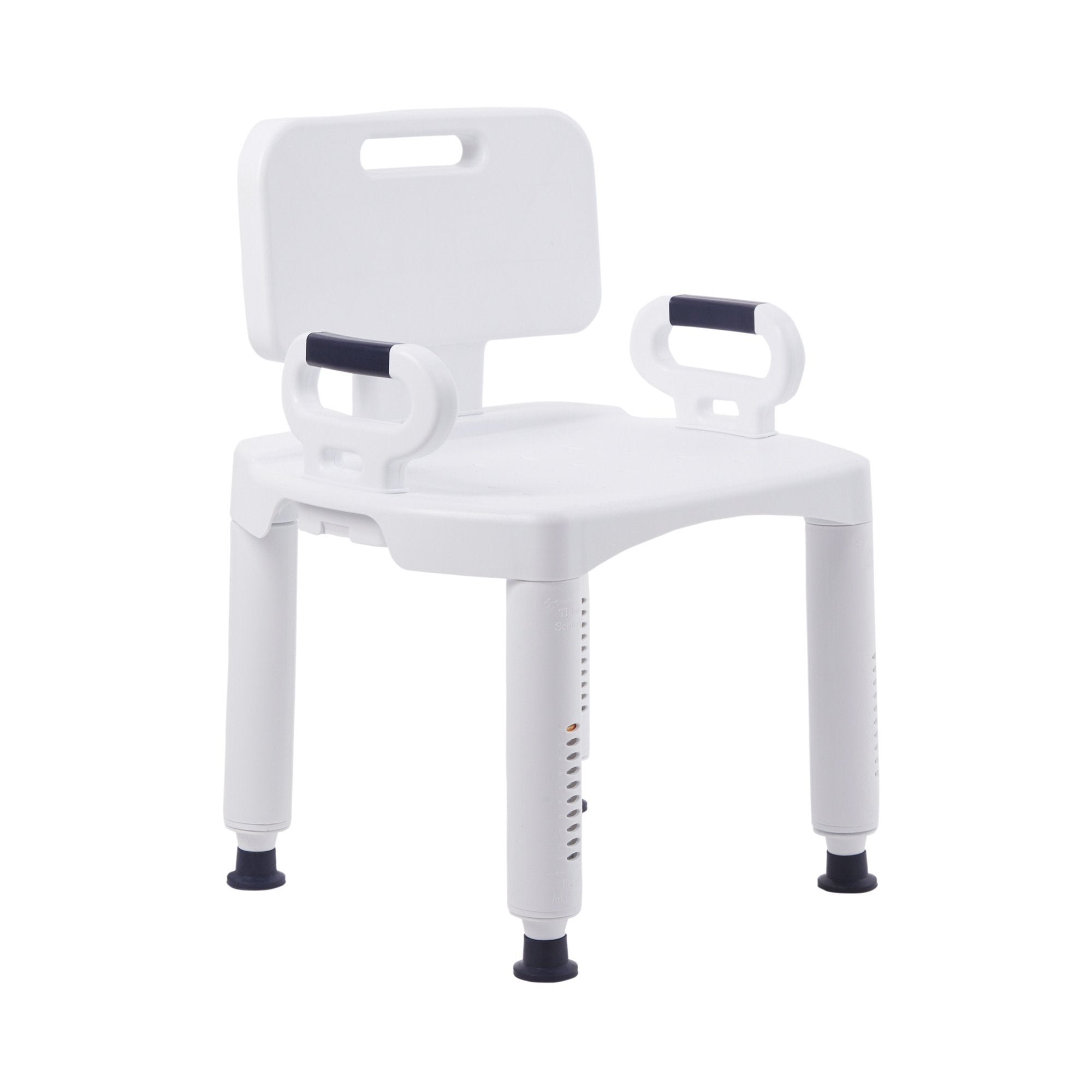
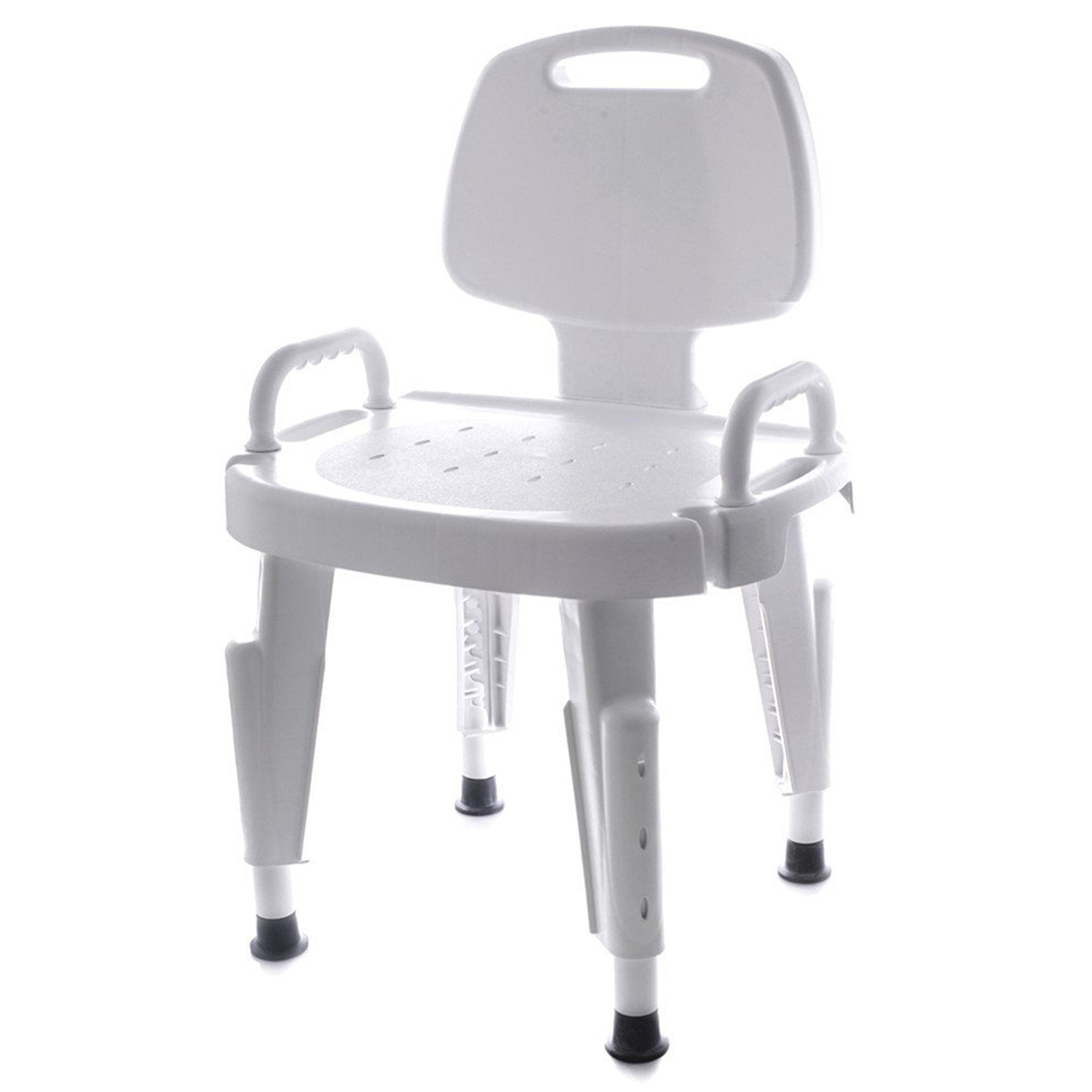
Maddak Adjustable Shower Seat with Arms and Back -Each
drive Shower Chair with Back and Removable Padded Arms - 1032859_EA - 1
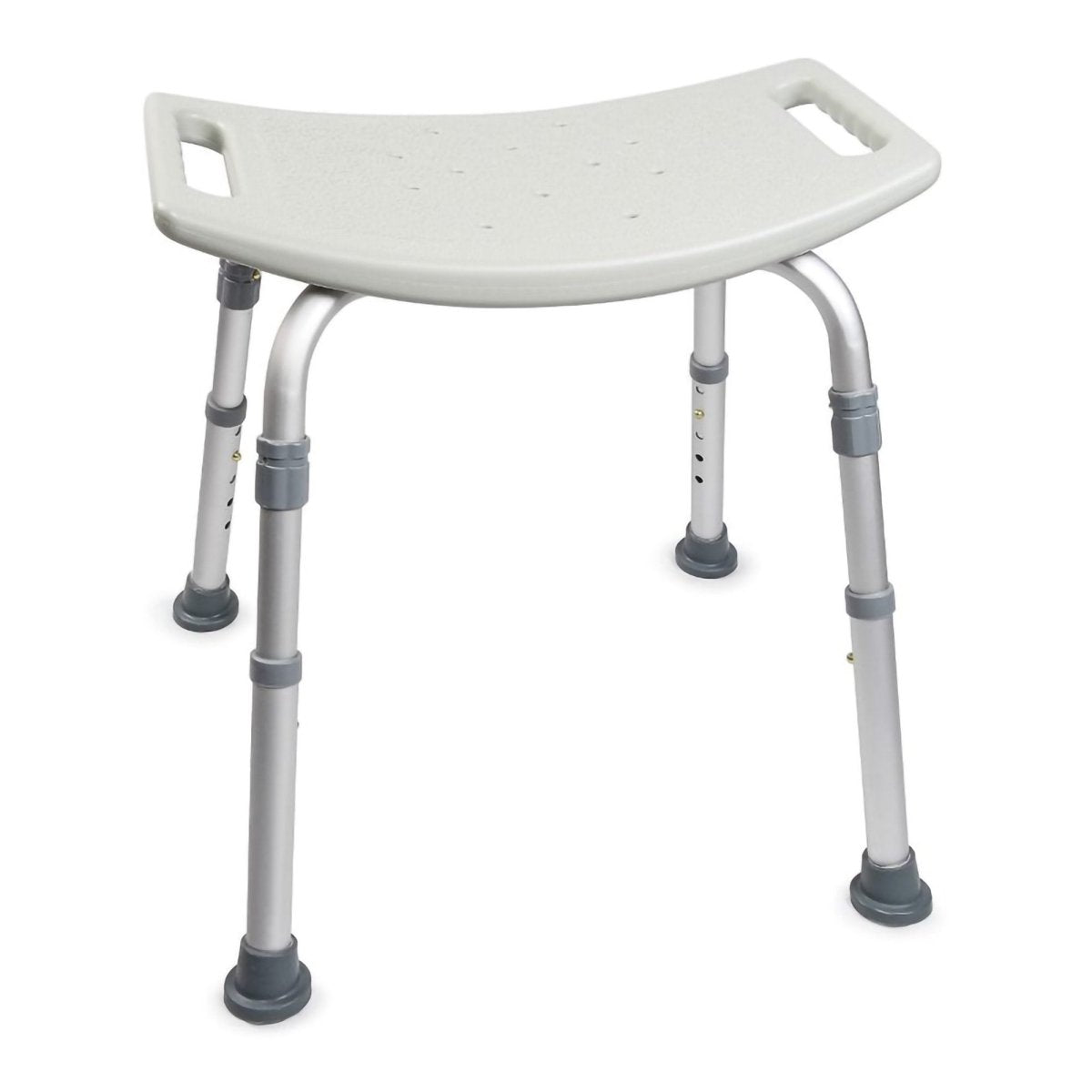
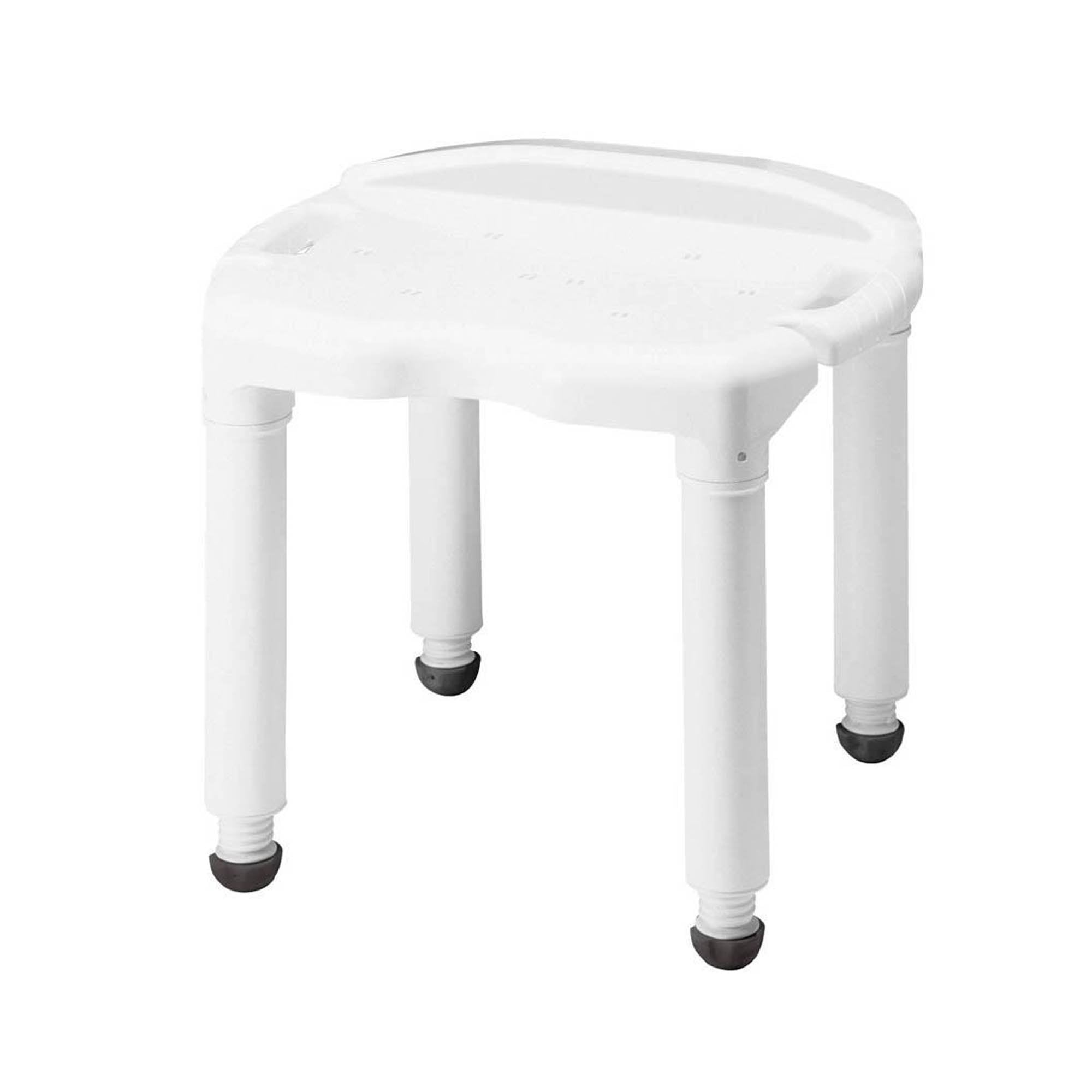
Carex Universal Bath Seat Without Back, White, 400-lb Capacity -Each
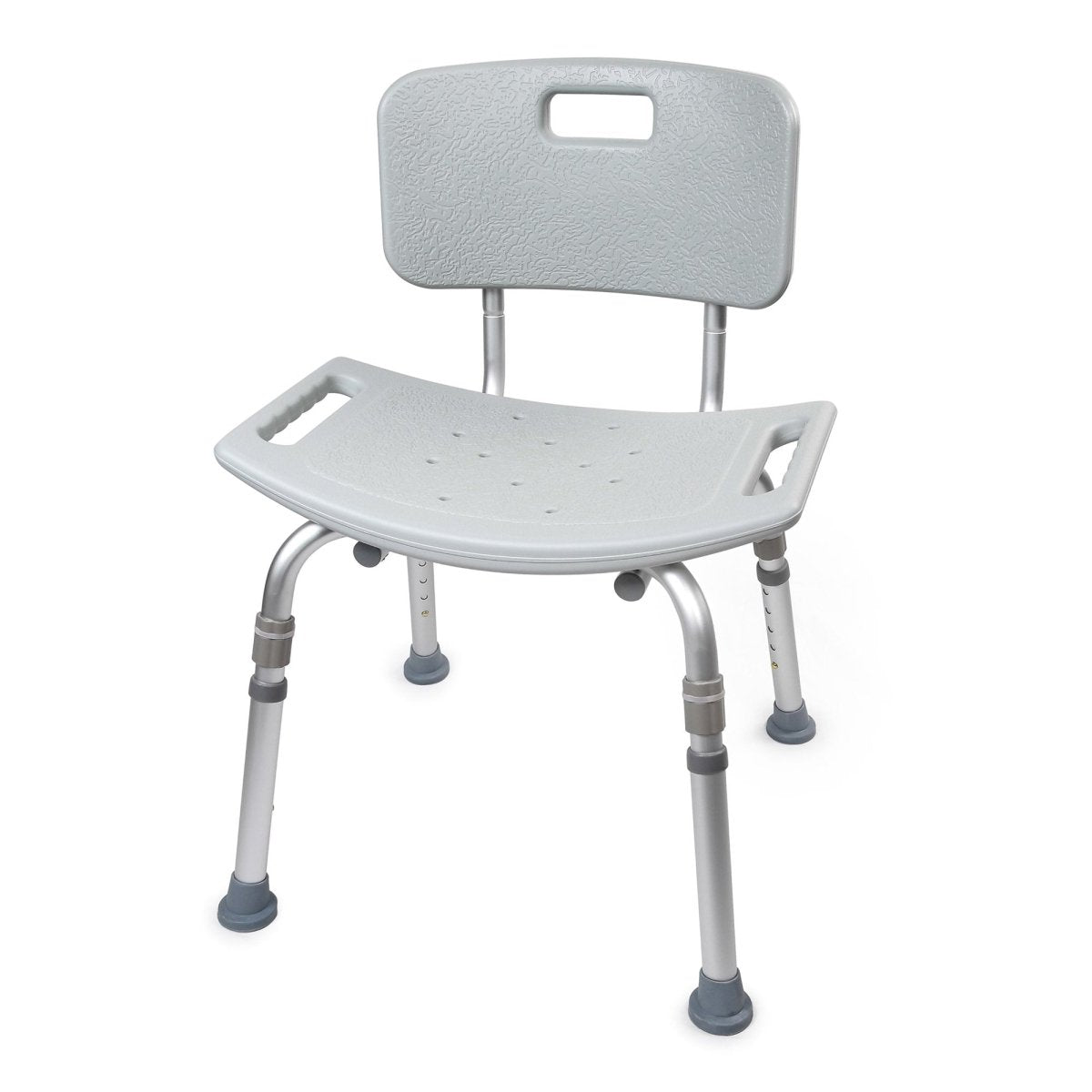
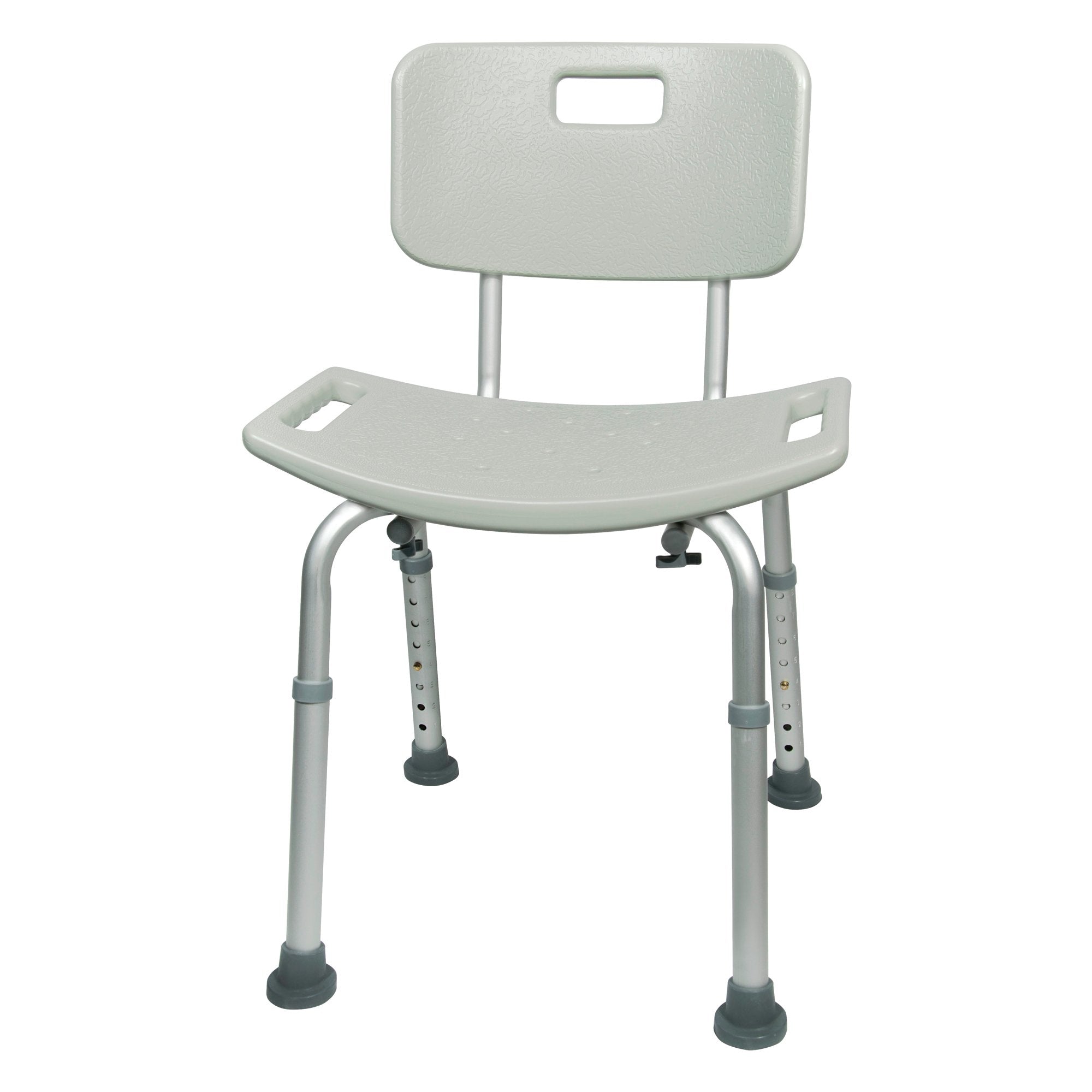
Carex Universal Bath Seat with Back, 400-lb Capacity -Each
Carex Shower Bench - 311169_EA - 1
Carex Shower Bench
Sale price$64.99

Frequently Asked Questions about Bath Bench

A bath bench is a sturdy, water-resistant seat designed to be placed inside a bathtub or shower to allow users to bathe while seated rather than standing. Bath benches help reduce the risk of slipping and falling during bathing, making the experience safer and more manageable for people with limited mobility or balance challenges.

Bath benches are designed for older adults, people recovering from surgery or injury, and individuals with mobility limitations, chronic pain, or balance issues that make standing in a shower or tub difficult or unsafe. Caregivers assisting someone with bathing may also find a bath bench helpful for providing stable, comfortable support during the process.

Place the bath bench securely inside the tub or shower stall before turning on the water, adjusting the legs to a stable height on the floor surface. Sit down carefully from outside the tub, then swing your legs in one at a time. Always confirm all four legs are fully locked and non-slip feet are gripping the floor before sitting.

A bath bench sits entirely inside the tub or shower, while a transfer bench straddles the tub wall with two legs inside and two legs outside, allowing users to slide across the seat rather than step over the tub edge. Transfer benches are generally recommended for people who have significant difficulty lifting their legs over the side of the tub.

Bath bench sizing depends on the user's weight capacity needs, the width of the tub or shower stall, and the desired seat height range. Most bath benches offer adjustable leg heights to accommodate different users, so measuring the interior width of your tub or shower and checking the product's stated weight capacity before purchasing is the best approach.

Yes, most bath benches can be used in a walk-in shower as long as the shower floor area is large enough to accommodate the bench's footprint and all four legs rest flat on the floor. Checking the bench's width and depth dimensions against your shower stall measurements before purchasing ensures a proper and safe fit.

Yes, a bath bench with a back provides additional trunk support and is generally recommended for users who have difficulty sitting upright without assistance or who fatigue easily. Backless bath benches are lighter and may suit users who have good core stability and simply need a stable seat for comfort and fall prevention during bathing.

Bath benches are typically made from aluminum frames or plastic frames, both of which resist rust and corrosion from regular water and soap exposure. Seating surfaces are often made from molded plastic, which is easy to wipe clean and dries quickly, making these materials well suited for the wet environment of a tub or shower.

Because standing in a wet tub or shower significantly increases the risk of slipping and falling, a bath bench gives users a safe, stable place to sit while bathing, reducing that risk considerably. For people managing fatigue, pain, or recovering from a procedure, a bath bench also makes bathing less physically demanding and more independent.

Clean a bath bench regularly by wiping down the frame and seat with mild soap and warm water, then rinsing thoroughly and allowing the bench to air dry completely between uses. Periodically check that all leg adjustment buttons or locks are functioning properly and that non-slip feet are intact, replacing worn feet promptly to maintain safe traction on wet surfaces.

Recently viewed