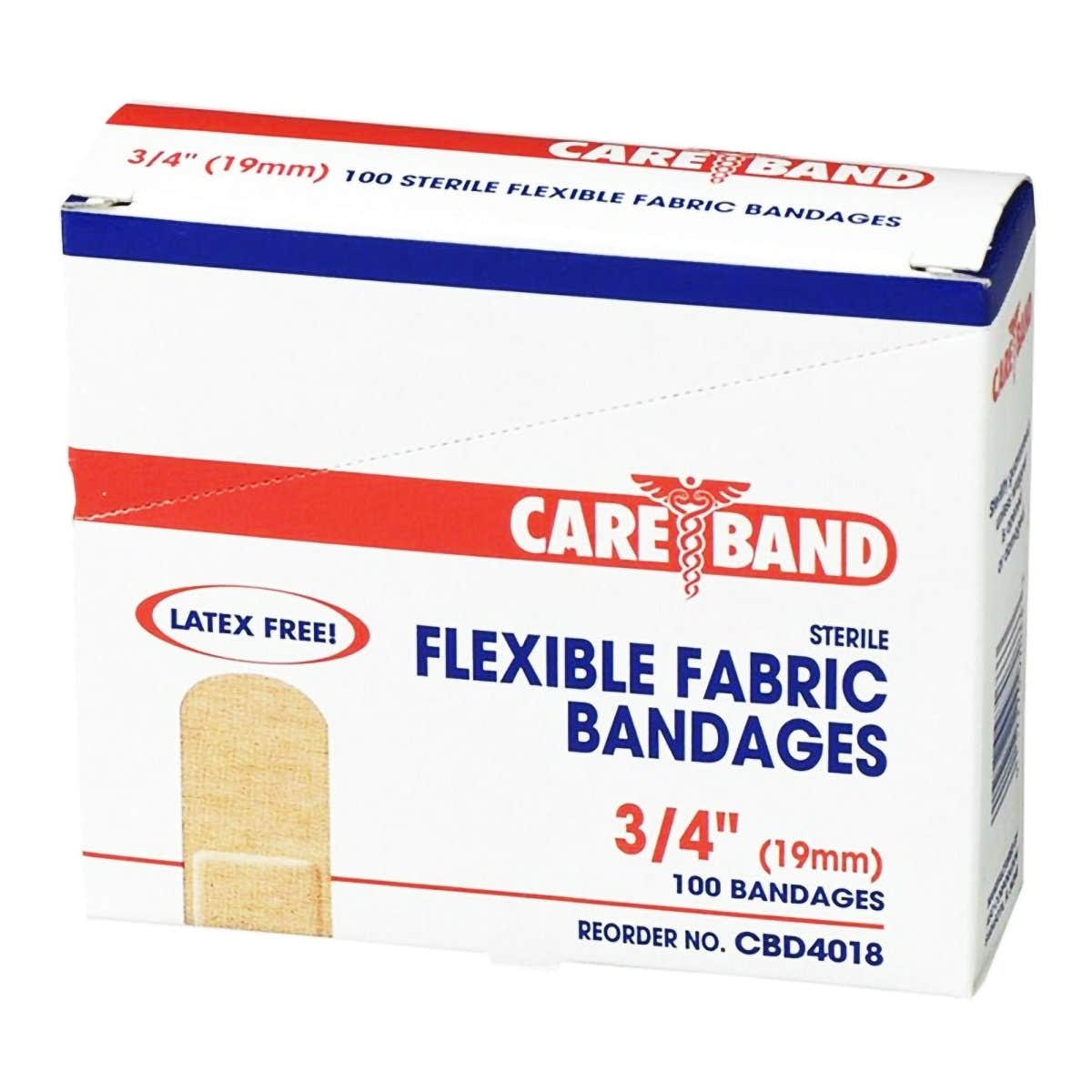
Careband

3 products

Showing 1 - 3 of 3 products

Careband Adhesive Strips: Reliable Everyday Wound Care

The Careband collection at Cart Health brings together a focused range of adhesive strips designed for everyday first-aid needs. Whether stocking a home medicine cabinet, a workplace first-aid kit, or a travel bag, Careband offers straightforward, dependable options in a variety of materials and finishes to suit different skin tones and situations.
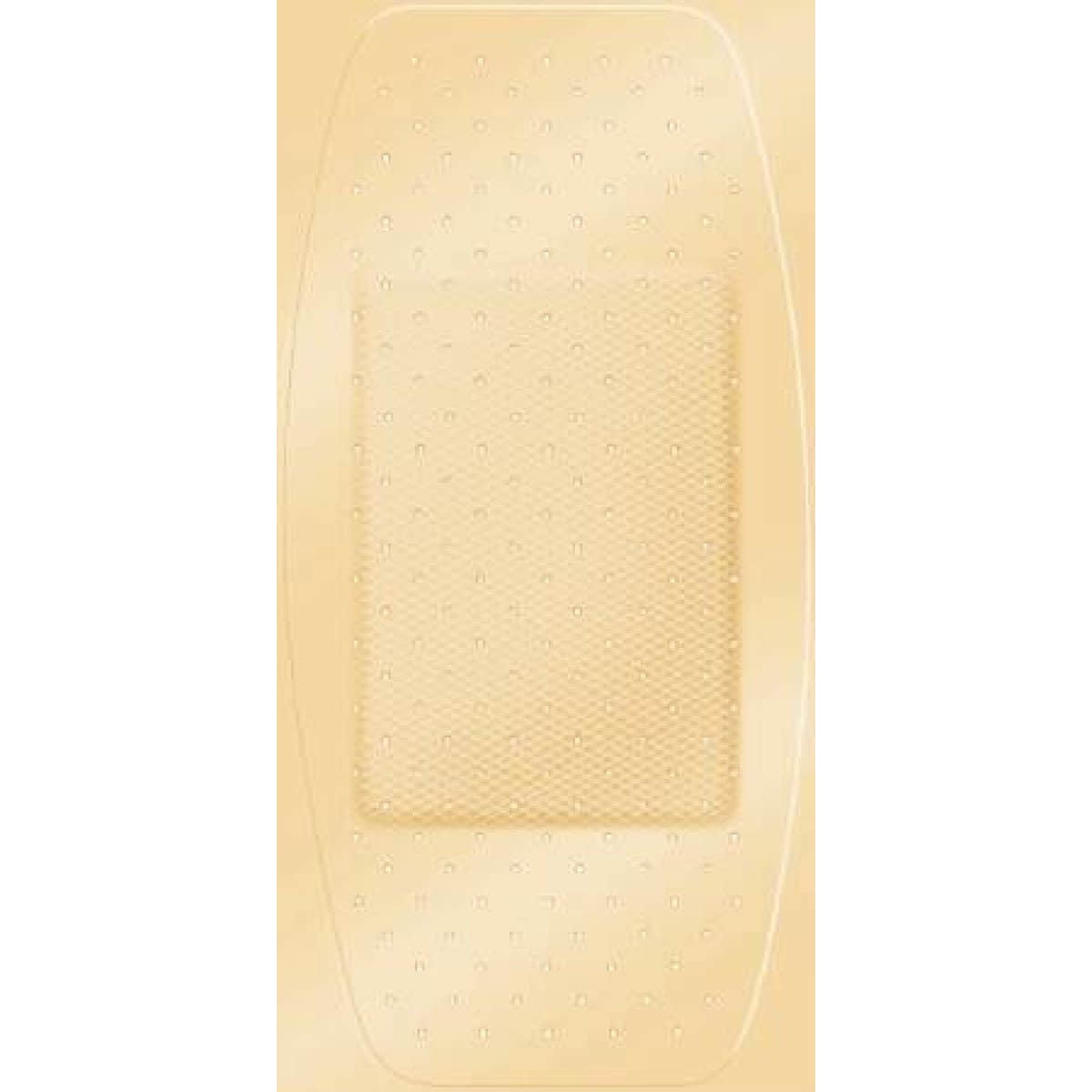
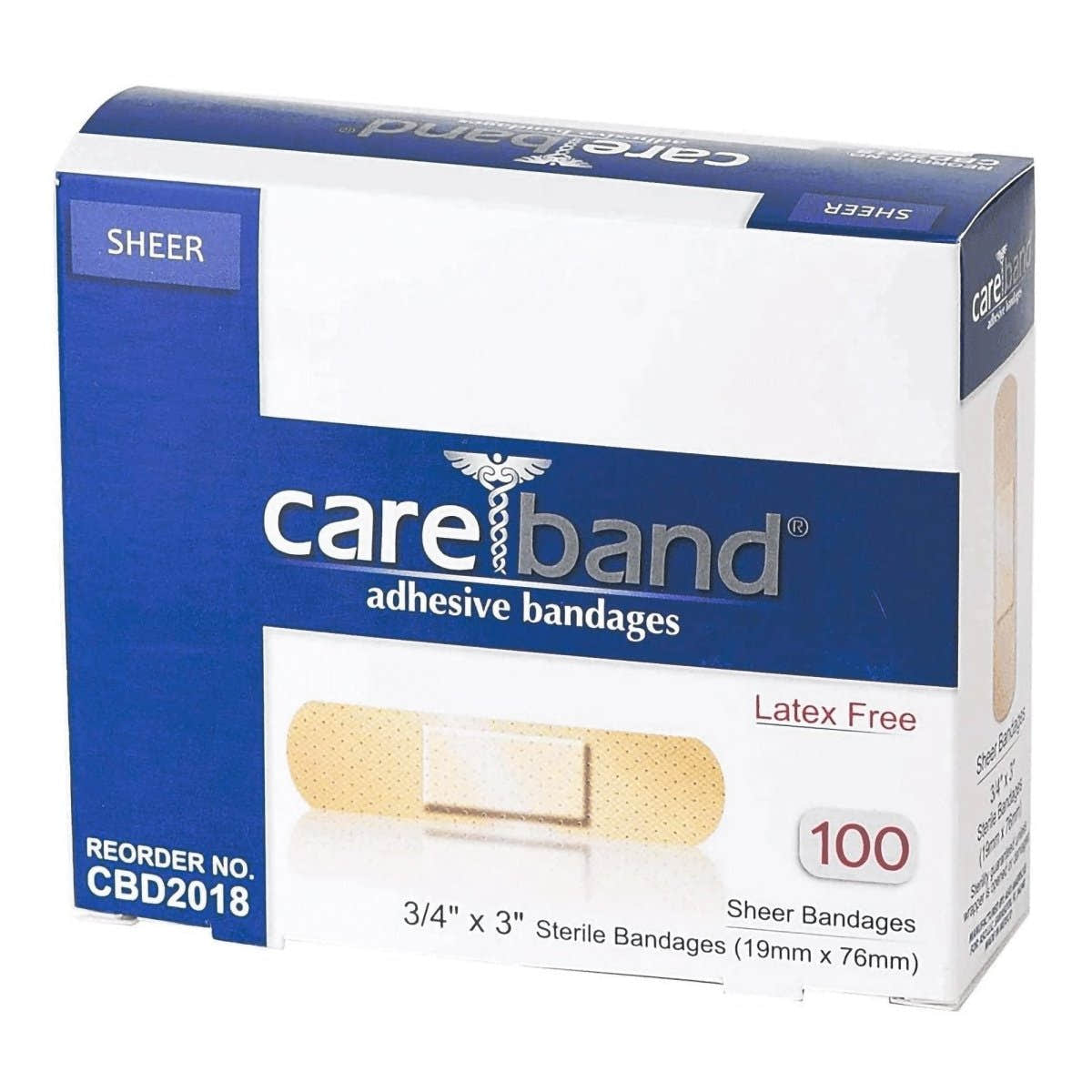
Showing 1 - 3 of 3 products
View
Careband Sheer Adhesive Strips - 329482_BX - 1
Careband Sheer Adhesive Strips
Sale priceFrom $2.99
Choose options
Careband Tan Adhesive Strips - 908169_BX - 1
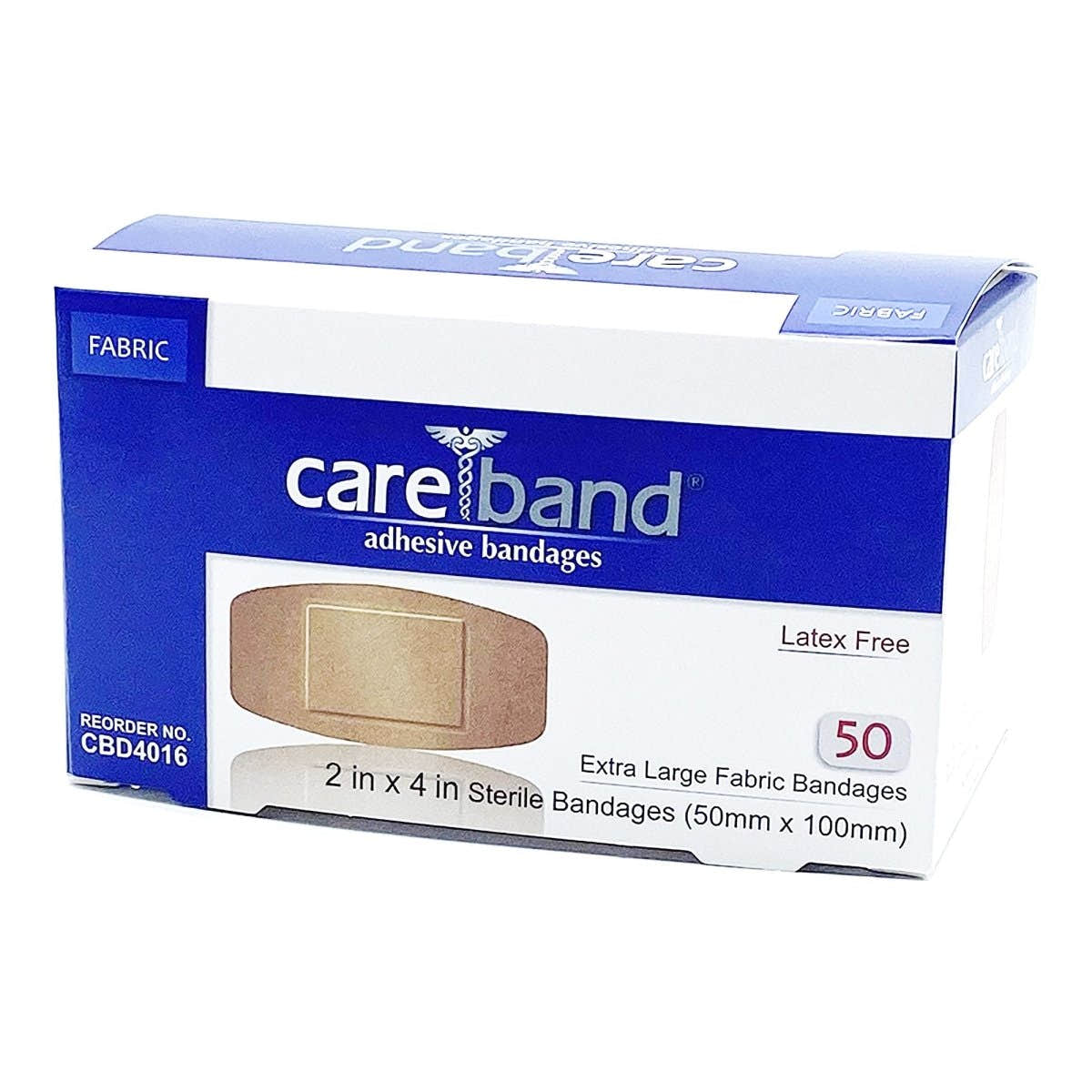
Careband Tan Fabric Adhesive Strips - 329352_BX - 1

Frequently Asked Questions about Careband

Adhesive strips are small bandages used to cover and protect minor cuts, scrapes, and abrasions from dirt and bacteria while the skin heals. Careband adhesive strips are available in sheer, tan, and fabric options to suit different skin tones, activity levels, and wound care needs.

Sheer adhesive strips are made from a thin, transparent film that blends with most skin tones, tan adhesive strips offer a beige-toned coverage for a more discreet look, and fabric adhesive strips provide added flexibility and durability for joints or high-movement areas. Choosing between them depends on your skin tone, the wound location, and how active you plan to be while wearing one.

Fabric adhesive strips are designed for people who need a more flexible, durable bandage that moves with the body, making them a better choice for covering wounds on knees, elbows, or fingers. Anyone with an active lifestyle or a wound in a high-flex area may find fabric adhesive strips more comfortable and longer-lasting than sheer alternatives.

Start by cleaning the wound thoroughly with soap and water or an antiseptic, then dry the surrounding skin completely before applying the adhesive strip. Peel back the protective tabs, center the absorbent pad directly over the wound without touching it, and press the adhesive edges firmly against the skin to create a secure seal.

Adhesive strips on minor cuts should be changed at least once daily or immediately if the bandage becomes wet, dirty, or starts to peel away from the skin. Changing adhesive strips regularly helps reduce the risk of infection and keeps the wound environment clean during healing.

Adhesive strips are generally available in a range of sizes to fit different wound types, from small fingertip cuts to larger scrapes on the arm or leg. Selecting the right size adhesive strip means the absorbent pad should fully cover the wound without the pad's edges sitting directly on broken skin.

Most adhesive strips are safe for general use, but people with sensitive skin or adhesive allergies should look for latex-free options and check the product labeling before use. If redness, itching, or irritation develops around the edges of an adhesive strip, remove it promptly and consult a healthcare provider about alternative wound care options.

Yes, buying adhesive strips in larger quantities is a cost-effective choice for households with children, caregivers, or medical offices that go through bandages regularly. Stocking a variety of adhesive strip styles, such as sheer, tan, and fabric, ensures the right option is always on hand for different wound types and situations.

Careband adhesive strips offer a comparable range of styles to major bandage brands, including sheer, tan, and fabric options that cover everyday wound care needs at a competitive price point. The key differences between adhesive strip brands typically come down to adhesive strength, material breathability, and the variety of sizes included in each package.

Adhesive strips should be stored in a cool, dry place away from direct sunlight and moisture, which can weaken the adhesive and compromise the sterility of the wound pad. Keeping adhesive strips in their original sealed packaging until use helps extend their shelf life and ensures they remain clean and ready for first aid when needed.

Recently viewed