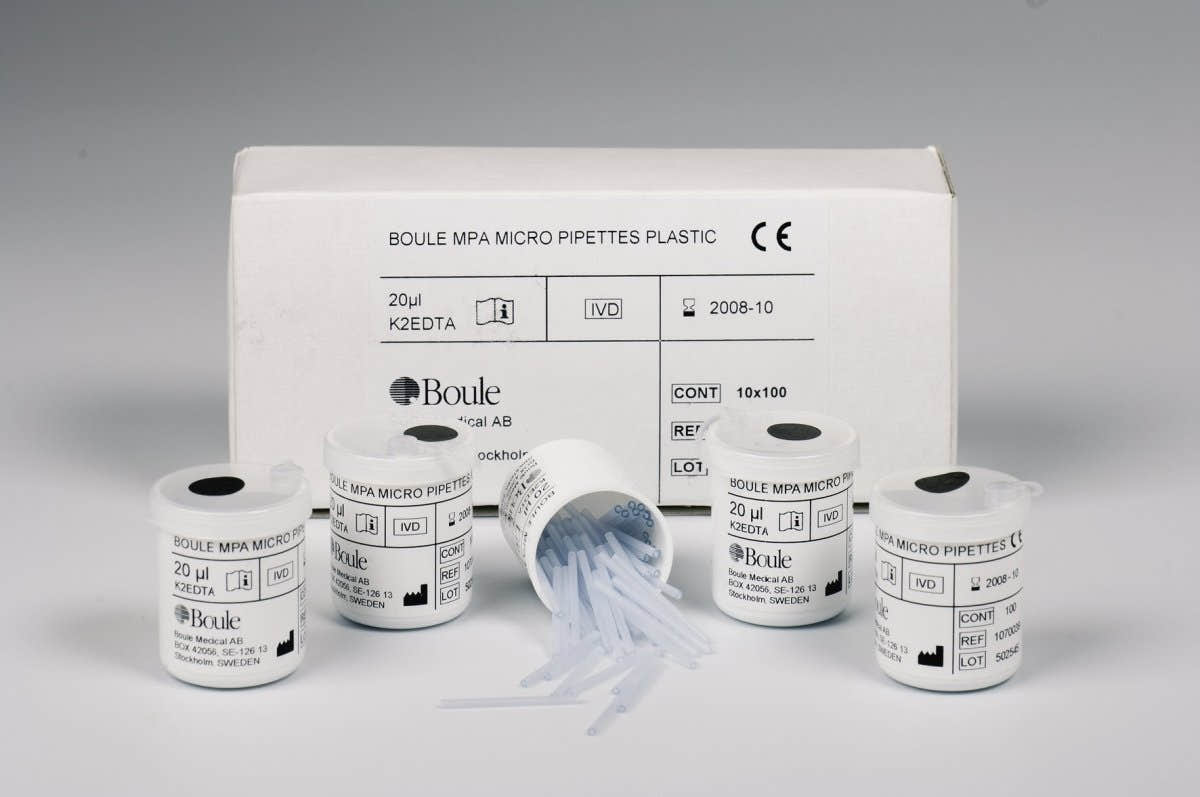
Clinical Diagnostic Solutions: Precision Instruments for Hematology Analysis
The Clinical Diagnostic Solutions collection at Cart Health brings together specialty diagnostic instruments designed for clinical laboratory environments. These products are built to support accurate, repeatable results in professional settings where precision and compatibility with specific analyzer systems matter most.
Analyzer-compatible accessories: Instruments engineered to work with specific hematology analyzer platforms, helping laboratories maintain consistency in their workflows.
Trusted vendor sourcing: Every product in this collection comes directly from Clinical Diagnostic Solutions, a vendor focused on supporting laboratory diagnostic needs.
Who This Collection Is For
This collection is intended for clinical laboratory professionals, lab managers, and procurement specialists who need reliable replacement or supplementary instruments for their diagnostic equipment. If your facility operates Medonic M Series analyzers, for example, the compatible micropipette in this collection is worth reviewing to confirm fit with your specific model.
How to Choose the Right Product
Because diagnostic instruments are often model-specific, the most important step is confirming compatibility with your existing equipment before purchasing. Review each product's listed specifications carefully and cross-reference with your analyzer's documentation. When in doubt, consult your laboratory equipment coordinator or the manufacturer's guidelines to ensure a proper match.
Frequently Asked Questions about Clinical Diagnostic Solutions
A micropipette is a precision instrument used in clinical diagnostics to measure and transfer very small, exact volumes of liquid samples or reagents during laboratory testing. Accurate liquid handling is critical in diagnostic workflows, and micropipettes help ensure consistent, reproducible results across tests.
Clinical diagnostic micropipettes are designed for laboratory technicians, medical professionals, and trained healthcare staff who perform blood analysis, sample preparation, or reagent handling in clinical or hospital lab settings. Proper training in pipetting technique is recommended to ensure accurate measurements and reliable test outcomes.
Start by selecting the correct volume range on the micropipette, then attach a compatible tip securely before aspirating your sample. Hold the micropipette vertically when drawing liquid, depress the plunger to the first stop to aspirate and the second stop to fully dispense, and always eject the tip after each use to prevent cross-contamination.
When choosing a micropipette for clinical diagnostics, look for compatibility with your specific analyzer or workflow, volume range accuracy, ergonomic design for repetitive use, and whether the model meets relevant laboratory standards. Selecting a micropipette matched to your equipment and sample volumes helps reduce pipetting errors and improves overall test reliability.
Yes, certain micropipettes are specifically designed to be compatible with hematology analyzers, ensuring precise sample volumes are delivered for accurate blood cell analysis. Always verify that the micropipette you select is rated for use with your specific analyzer model before purchasing to avoid measurement errors or equipment issues.
Yes, micropipette quality directly affects clinical test accuracy because even minor volume errors during sample preparation can skew diagnostic results. High-quality clinical diagnostic micropipettes are calibrated to tight tolerances, which helps laboratories maintain the consistency and reliability required for patient testing and regulatory compliance.
Because clinical diagnostic applications require extremely precise liquid volumes, dedicated micropipettes built to laboratory-grade standards help minimize the risk of measurement error compared to general-purpose alternatives. Using purpose-built clinical diagnostic micropipettes also supports compliance with quality control protocols common in regulated medical laboratory environments.
Store clinical diagnostic micropipettes upright in a stand or rack away from direct sunlight, extreme temperatures, and corrosive chemicals to preserve calibration and internal components. Regular calibration checks, cleaning of the barrel, and timely replacement of worn seals or tips are essential maintenance steps to keep micropipettes performing accurately over time.
No, micropipette tips used in clinical diagnostic settings should not be reused, as reusing tips risks cross-contamination between samples and can compromise test accuracy. Single-use disposable tips are the standard practice in clinical labs to maintain sample integrity and meet infection control and quality assurance requirements.
Clinical diagnostic micropipettes are calibrated and constructed to meet the tighter precision and repeatability demands of medical testing environments, whereas standard lab pipettes may not meet those same tolerances. Clinical-grade micropipettes are often designed for compatibility with specific diagnostic equipment and workflows, making them better suited for regulated healthcare laboratory settings.
Do you still have questions about Clinical Diagnostic Solutions?
If we still haven't answered your question, you can contact us by live chat or email and we will get back to you as soon as possible.