Impregnated Dressings

30 products

Showing 1 - 24 of 30 products

Shop our Impregnated Dressings for Wound Care

Impregnated dressings are an important part of wound care management. They provide a barrier to infection, help promote healing, and reduce pain and discomfort.

Showing 1 - 24 of 30 products
View
Save 88%
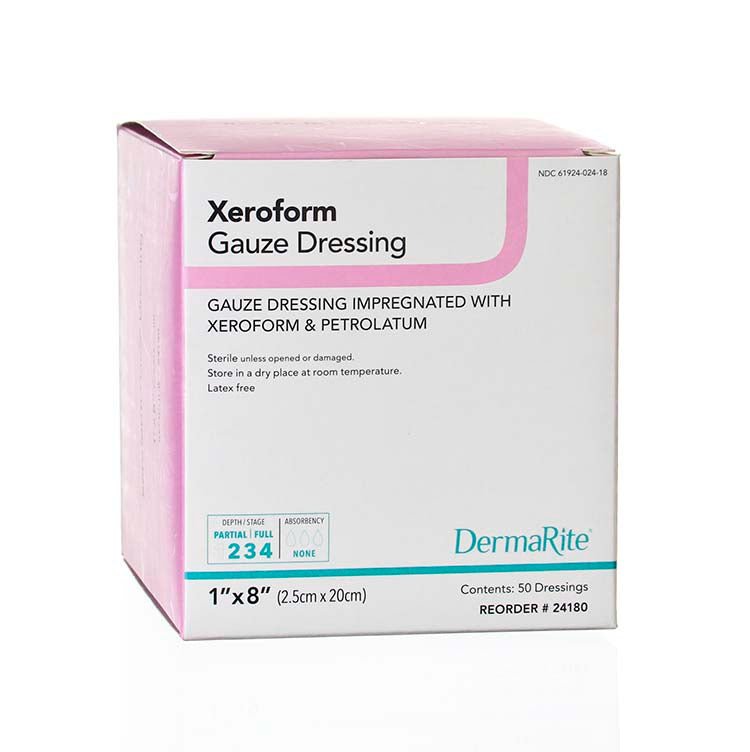
DermaRite Xeroform Gauze Impregnated Dressing, 1 x 8 Inch - 946774_BX - 1
Save 99%
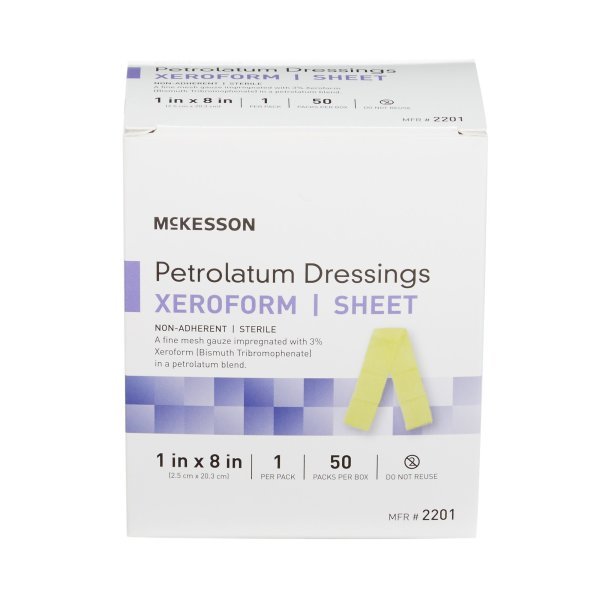
McKesson Xeroform Petrolatum Dressing - 864638_BX - 1
McKesson Xeroform Petrolatum Dressing
Sale priceFrom $1.99 Regular price$249.99
Adaptic Impregnated Dressing, 3 x 8 Inch - 684062_BX - 1
Adaptic Impregnated Dressing
Sale priceFrom $3.99
Save 67%
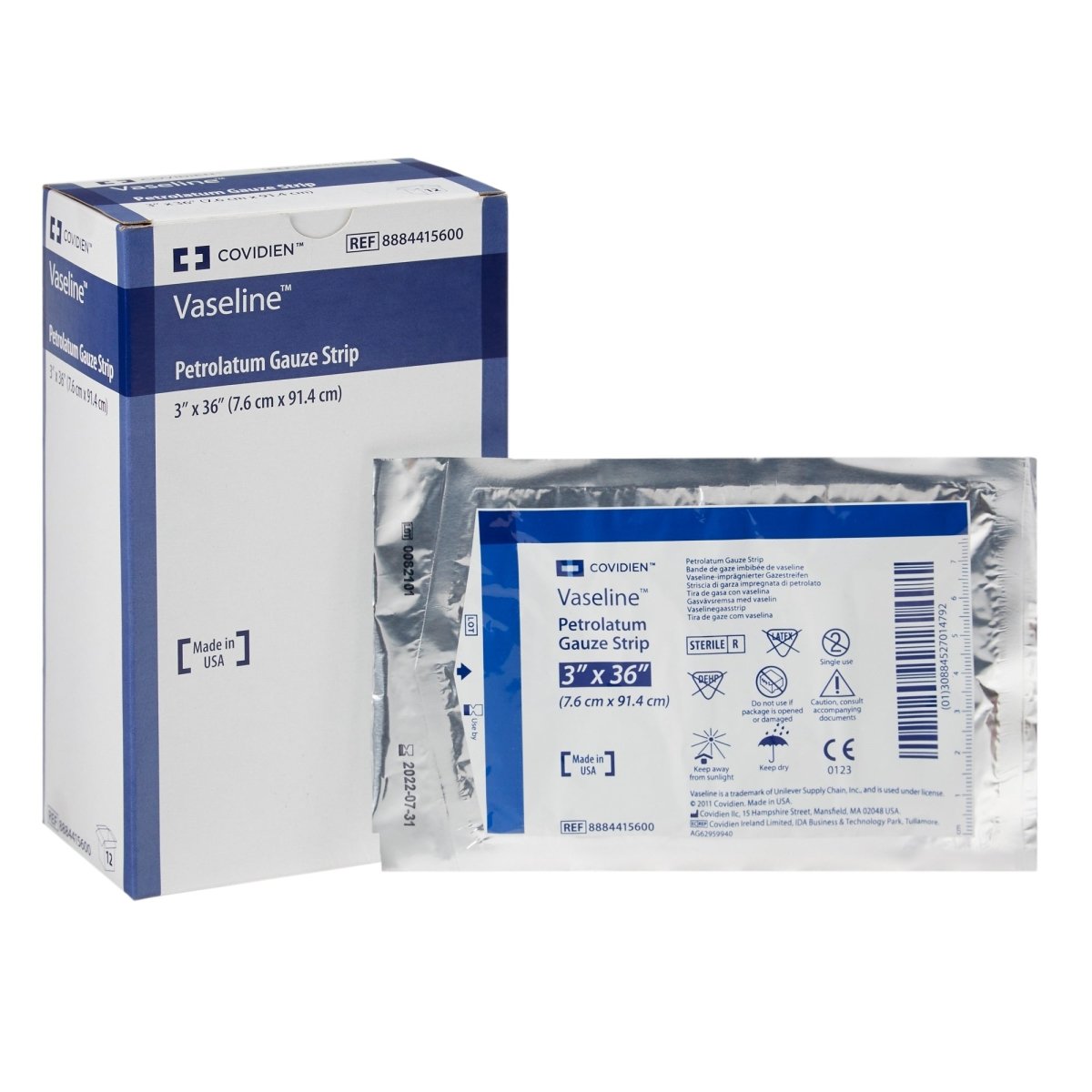
Vaseline Impregnated Dressing, 3 x 36 Inch - 46145_CS - 1
Vaseline Impregnated Dressing, 3 x 36 Inch
Sale priceFrom $2.99 Regular price$8.99
Choose options
Mesalt Impregnated Dressing - 400463_BX - 1
Mesalt Impregnated Dressing
Sale priceFrom $1.99
Choose options
Xeroform Petrolatum Impregnated Dressing, 1 x 8 Inch - 328419_BX - 1
Save 50%
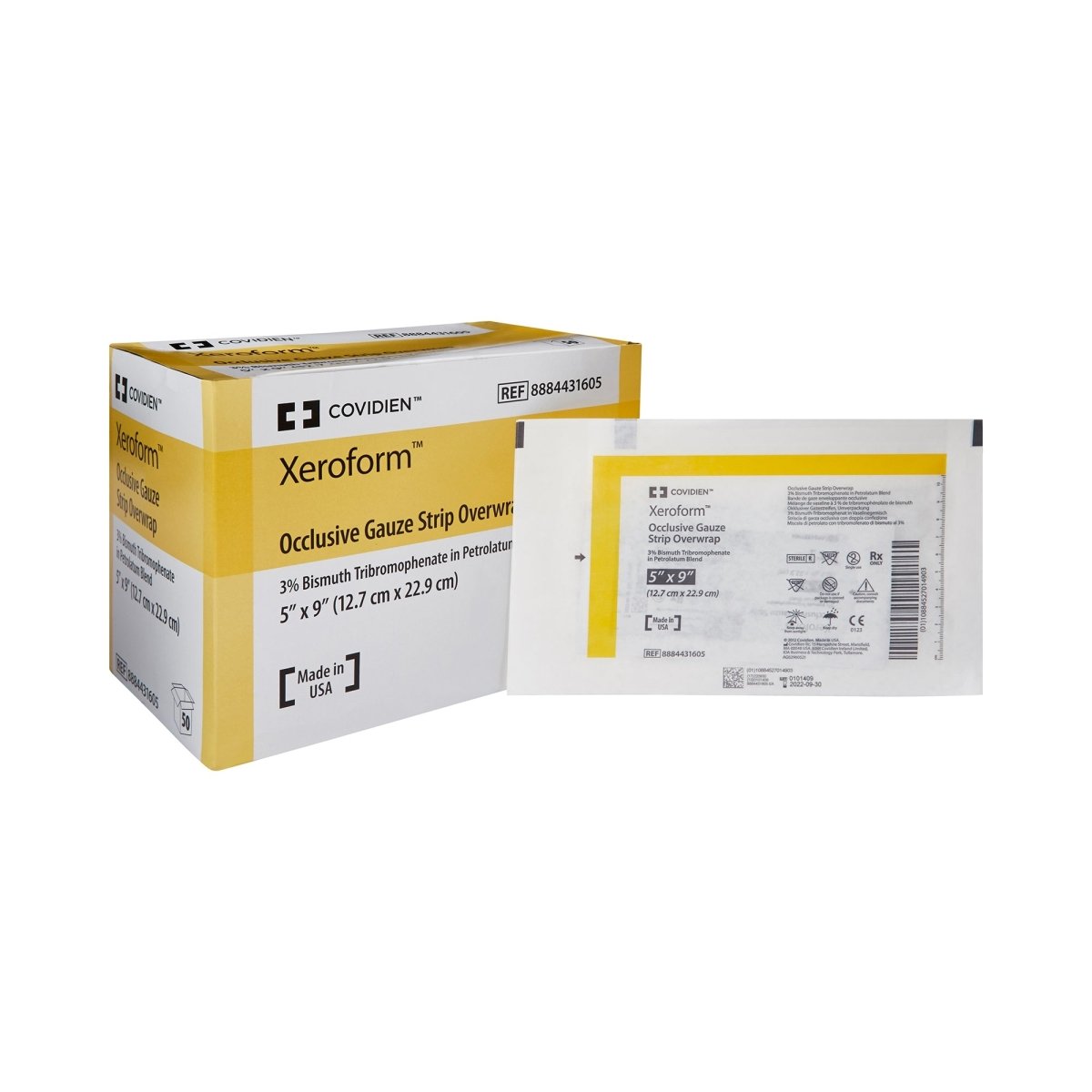
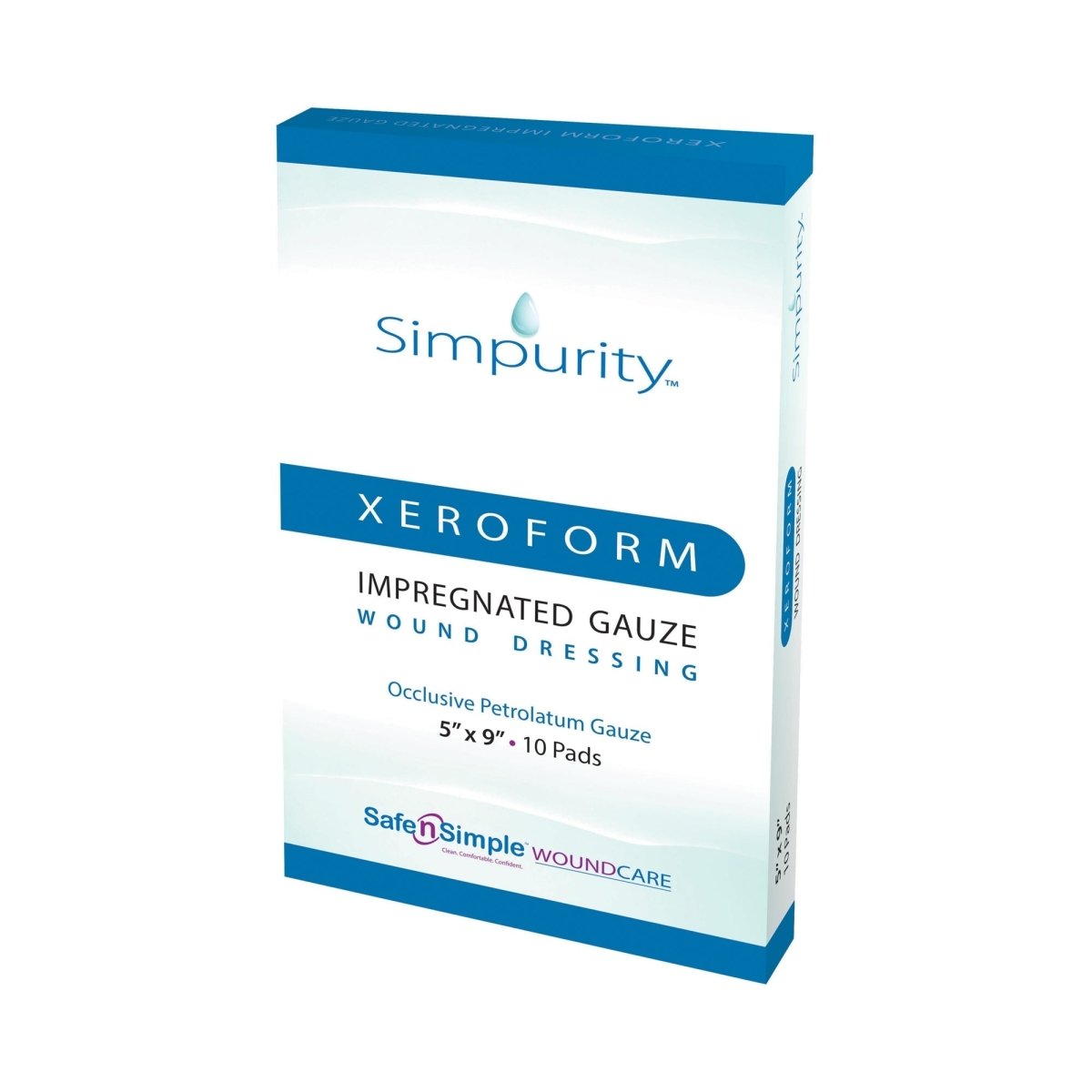
Xeroform Petrolatum Dressing, 5 x 9 inch - 32751_BX - 1
Xeroform Petrolatum Dressing, 5 x 9 inch
Sale priceFrom $4.99 Regular price$9.99
Save 75%
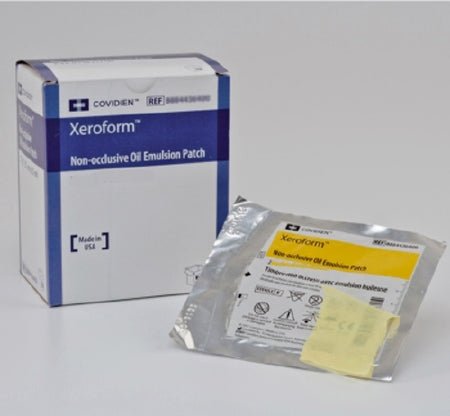
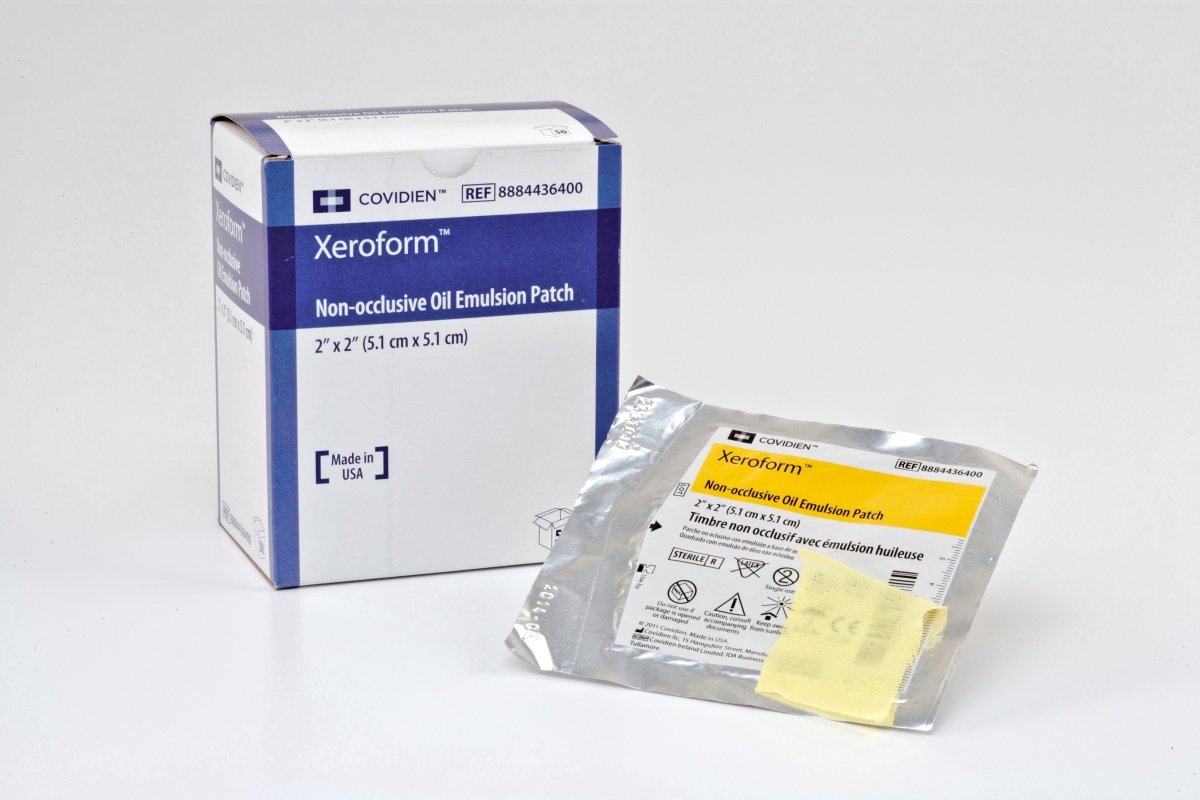
Xeroform Impregnated Dressing, 2 x 2 inch - 32750_EA - 1
Xeroform Impregnated Dressing, 2 x 2 inch
Sale priceFrom $1.99 Regular price$7.99
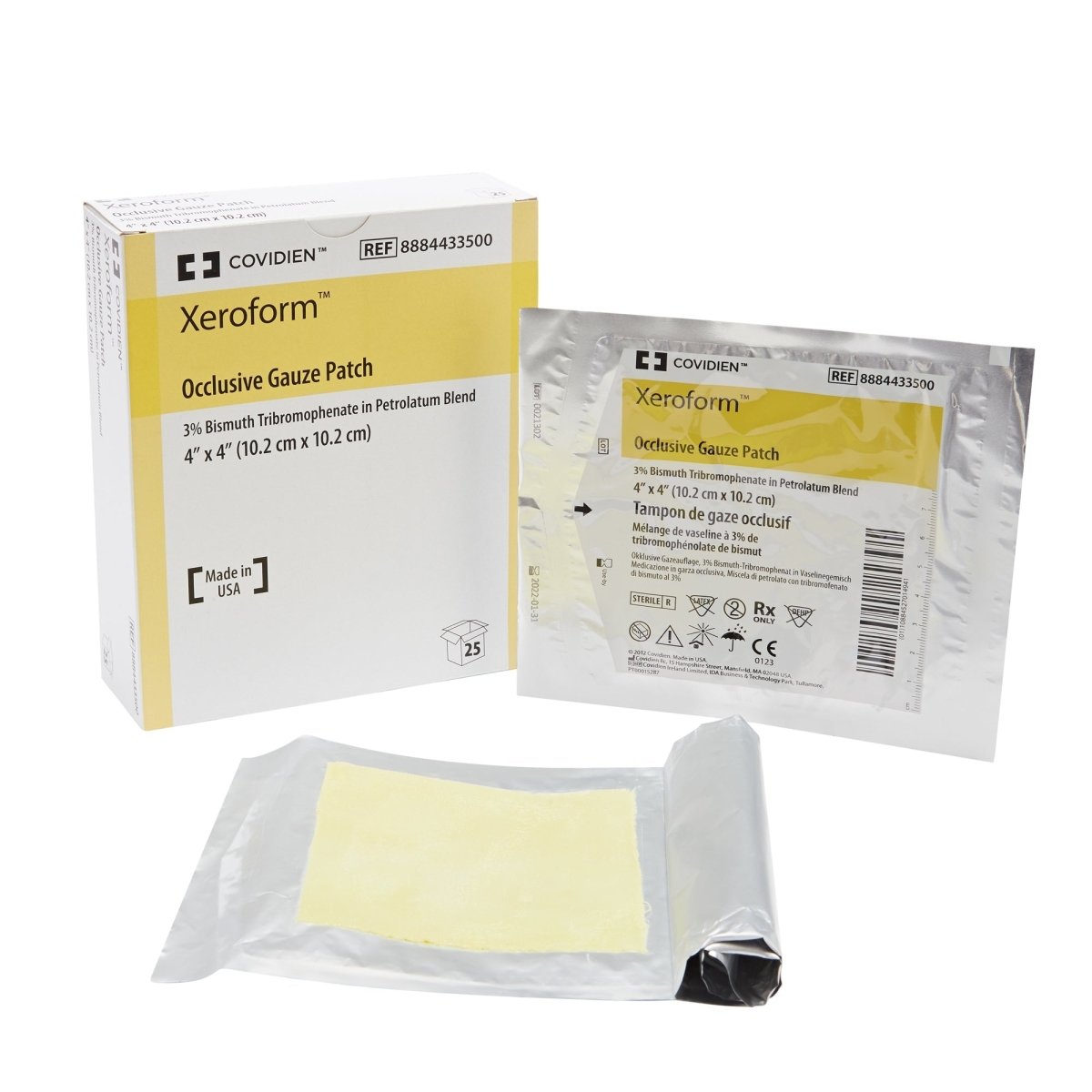
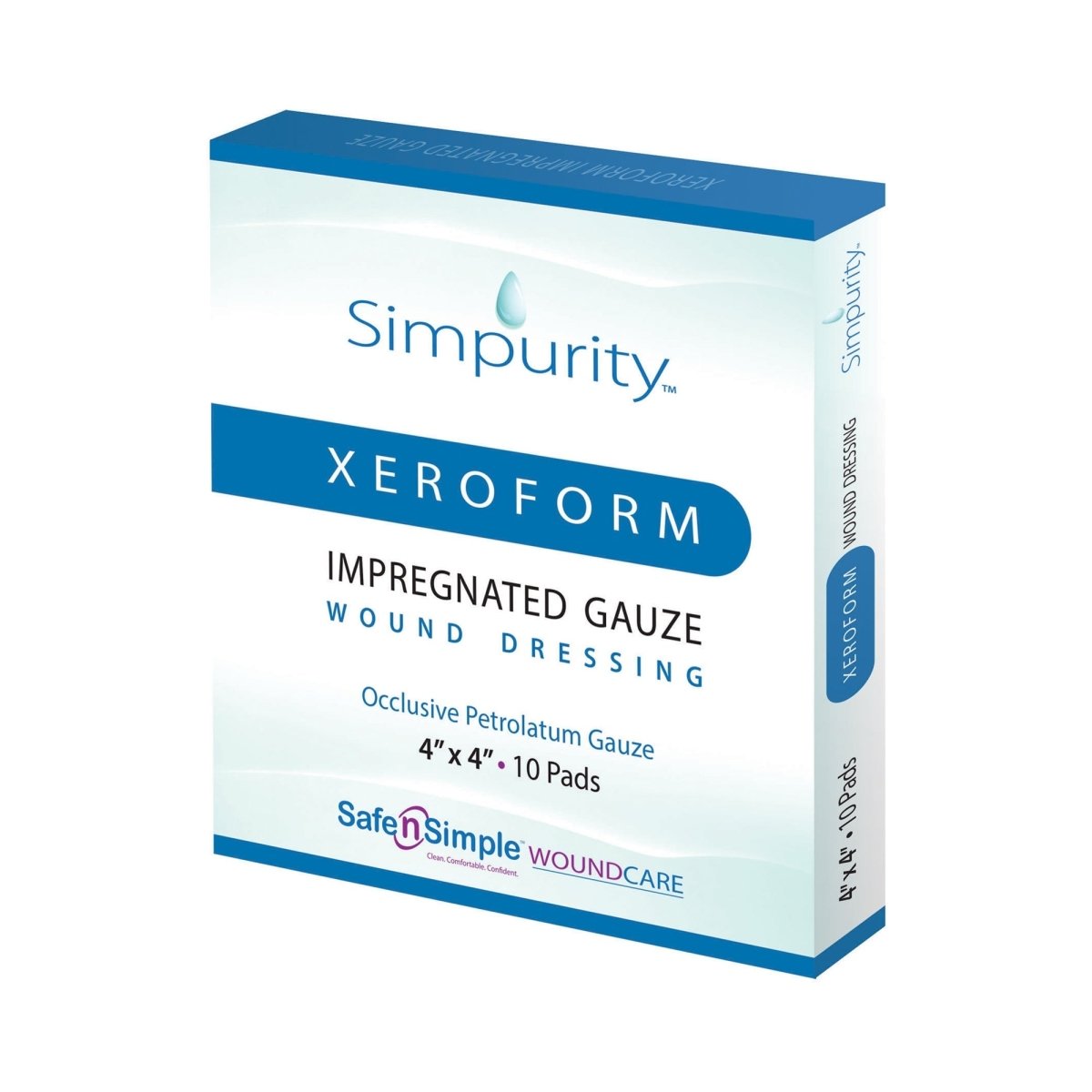
Xeroform Petrolatum Impregnated Dressing, 4 x 4 inch - 30819_BX - 1
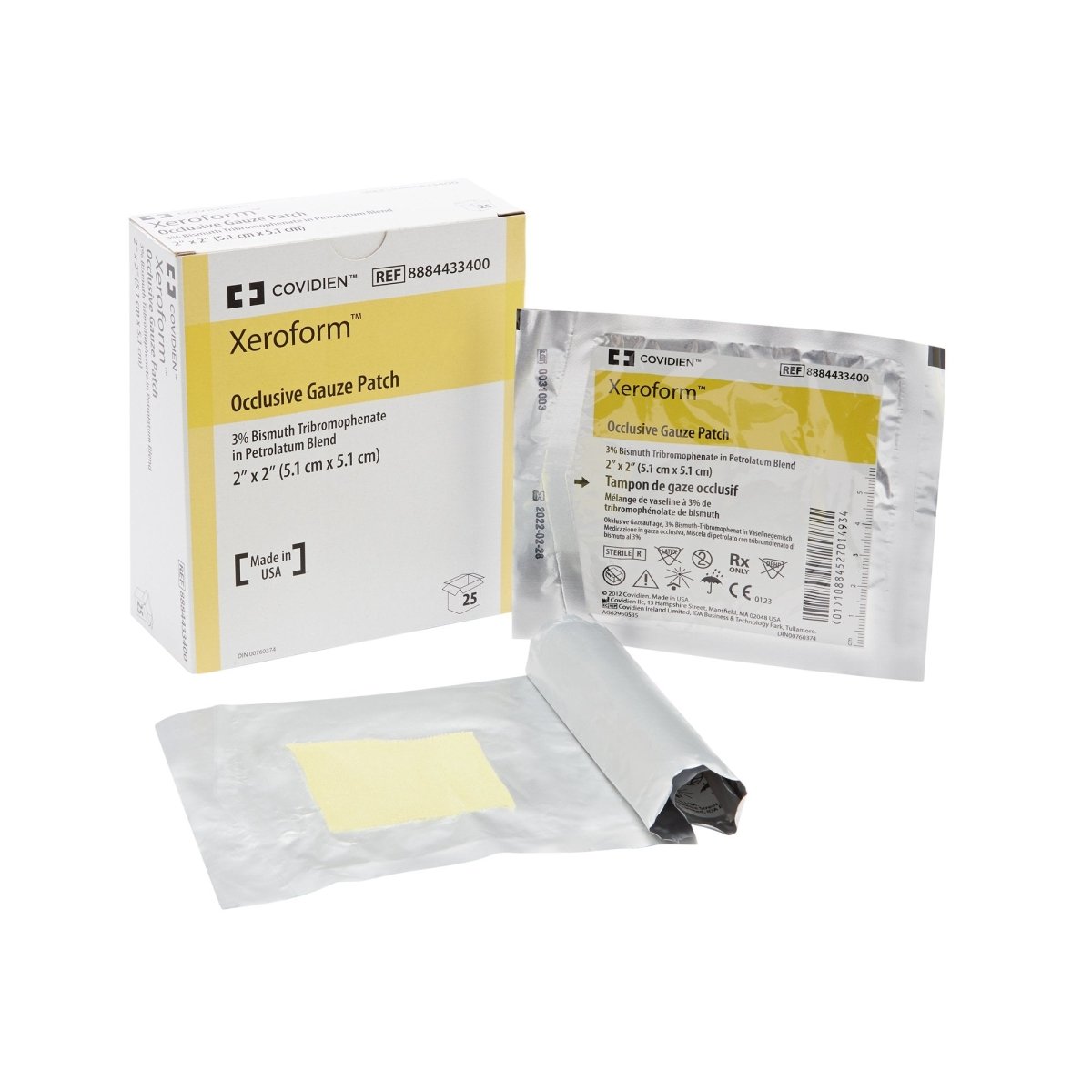
Xeroform Petrolatum Impregnated Dressing, 2 x 2 inch - 30664_BX - 1
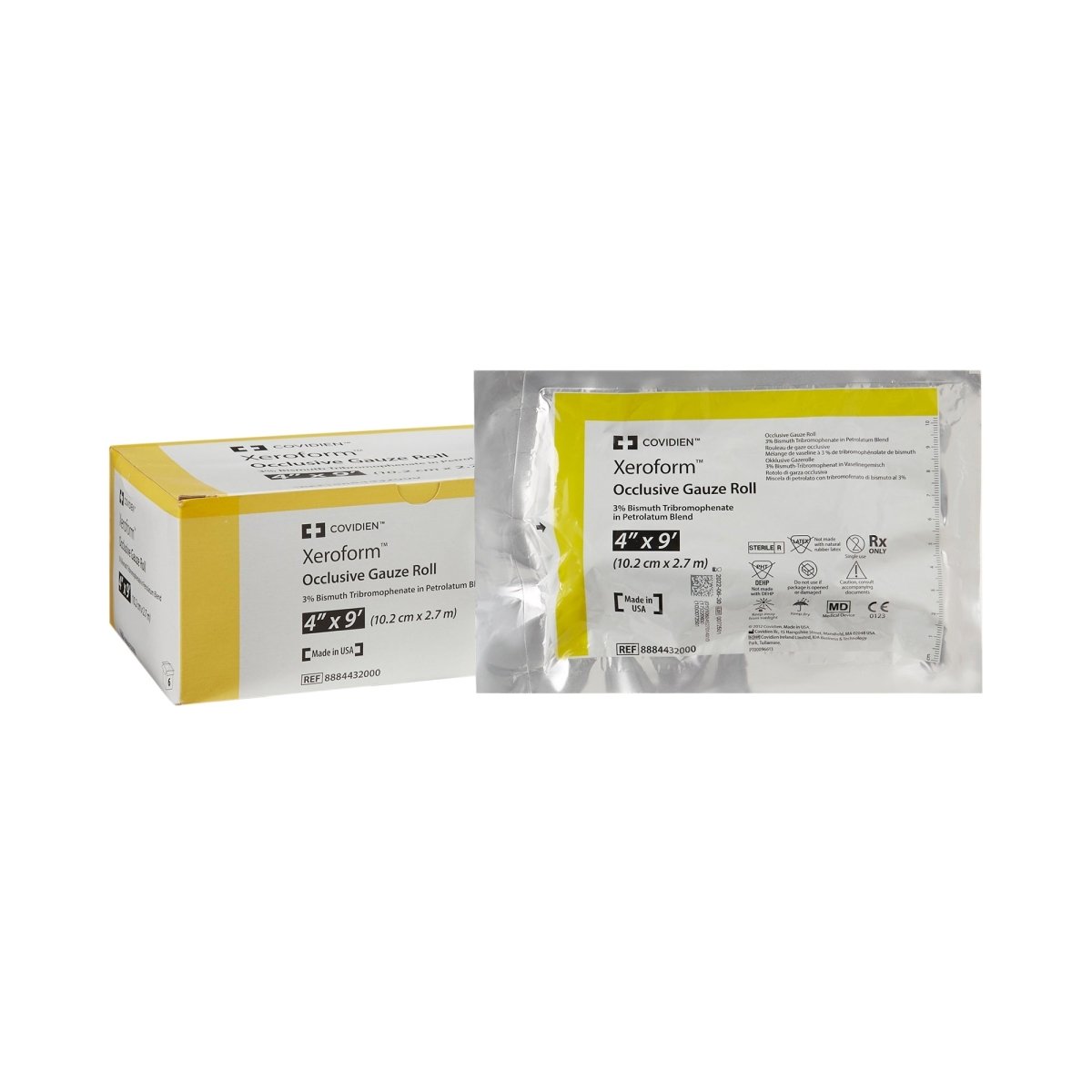
Xeroform Petrolatum Impregnated Dressing, 4 Inch x 3 Yard - 229330_BX - 1
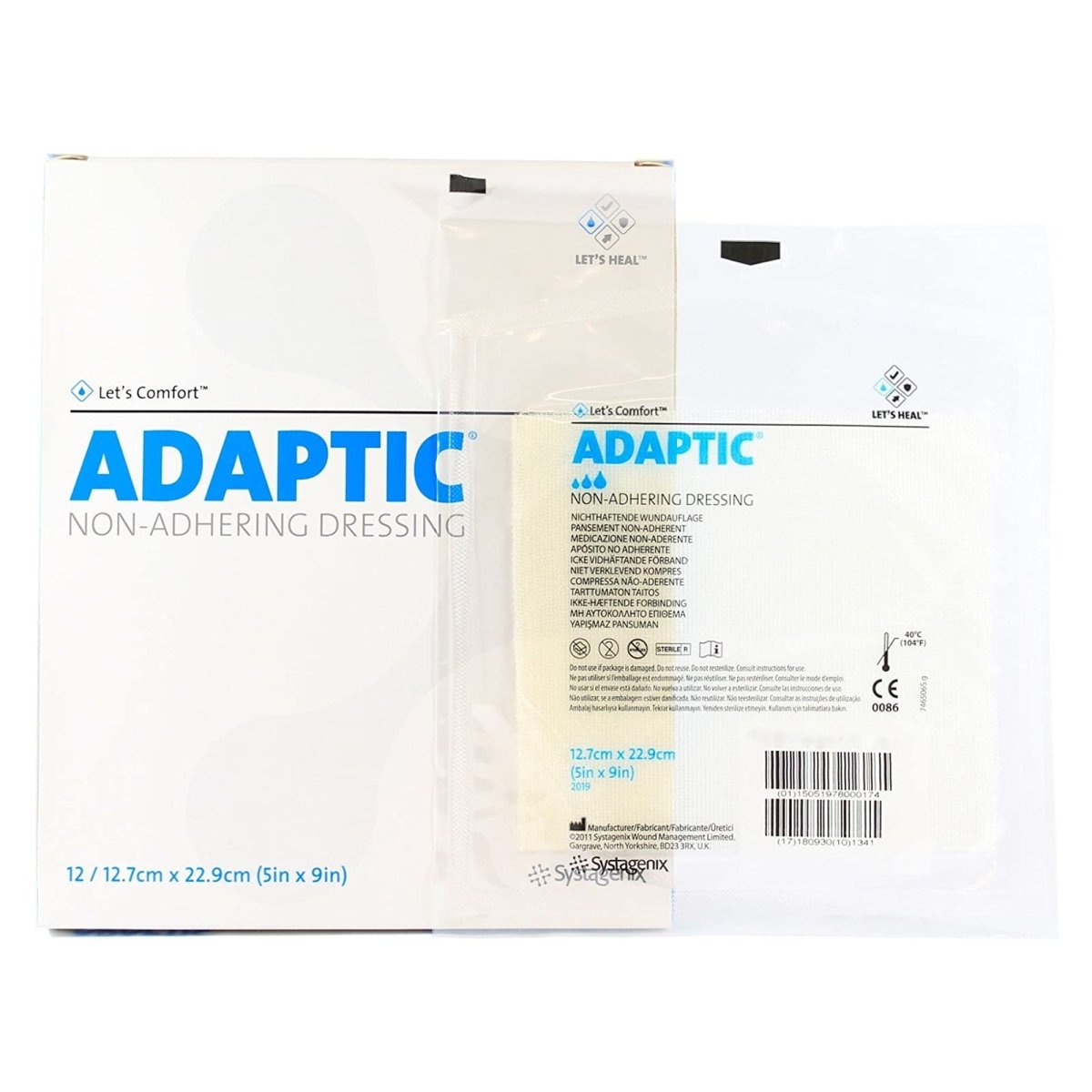
Adaptic Impregnated Nonadherent Dressing - 200647_BX - 1
Save 75%
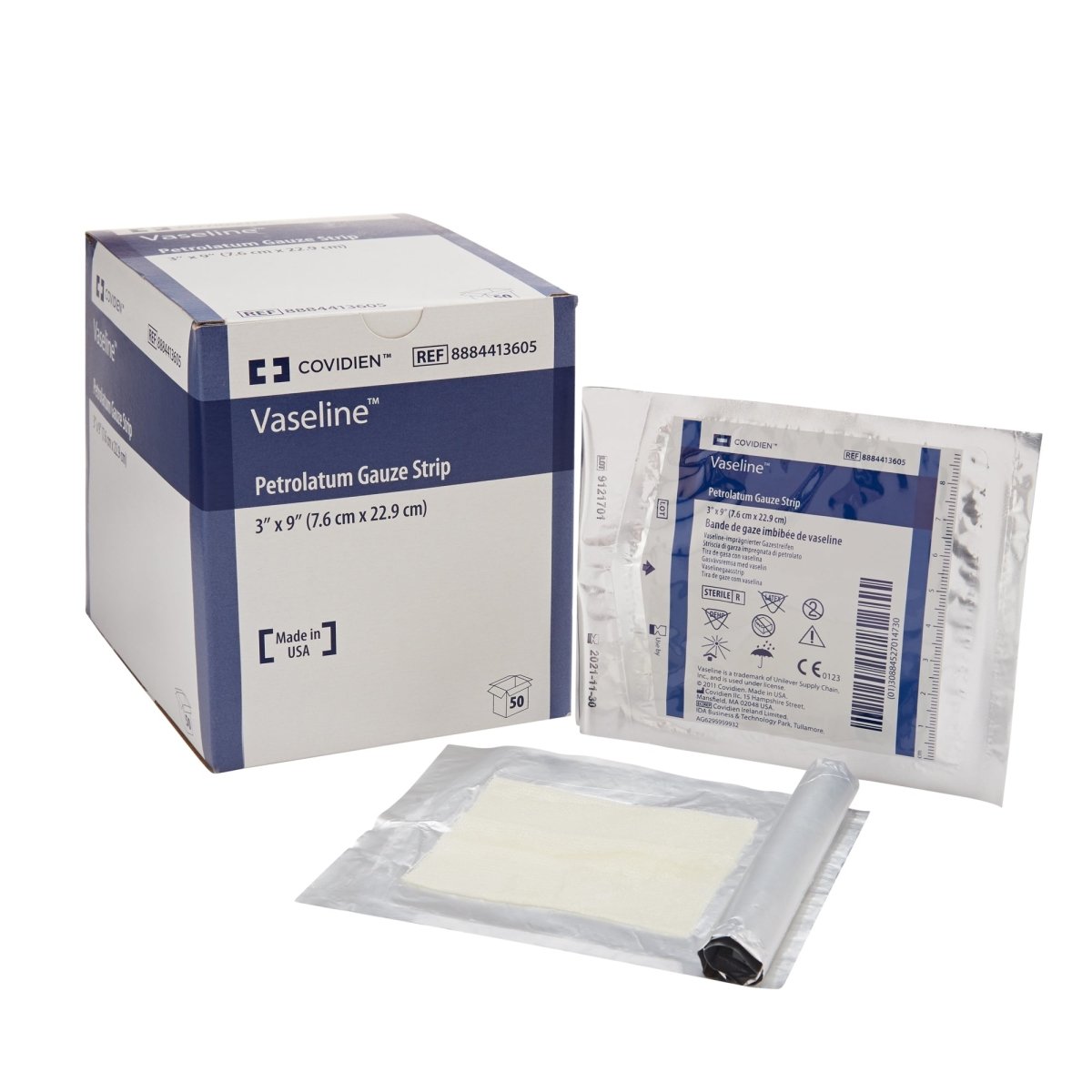
Covidien Vaseline Impregnated Dressing, 3 x 9 Inch - 163164_BX - 1
Covidien Vaseline Petrolatum Impregnated Dressing
Sale priceFrom $1.99 Regular price$7.99
Choose options

Frequently Asked Questions about Impregnated Dressings

Impregnated dressings are wound care products saturated with therapeutic agents like petrolatum, oil emulsion, or sodium chloride that protect wounds, reduce pain, and promote healing by maintaining a moist wound environment. They are commonly used on cuts, scrapes, burns, and ulcers where a non-adherent, medicated barrier is needed.

Impregnated dressings are designed for patients managing wounds that require a non-stick, moisture-retaining barrier, including those with burns, surgical wounds, skin grafts, or chronic ulcers. They are used in both clinical settings and at-home care under the guidance of a healthcare provider.

Apply an impregnated dressing by first cleaning and drying the wound area, then laying the dressing directly over the wound surface without overlapping healthy skin. Secure the dressing with a secondary cover such as gauze or tape, and change it according to your healthcare provider's instructions or when saturated.

Petrolatum impregnated dressings are gauze saturated with plain petroleum jelly to keep wounds moist and non-adherent, while xeroform petrolatum impregnated dressings also contain bismuth tribromophenate, which adds mild antimicrobial properties. The choice between the two depends on the wound type and whether antimicrobial support is needed.

Impregnated dressings are available in a wide range of sizes to fit different wound types, from small 1 x 8 inch strips to larger 6 x 36 inch sheets, as well as roll formats for covering irregular or larger wound areas. Selecting the right size ensures full wound coverage without excessive overlap on surrounding skin.

Yes, impregnated dressings are specifically designed for use on open wounds and are formulated to be non-adherent, reducing trauma and pain during dressing changes. Products like petrolatum and oil emulsion impregnated dressings are widely used in clinical wound care and are considered safe when applied as directed by a healthcare professional.

Impregnated dressings outperform standard dry gauze on wounds that need moisture retention or non-stick contact, because dry gauze can adhere to the wound bed and cause pain or damage when removed. Impregnated dressings provide a therapeutic layer that protects the wound surface while still allowing a secondary dressing to absorb exudate.

Because sodium chloride impregnated dressings are designed to help debride and cleanse wounds with moderate to heavy exudate, while petrolatum impregnated dressings are used to maintain moisture and protect wounds with low exudate. Choosing between them depends on the wound's drainage level and the stage of healing.

Impregnated dressings should be stored in a cool, dry place away from direct sunlight and extreme temperatures, and kept in their original sealed packaging until ready to use. Opened or compromised packaging can allow the dressing to dry out or become contaminated, reducing its effectiveness and safety.

Yes, purchasing impregnated dressings in larger quantities or multi-pack formats typically offers a lower per-unit cost, making bulk buying a practical choice for caregivers, clinics, or patients managing chronic wounds that require frequent dressing changes. Having an adequate supply on hand also ensures consistent wound care without interruption.

Recently viewed