IntelliSense Blood Pressure Monitors and Accessories
The IntelliSense collection at Cart Health brings together monitoring equipment and support accessories from a brand focused on accuracy and ease of use. Whether you're a healthcare professional setting up a clinical workspace or someone supporting at-home health routines, IntelliSense products are designed to fit naturally into everyday care environments.
Blood pressure monitoring equipment: IntelliSense offers monitors built for reliable, consistent readings in both professional and home settings.
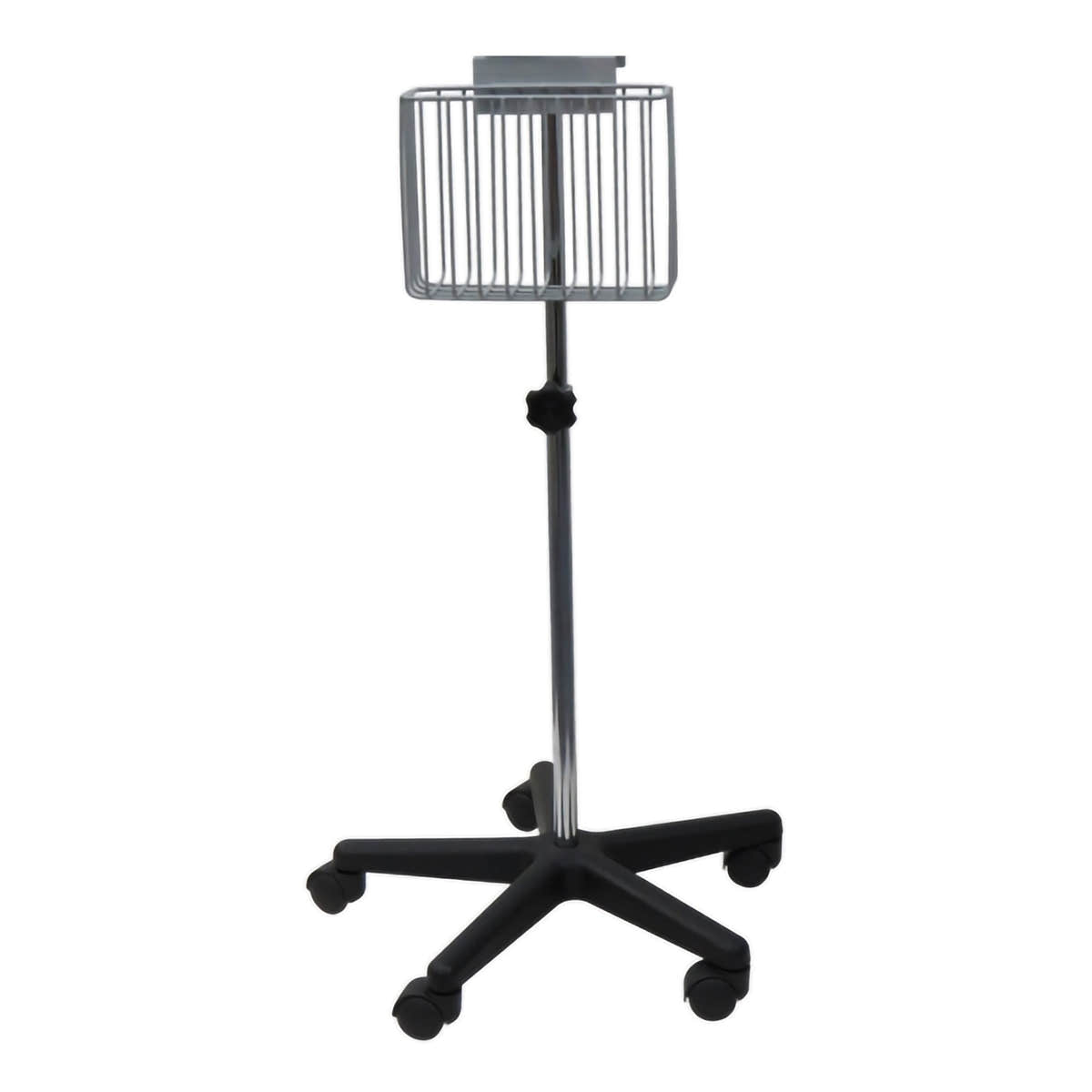
Purpose-built storage and organization: Products like the IntelliSense Blood Pressure Monitor Cart are designed to keep monitoring equipment organized, accessible, and ready to use.
Thoughtful design: IntelliSense products emphasize straightforward operation, making them practical for a wide range of users and environments.
Cohesive ecosystem: Monitors and accessories are designed to complement one another, so your setup stays tidy and functional.
Choosing the Right IntelliSense Product
Start by thinking about your setting. A clinical or shared-use environment may benefit from dedicated storage solutions — the IntelliSense Blood Pressure Monitor Cart is a practical example of how organization and accessibility can work together in one unit. For personal or home use, consider how often the equipment will be used and where it will be stored between sessions.
If you're unsure which products best fit your specific needs, consulting a qualified healthcare professional is always a good step before making decisions related to health monitoring equipment.
About IntelliSense
IntelliSense is a dedicated brand within the Cart Health catalog, focused on blood pressure monitoring and the accessories that support it. Their products reflect a commitment to practical, user-friendly design — making health monitoring equipment more manageable for the people who rely on it every day.
Frequently Asked Questions about Intellisense
An IntelliSense blood pressure monitor is a home medical device that automatically measures systolic and diastolic blood pressure along with pulse rate. IntelliSense monitors use sensor technology to detect the optimal inflation level for each user, making readings more comfortable and accurate than traditional fixed-inflation monitors.
IntelliSense blood pressure monitors are designed for adults who need to track their blood pressure at home, including people managing hypertension, heart conditions, or other cardiovascular health concerns. These monitors are also a practical choice for caregivers monitoring a family member's blood pressure between doctor visits.
Start by sitting quietly for five minutes, then wrap the cuff around your upper arm at heart level before pressing the start button. Avoid talking or moving during the reading, and take measurements at the same time each day for the most consistent results with your blood pressure monitor.
A properly fitting blood pressure monitor cuff should wrap snugly around the upper arm with enough room to slide two fingers underneath. Using a cuff that is too small or too large is one of the most common causes of inaccurate blood pressure readings, so always check the arm circumference range listed for each monitor.
Yes, a clinically validated home blood pressure monitor can produce readings that are accurate enough to be clinically meaningful when used correctly. Most healthcare providers encourage home monitoring as a complement to office visits, since home readings can reveal patterns like white-coat hypertension that clinic measurements may miss.
Many IntelliSense blood pressure monitors include memory storage that saves previous readings so users can track trends over time. The number of stored readings varies by model, so check the product specifications to confirm memory capacity before purchasing if tracking history is important to you.
Blood pressure naturally fluctuates throughout the day based on activity, stress, caffeine intake, and body position, which is why consecutive blood pressure monitor readings can differ. For the most reliable results, take readings at the same time each day, remain seated and still, and avoid caffeine or exercise for at least 30 minutes beforehand.
Upper arm blood pressure monitors measure pressure at the brachial artery and are generally considered the clinical gold standard, while wrist blood pressure monitors measure at the radial artery and are more portable but more sensitive to positioning errors. Most healthcare providers recommend upper arm monitors for home use when accuracy is the primary concern.
Yes, many modern blood pressure monitors include an irregular heartbeat detection feature that flags readings taken during arrhythmias. However, people with chronic arrhythmias like atrial fibrillation should consult their doctor about which blood pressure monitor type is appropriate, since irregular rhythms can affect measurement accuracy on some devices.
Store a blood pressure monitor in a cool, dry location away from direct sunlight and extreme temperatures, and keep the cuff loosely coiled to prevent tubing damage. Wipe the cuff with a lightly damp cloth as needed, replace batteries when the low-battery indicator appears, and follow the manufacturer's calibration schedule to maintain reading accuracy.
Do you still have questions about Intellisense?
If we still haven't answered your question, you can contact us by live chat or email and we will get back to you as soon as possible.