Leg Bags

6 products

Showing 1 - 6 of 6 products

Leg Bags: Discreet, Wearable Urinary Collection Solutions

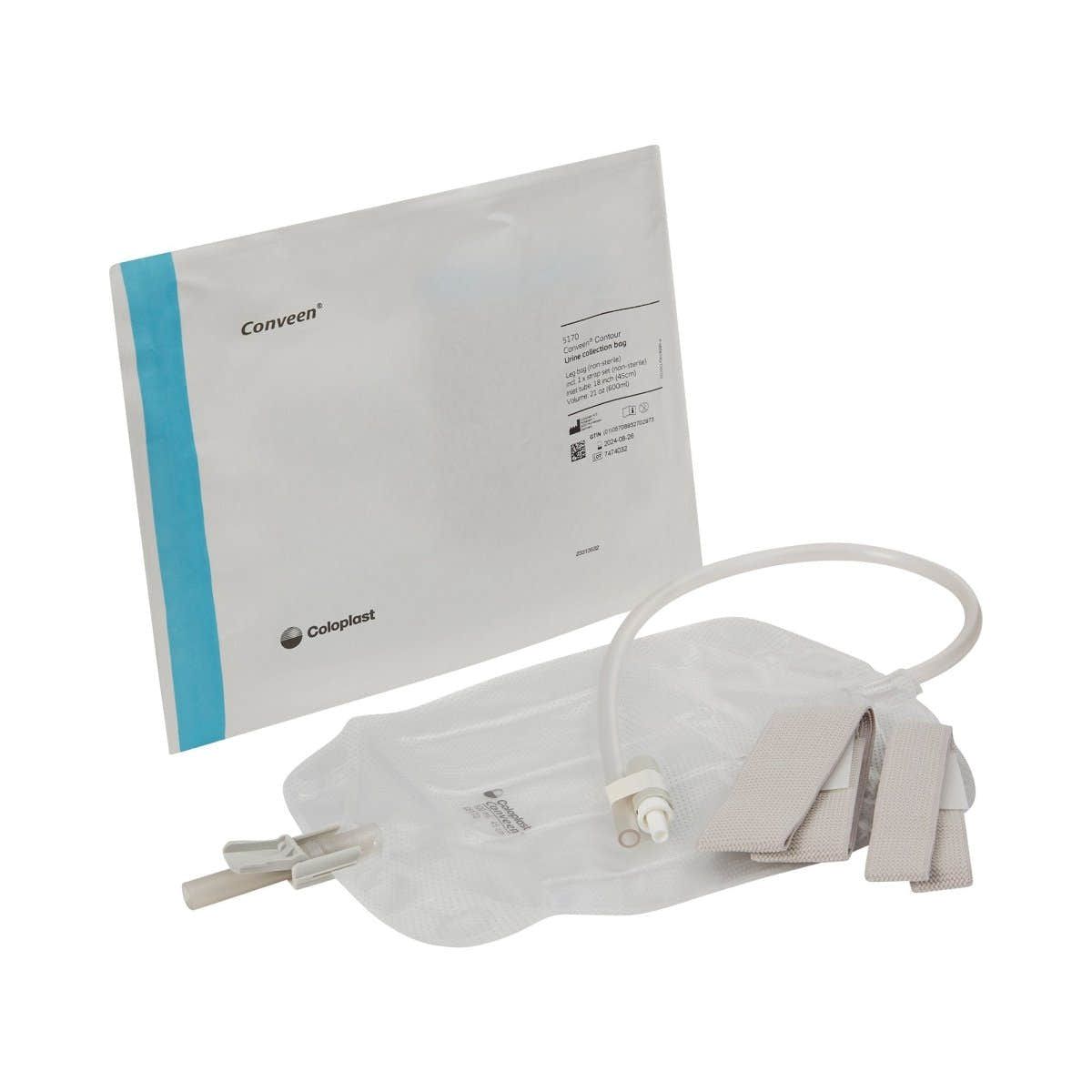
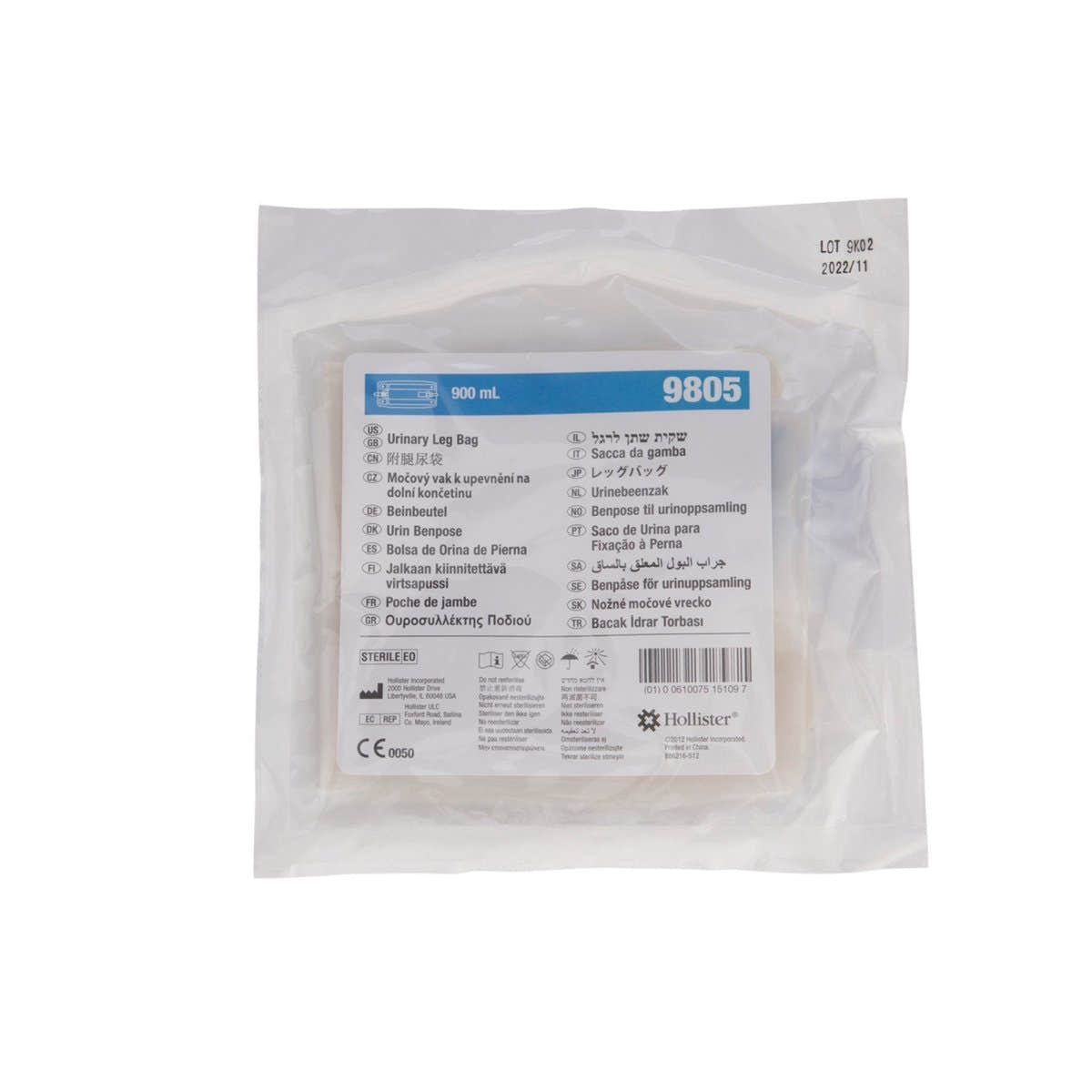
Leg bags are designed to be worn directly on the leg, offering a discreet and practical option for urinary drainage management during daily activities. Whether someone is looking for a complete kit, a replacement bag, or a securing strap, this collection brings together trusted options from leading brands like Hollister and Conveen to help find the right fit for their routine.
Showing 1 - 6 of 6 products
View
Conveen Contour Leg Bag - 551101_BX - 1
Conveen Contour Leg Bag
Sale price$98.99
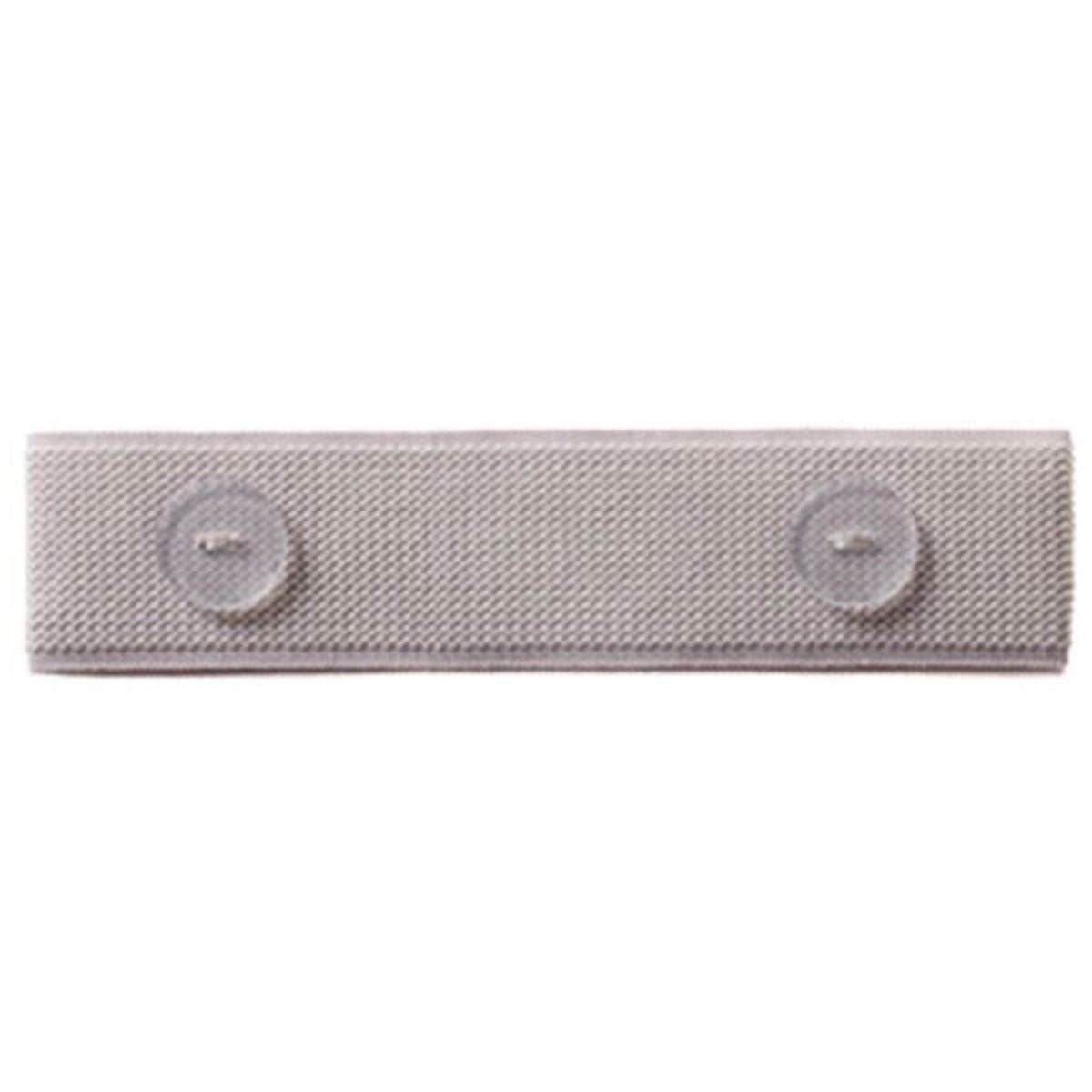
Conveen Leg Bag Strap - 187445_BX - 1
Conveen Leg Bag Strap
Sale priceFrom $4.99
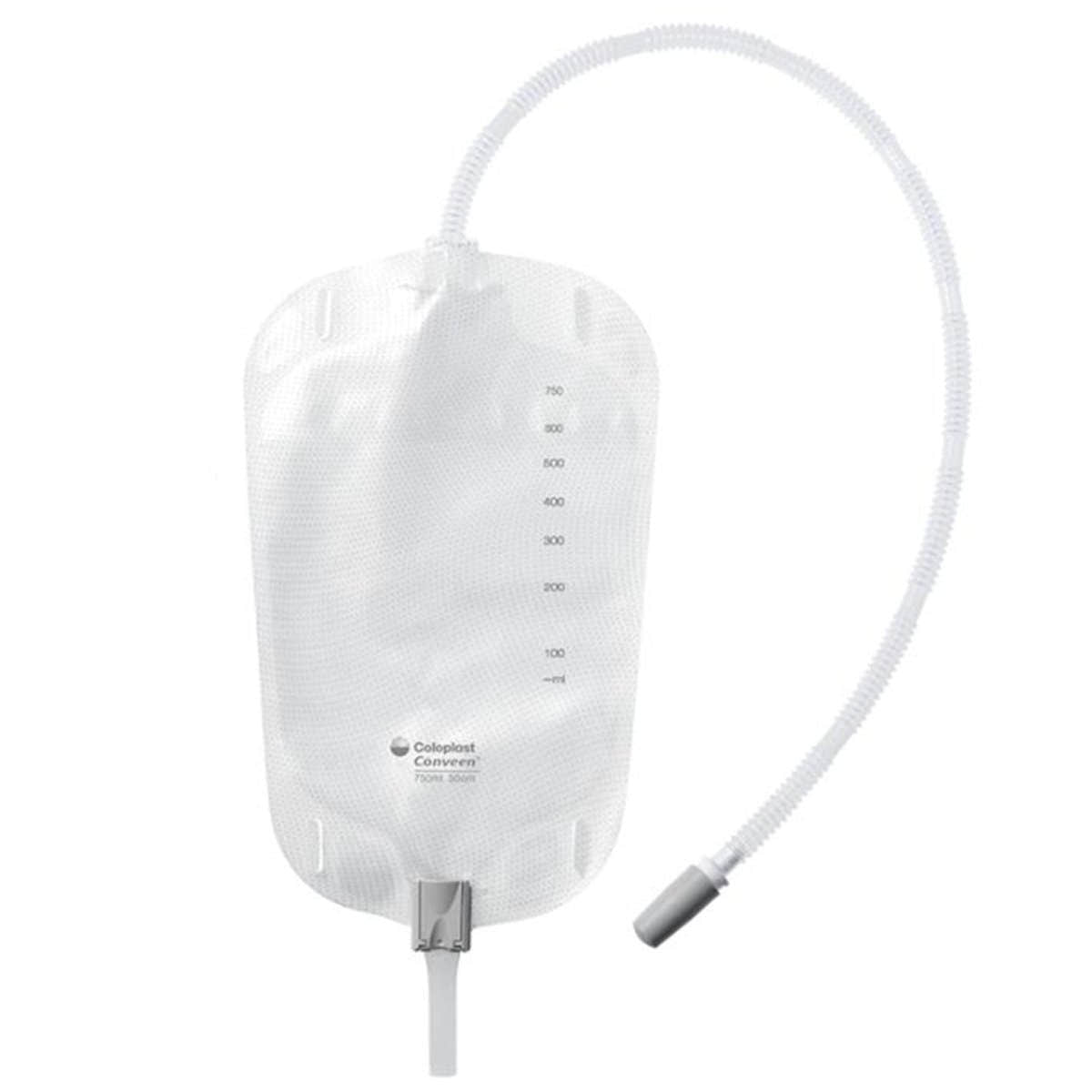
Choose options
Conveen Security+ Urinary Leg Bag - 913657_BX - 1
Conveen Security+ Urinary Leg Bag
Sale priceFrom $7.99
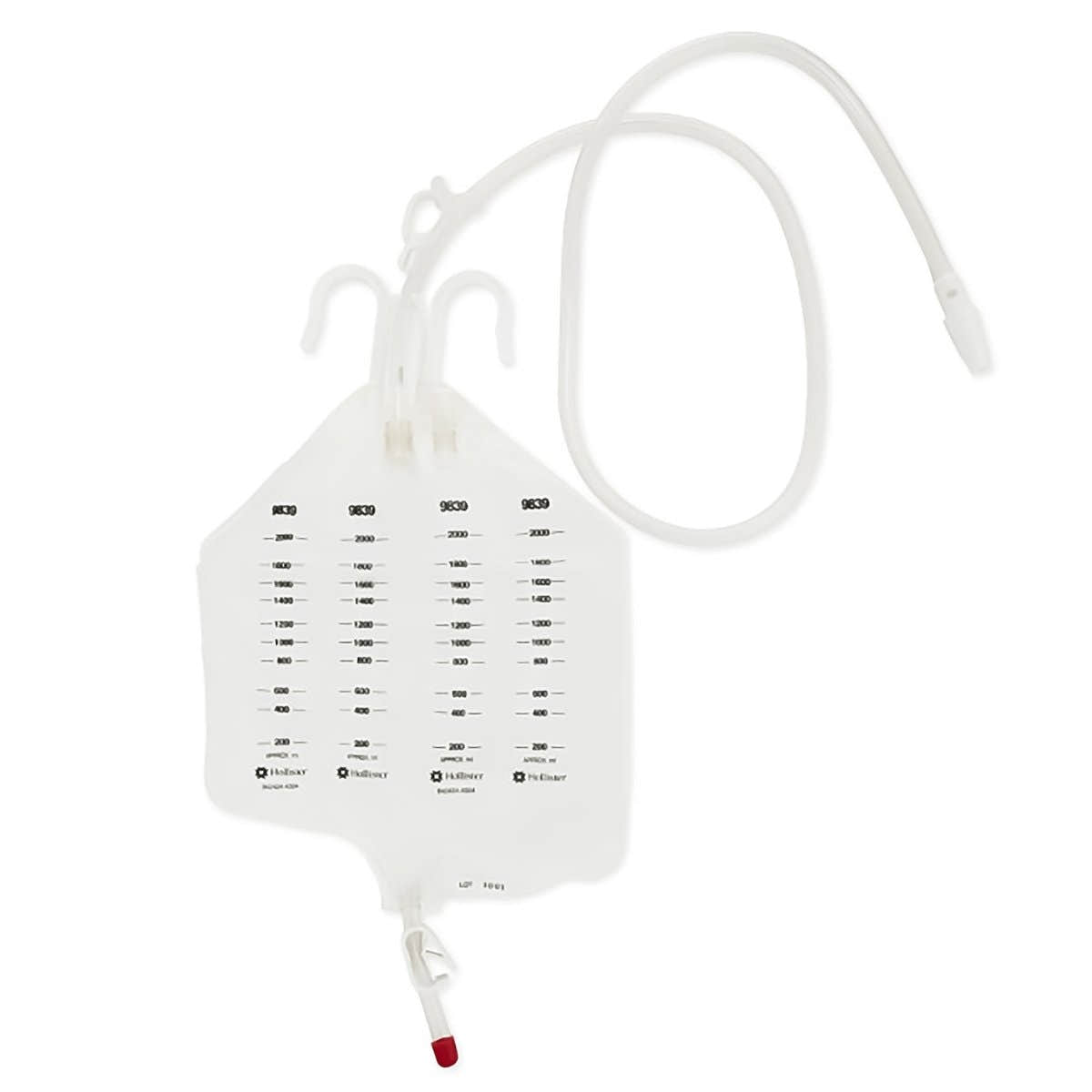
Choose options
Hollister Urinary Drain Leg Bag - 286951_BX - 1
Hollister Urinary Drain Leg Bag
Sale priceFrom $5.99
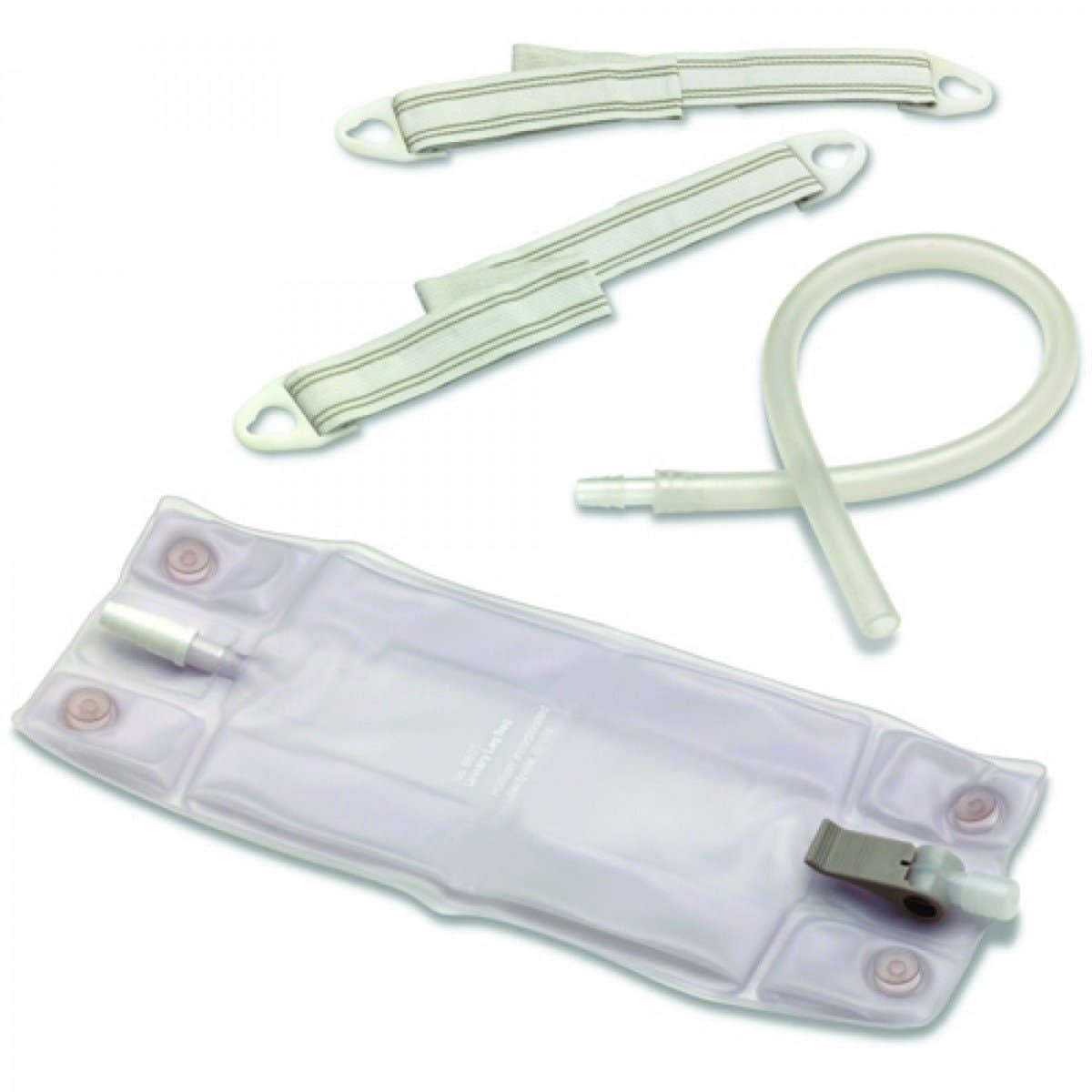
Choose options
Urinary Leg Bag Kit - 276175_BX - 1
Urinary Leg Bag Kit
Sale priceFrom $14.99
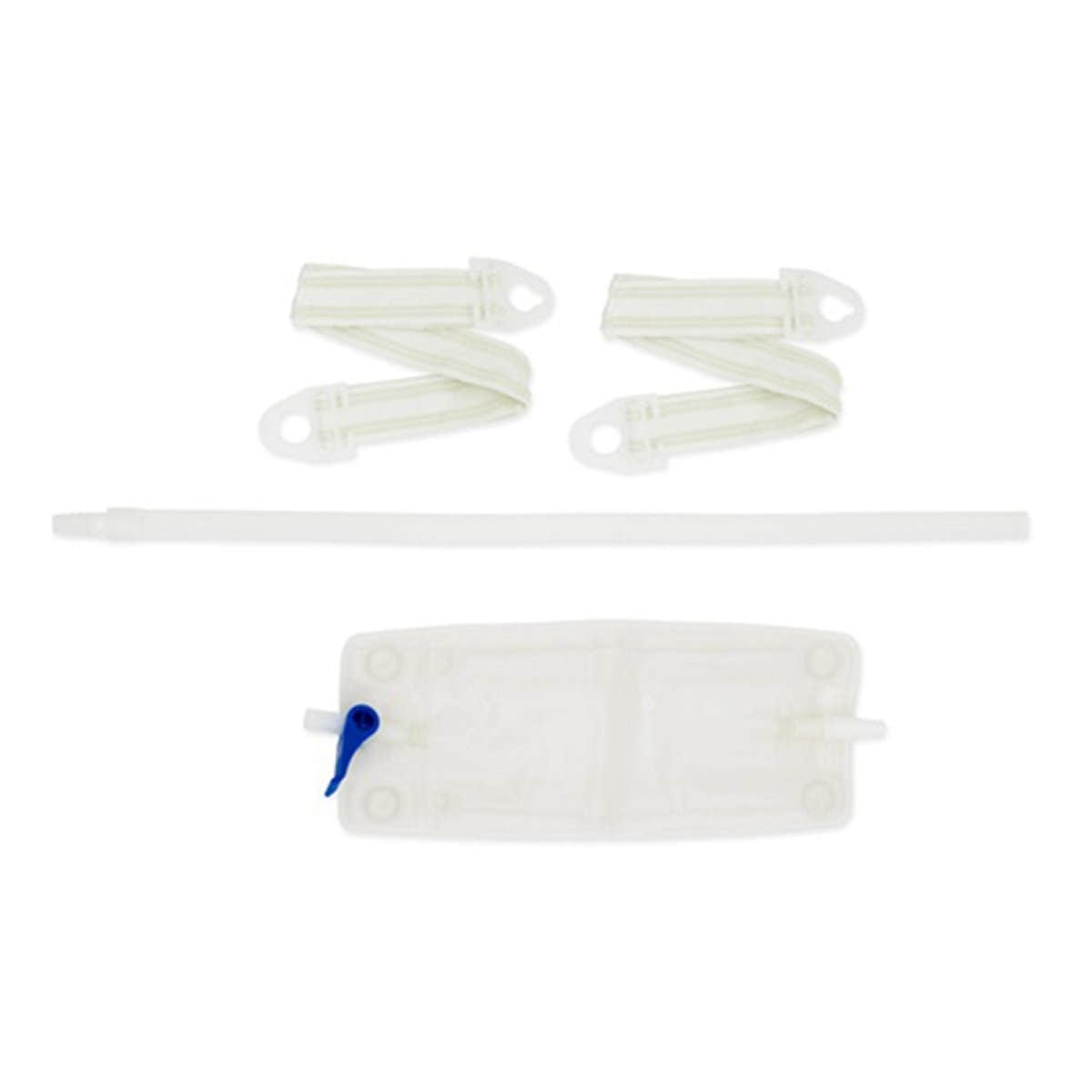
Choose options

Frequently Asked Questions about Leg Bags

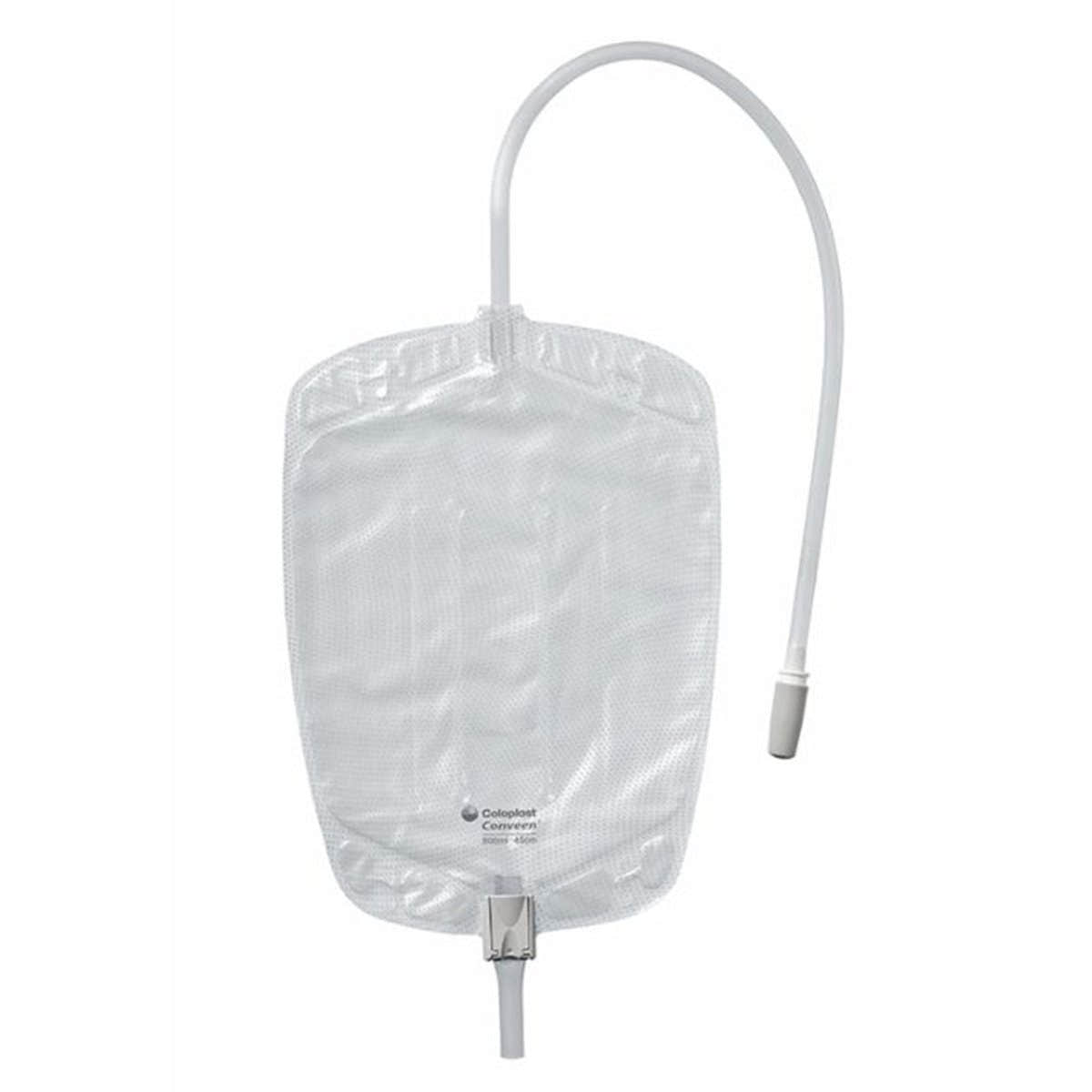
A urinary leg bag is a discreet, wearable collection pouch that attaches to the leg to collect urine from a catheter, allowing users to move freely throughout the day. Urinary leg bags are typically secured with straps and worn under clothing, making them a practical option for active catheter users.

Urinary leg bags are designed for people who use an indwelling or external catheter and need a portable urine collection solution during daytime hours. They are commonly used by individuals managing urinary incontinence, post-surgical recovery, or long-term bladder conditions who want to maintain mobility and independence.

Fasten the leg bag strap around the thigh or calf at a comfortable tension — snug enough to hold the bag in place but not so tight that it restricts circulation. Most leg bag straps are adjustable and designed to work with standard urinary leg bags, so check that the strap width and attachment points are compatible with your specific bag.

Open the drainage valve at the bottom of the urinary leg bag, allow urine to drain completely into a toilet or container, then close the valve securely before repositioning the bag. Emptying the bag regularly — before it reaches full capacity — helps prevent leaks and reduces the risk of skin irritation or infection.

A urinary leg bag is the collection pouch on its own, while a urinary leg bag kit includes the bag along with additional accessories such as straps, tubing, or drainage connectors packaged together. Kits are a convenient option for first-time users or anyone who wants to make sure all compatible components are included from the start.

Choose a urinary leg bag size based on your daily fluid output and how frequently you are able to empty the bag — smaller capacities suit more active users who can empty often, while larger capacities work better for those with limited access to restrooms. Checking the bag's stated volume capacity before purchasing helps ensure it meets your daily needs.

Yes, urinary leg bags are specifically designed to be worn discreetly under pants, skirts, or loose clothing. The bag lies flat against the thigh or calf and is held in place by leg bag straps, making it largely invisible beneath everyday attire and allowing users to go about normal activities with confidence.

Most urinary leg bags are intended for single-patient reuse over a defined period — typically several days to a week — rather than being replaced after every use. Following the manufacturer's recommended replacement schedule and cleaning the bag with the appropriate solution each day helps maintain hygiene and reduce the risk of infection.

Rinse a reusable urinary leg bag with cool water after emptying, then wash the interior with a mild soap or a diluted white vinegar solution to reduce odor and bacteria buildup. Allow the bag to air dry completely before reuse, and replace the bag according to the manufacturer's recommended schedule to maintain proper hygiene.

A urinary leg bag is smaller and worn directly on the leg for daytime mobility, while a standard bedside drainage bag is larger and designed to hang from a bed frame or chair during rest or overnight use. Many catheter users alternate between a leg bag during the day and a larger drainage bag at night to balance capacity with convenience.

Recently viewed