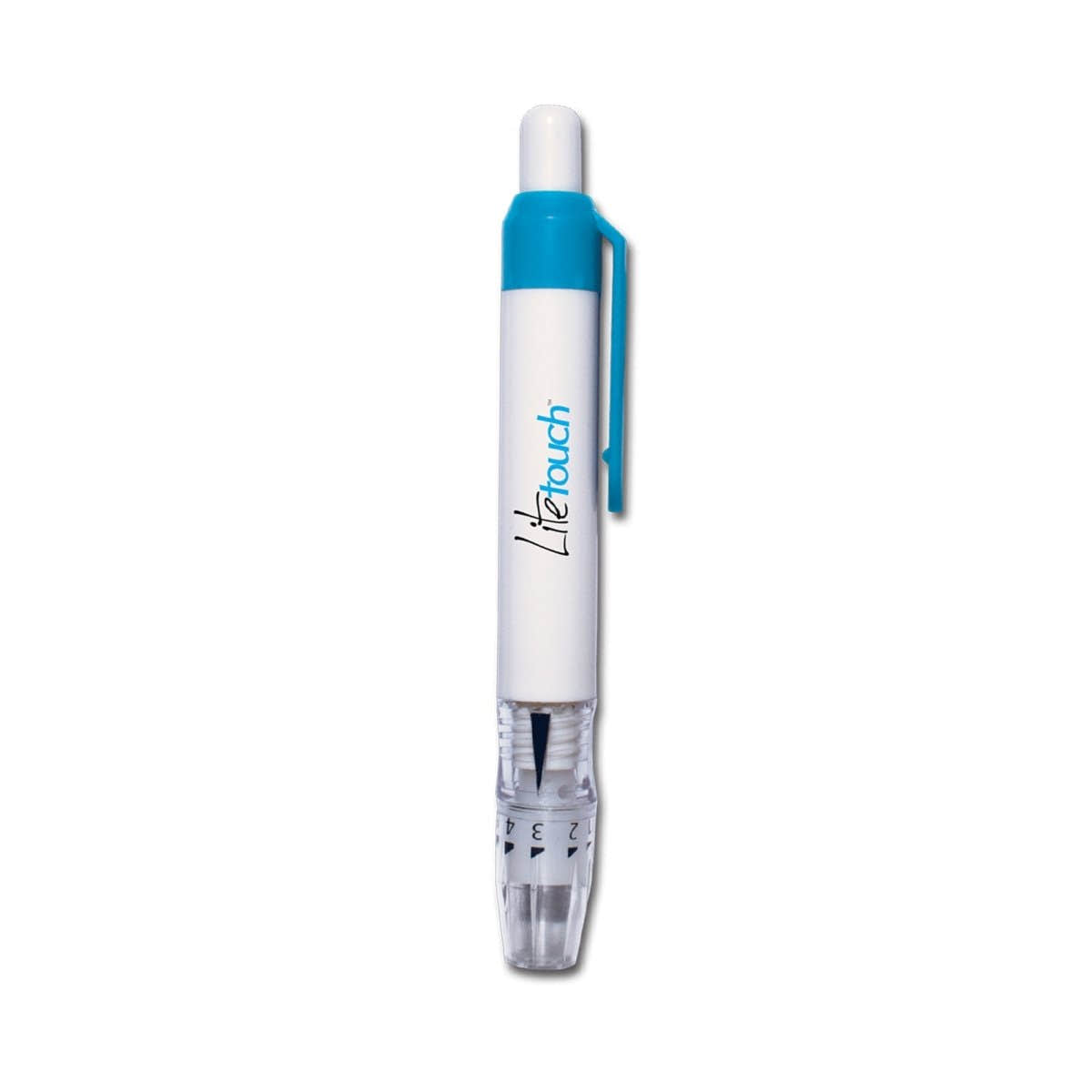
The Litetouch collection brings together lancing devices designed with one goal in mind: making the finger-stick process as comfortable and consistent as possible. Whether you're a first-time user or someone who performs daily checks, Litetouch products focus on ease of use and reliable performance — qualities that matter every time.
Comfort-focused design: Litetouch devices are built to minimize discomfort, making the lancing experience more approachable for a wide range of users.
Straightforward operation: Clean, intuitive mechanics mean less guesswork and more consistent results with each use.
Everyday reliability: Products in this collection are designed for regular, dependable use — not just occasional testing.
A focused product line: Rather than overwhelming you with options, Litetouch keeps things simple, so you can find what you need quickly. The Litetouch Lancing Device is a strong starting point for most shoppers.
How to Choose the Right Litetouch Product
Because Litetouch centers its lineup on lancing devices, the main considerations are personal preference and intended use. Think about how often lancing takes place and whether ease of handling is a priority. If you're exploring options for the first time, the Litetouch Lancing Device offers a straightforward introduction to the brand's approach.
As always, a healthcare professional can offer personalized guidance on which lancing tools and techniques are most appropriate for a specific situation.
About the Litetouch Brand
Litetouch has built its identity around one specialty: lancing devices that prioritize comfort without sacrificing precision. That focused approach means every product in this collection reflects the same core values — thoughtful engineering and user-friendly design.
Frequently Asked Questions about Litetouch
A lancing device is a small handheld tool used to prick the fingertip and draw a tiny drop of blood for blood glucose testing. Lancing devices are a core part of daily diabetes management, allowing people to monitor their blood sugar levels quickly and with minimal discomfort.
Lancing devices are designed for people with diabetes who need to monitor their blood glucose levels at home or on the go. They are also used by caregivers who assist patients with daily blood sugar testing. Anyone performing routine fingerstick blood glucose checks can benefit from using a lancing device.
Load a sterile lancet into the lancing device, set the depth dial to your preferred penetration level, then press the device firmly against the side of your fingertip and press the release button. Wipe away the first drop of blood, then apply the second drop to your glucose test strip for an accurate reading.
Rotate the depth adjustment dial on the lancing device to a lower number for a shallower prick, which works well for sensitive skin, or a higher number for a deeper prick if you have thicker skin or difficulty getting enough blood. Starting at a mid-range setting and adjusting based on comfort and blood flow is a good approach.
No, lancing devices are not universally compatible with all lancets — most devices are designed to work with a specific lancet gauge or brand. Always check the lancing device's instructions to confirm which lancet sizes are compatible before purchasing replacement lancets to ensure safe and accurate use.
Yes, a lancing device itself is reusable, but the lancet loaded inside it should be replaced after every single use. Reusing lancets can cause unnecessary pain, increase infection risk, and lead to inaccurate blood draws because the tip dulls quickly after the first use.
Because the sides of the fingertip have fewer nerve endings than the pad, lancing that area with a lancing device tends to cause significantly less discomfort. Rotating finger sites and using the correct depth setting also help reduce pain and prevent calluses from forming over time.
Wipe the exterior of the lancing device with a damp cloth or mild disinfectant regularly, and always remove the used lancet before storing the device. Keep the lancing device in a clean, dry case away from extreme heat or moisture to maintain its function and hygiene between uses.
Yes, a quality lancing device reduces pain during blood glucose testing by delivering a controlled, consistent prick depth rather than a manual jab. Adjustable depth settings allow users to customize penetration based on their skin thickness, which helps minimize discomfort while still collecting an adequate blood sample.
A lancing device offers more control, consistency, and comfort compared to using a bare lancet by hand, which can cause uneven punctures and more pain. Lancing devices also allow depth adjustment and typically have a spring-loaded mechanism that makes the prick faster and less traumatic to the skin.
Do you still have questions about Litetouch?
If we still haven't answered your question, you can contact us by live chat or email and we will get back to you as soon as possible.