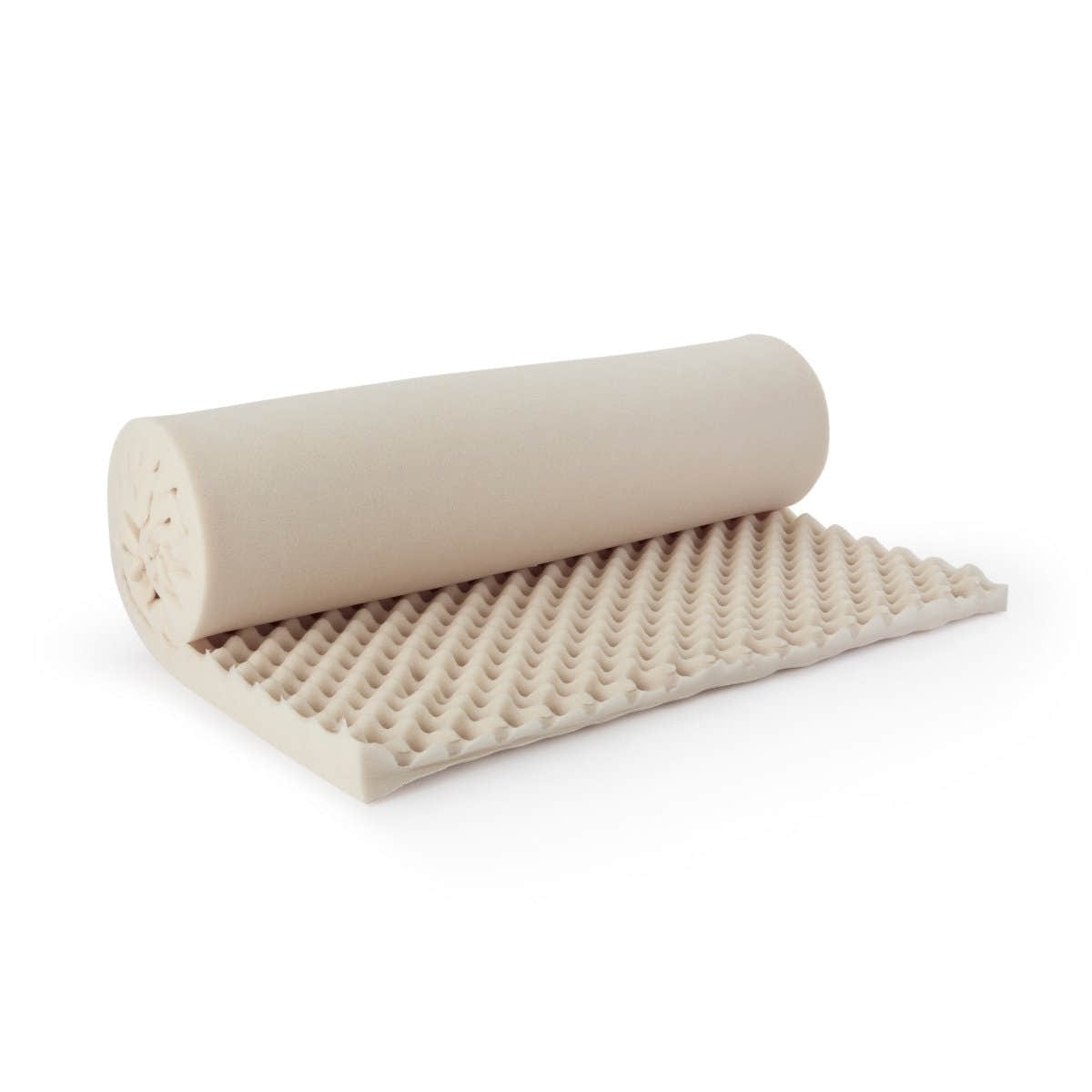
Mattress Overlays

8 products

Showing 1 - 8 of 8 products

Mattress Overlays & Protective Bed Pads for Added Comfort and Surface Protection

Mattress overlays are designed to rest on top of an existing mattress, adding an extra layer of cushioning, support, or protection. Whether used in a home care setting, a clinical environment, or for everyday comfort, the right overlay can make a meaningful difference in how a sleep surface feels and performs. Cart Health carries overlays and protective pads from trusted brands including SkiL-Care, McKesson, Drive, Span America, and more — so you can find the right fit for your specific situation.

Showing 1 - 8 of 8 products
View
Drive Vinyl Bed Pad - 577669_EA - 1
Drive Vinyl Bed Pad
Sale price$23.99
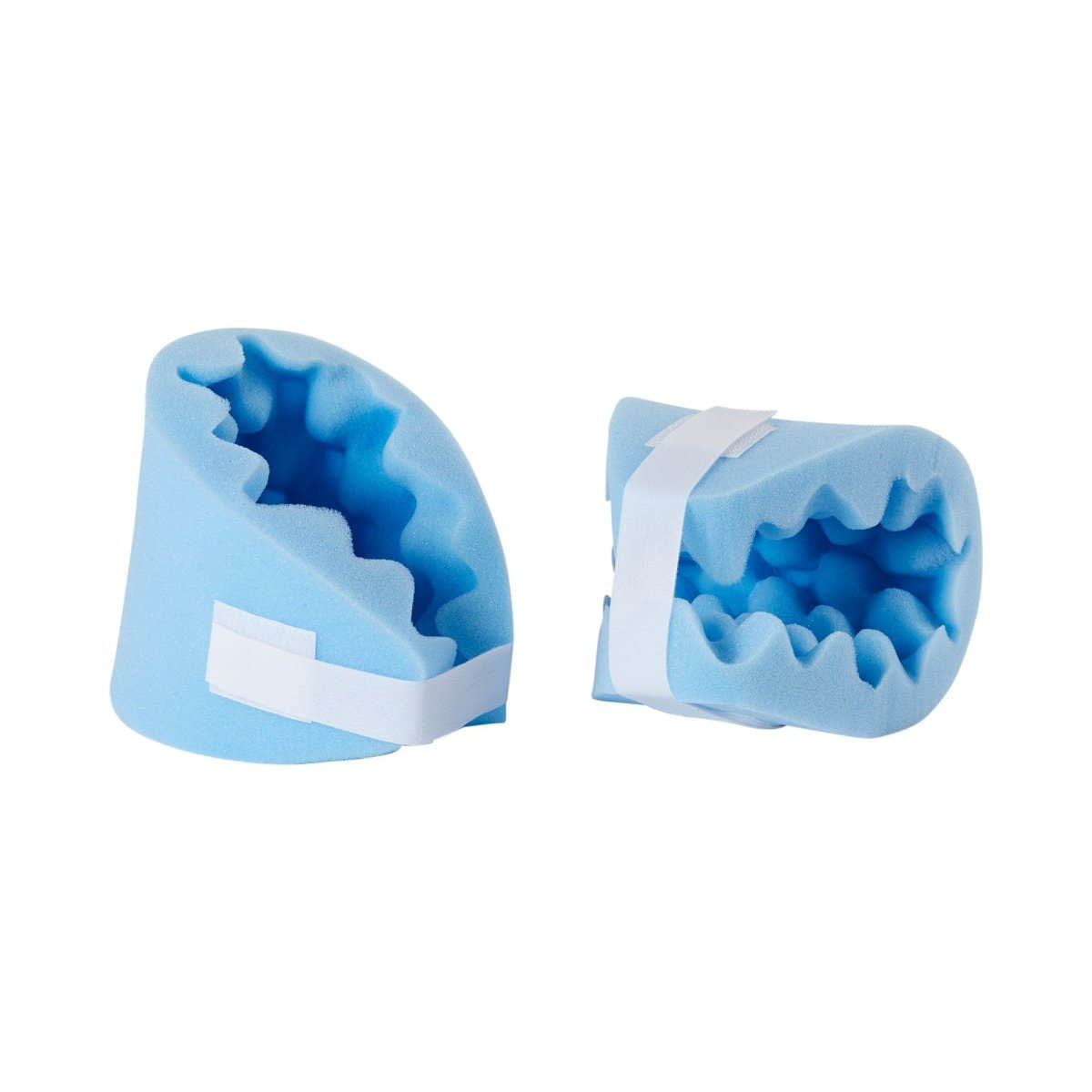
Mckesson Armboard Pads - 929209_CS - 1
McKesson Armboard Pads
Sale priceFrom $5.99
Choose options
Mckesson Elbow Protector Pad - 929208_CS - 1
McKesson Elbow Protector Pad
Sale priceFrom $7.99
Choose options
Skil Care Decubitus Bed Pad - 355504_EA - 1
Skil Care Decubitus Bed Pad
Sale price$21.99
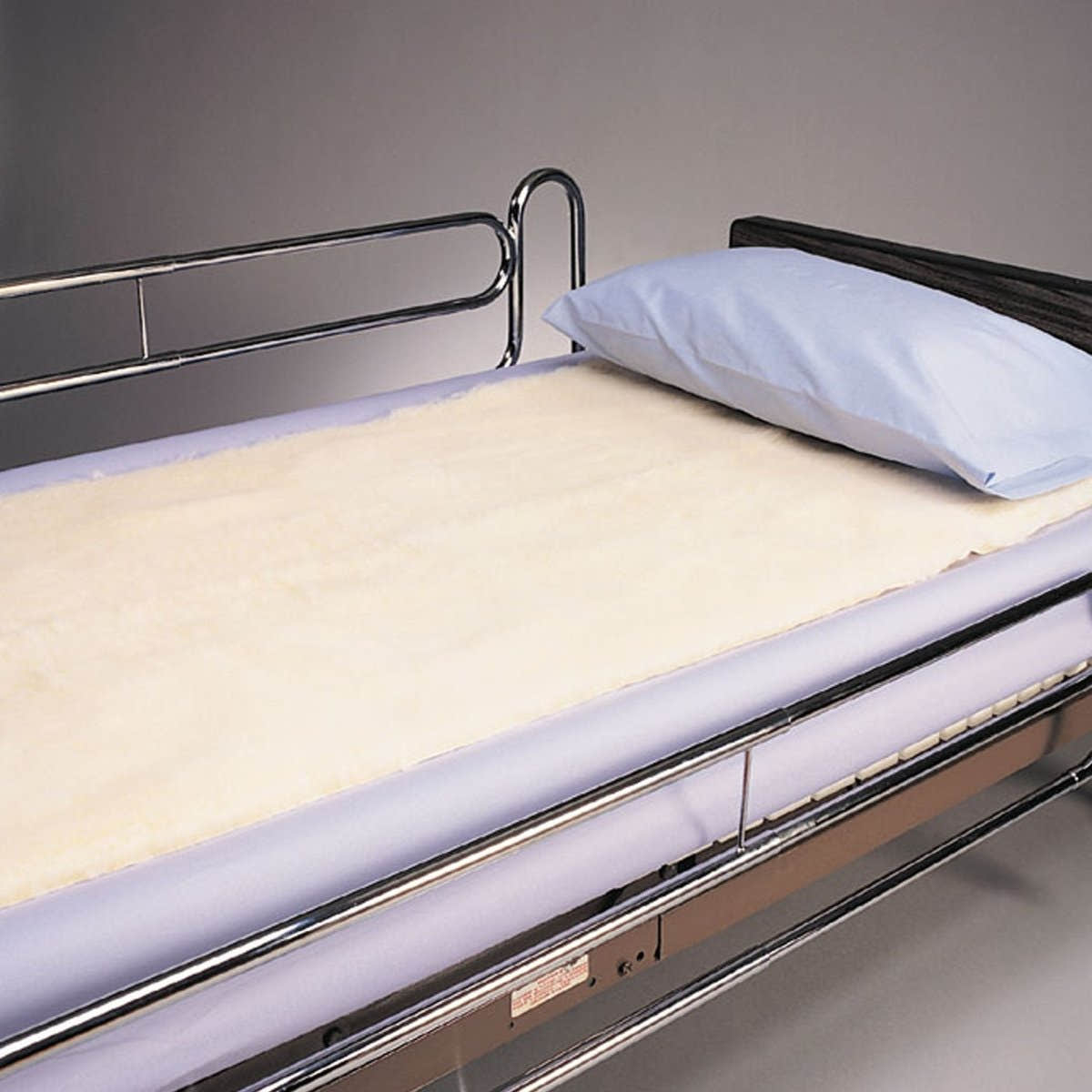
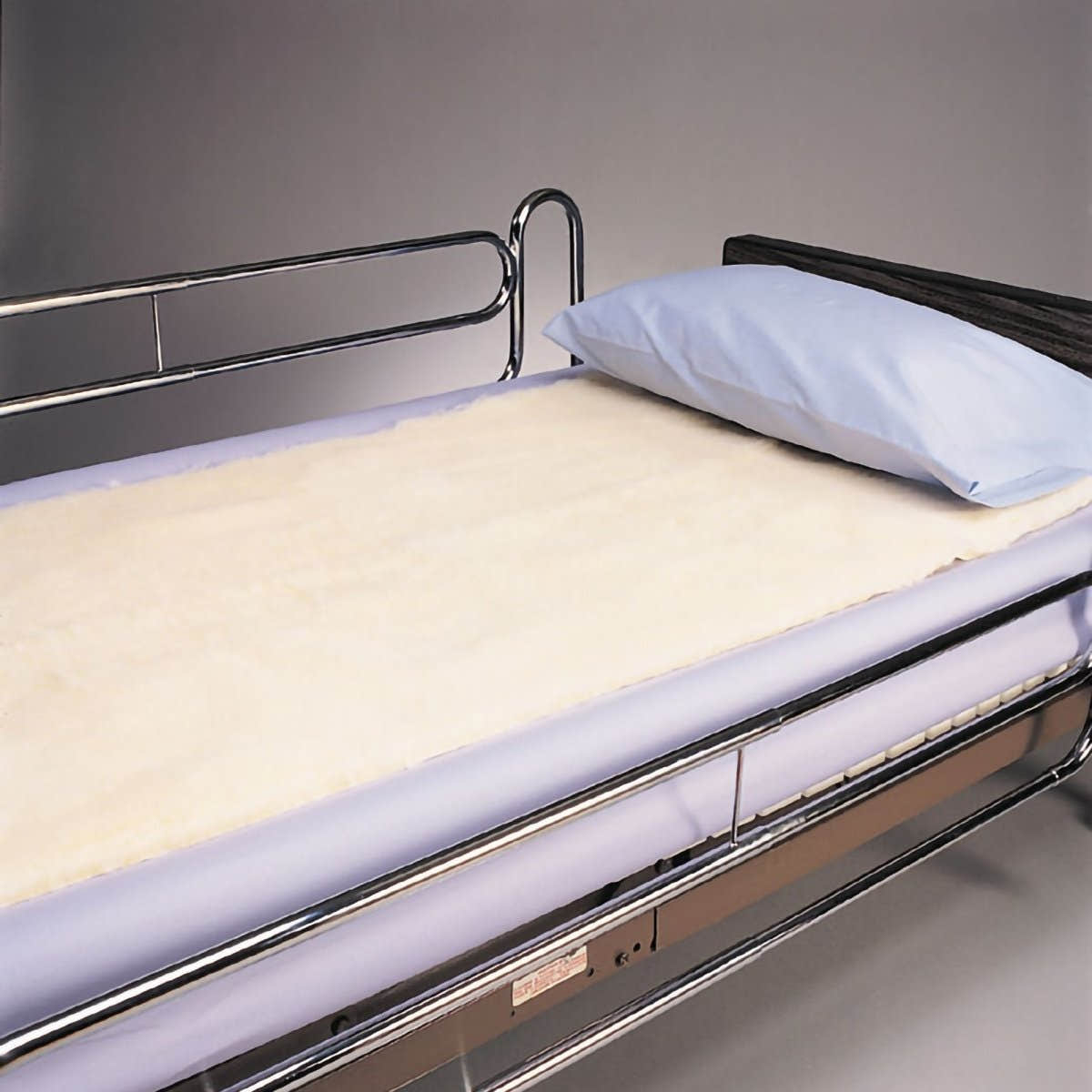
Skil Care Synthetic Sheepskin Pad - 183242_DZ - 1
Skil Care Synthetic Sheepskin Pad
Sale priceFrom $13.99
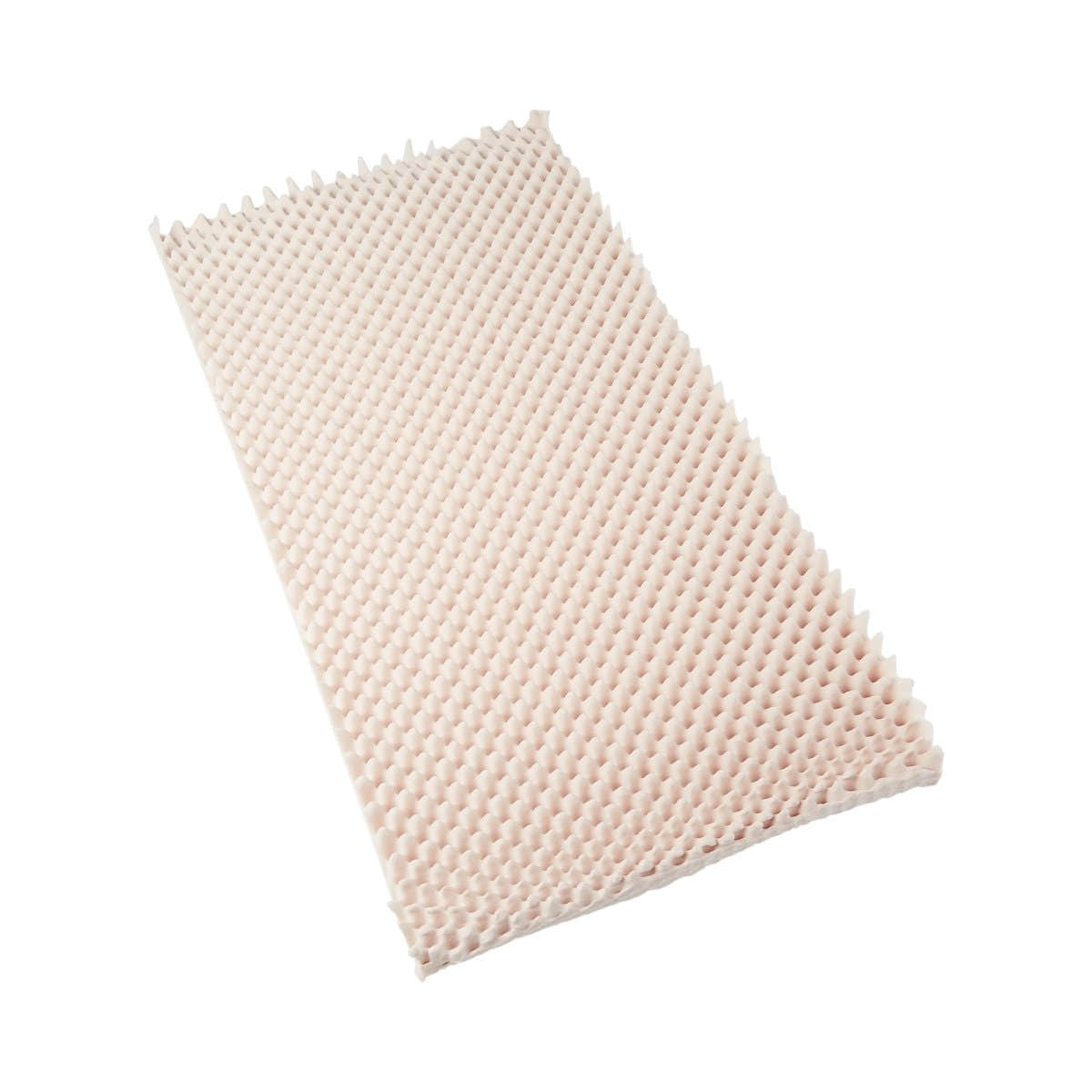
Choose options
Span America Mattress Overlay - 375263_CS - 1
Span America Mattress Overlay
Sale priceFrom $31.99
Choose options
Waffle Econocare Overlay - 1015867_CS - 1
Waffle Econocare Overlay
Sale priceFrom $70.99

Frequently Asked Questions about Mattress Overlays

Mattress overlays are cushioned pads placed on top of a standard mattress to redistribute body weight and reduce pressure on vulnerable skin areas. Mattress overlays are commonly used to help prevent or manage pressure injuries in people who spend extended time in bed. They come in foam, gel, air, and sheepskin materials depending on the level of support needed.

Mattress overlays are designed for individuals who are bedridden, have limited mobility, or are at risk of developing pressure ulcers due to prolonged time spent lying down. Caregivers, home health aides, and nursing facilities also rely on mattress overlays for patients recovering from surgery or managing chronic conditions that restrict movement.

Place the mattress overlay directly on top of the existing mattress, then secure it with fitted sheets or straps if included, making sure the surface lies flat without bunching. Most mattress overlays are designed to fit standard hospital or home mattress sizes, so check the overlay dimensions against your mattress before placing bed linens over the top.

A mattress overlay sits on top of an existing mattress to add pressure-relieving support, while a full replacement mattress substitutes the original mattress entirely. Mattress overlays are generally more affordable and easier to install, making them a practical first step for pressure injury prevention before considering a specialty replacement mattress system.

Mattress overlays are available in sizes designed to fit standard twin, full, and hospital bed mattresses, though dimensions vary by product and brand. Always measure your mattress length and width before purchasing a mattress overlay to confirm compatibility, since an ill-fitting overlay can shift during use and reduce its pressure-relieving effectiveness.

Yes, mattress overlays are generally considered safe for individuals with skin breakdown when the correct type is selected for the patient's condition and risk level. However, people with active pressure ulcers or serious wounds should consult a healthcare provider before choosing a mattress overlay, since certain stages of skin injury may require a higher-level therapeutic surface.

Clean a mattress overlay by wiping the surface with a mild soap solution or approved disinfectant, then allow the overlay to air dry completely before placing linens back on the bed. Vinyl and foam mattress overlays are typically the easiest to spot clean, while sheepskin overlays may have specific laundering instructions that should be followed to maintain the material's pressure-relieving properties.

Because mattress overlays provide an affordable, non-invasive way to reduce pressure on bony prominences and help prevent skin breakdown in patients who cannot reposition themselves frequently. Mattress overlays are widely used in both home care and clinical settings because they can be added to existing bed setups without replacing the entire mattress, lowering the cost of pressure injury prevention.

Yes, many mattress overlays are compatible with adjustable and hospital beds, but it is important to verify the overlay dimensions and flexibility before purchasing. A mattress overlay that is too rigid may not bend properly with an adjustable base, so look for foam or convoluted options specifically noted as compatible with articulating bed frames.

Yes, a mattress overlay helps prevent pressure ulcers by distributing body weight more evenly across the sleeping surface and reducing concentrated pressure on areas like the heels, hips, and tailbone. Mattress overlays work best as part of a broader pressure injury prevention plan that also includes regular repositioning, skin assessments, and proper nutrition.

Recently viewed