Nursing Pads and Shields

8 products

Showing 1 - 8 of 8 products

Nursing Pads and Shields for Everyday Breastfeeding Comfort

Whether someone is just starting their breastfeeding journey or is well into a routine, the right nursing pads and shields can make a meaningful difference in day-to-day comfort and confidence. This collection brings together trusted brands — including Lansinoh, Ameda, Curity, and Tender Care — offering a range of disposable pads, reusable options, soothing gel pads, and nipple shields to suit different needs and preferences.
Showing 1 - 8 of 8 products
View
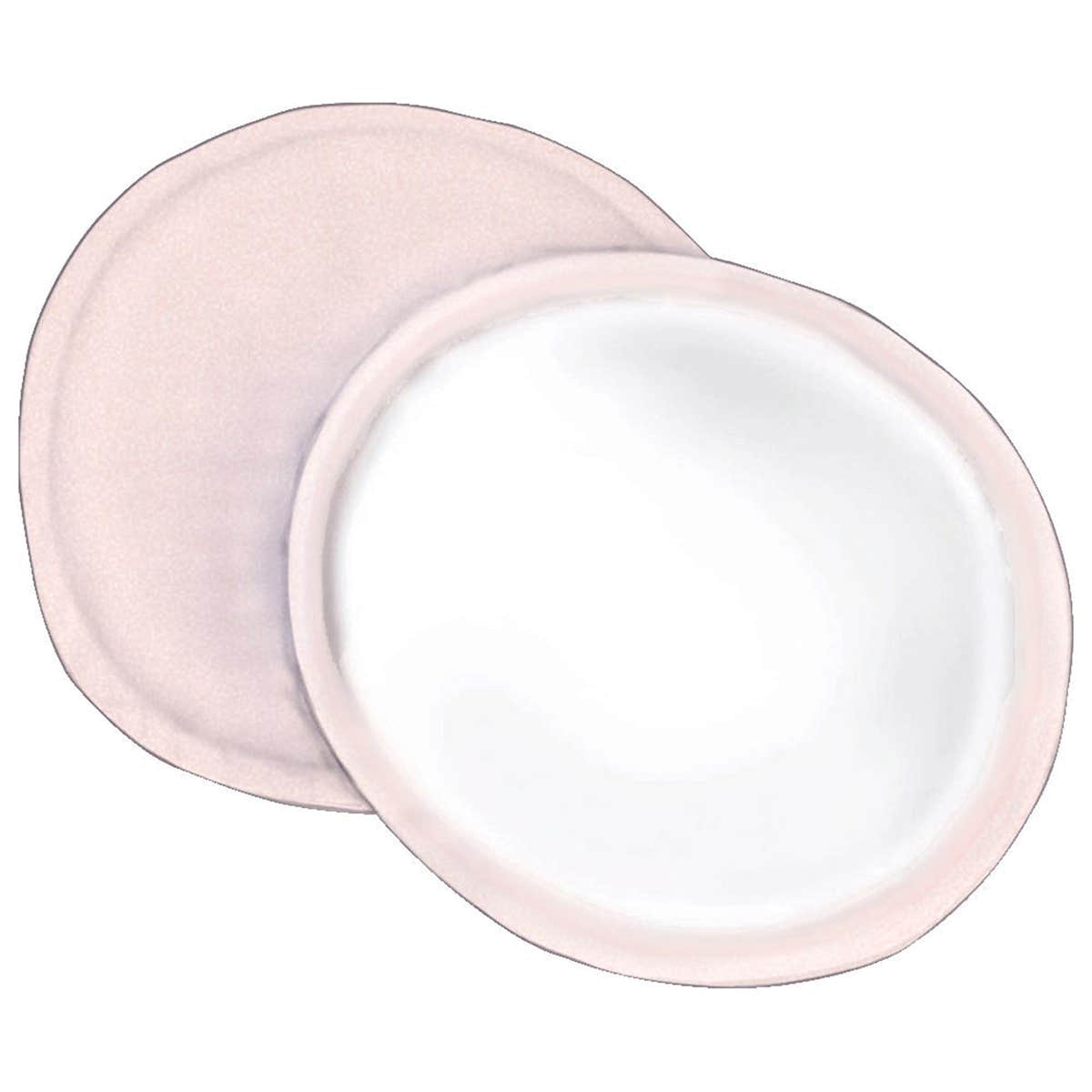
Curity Nursing Pad -Box of 12
Curity Nursing Pads
Sale priceFrom $3.99
Choose options
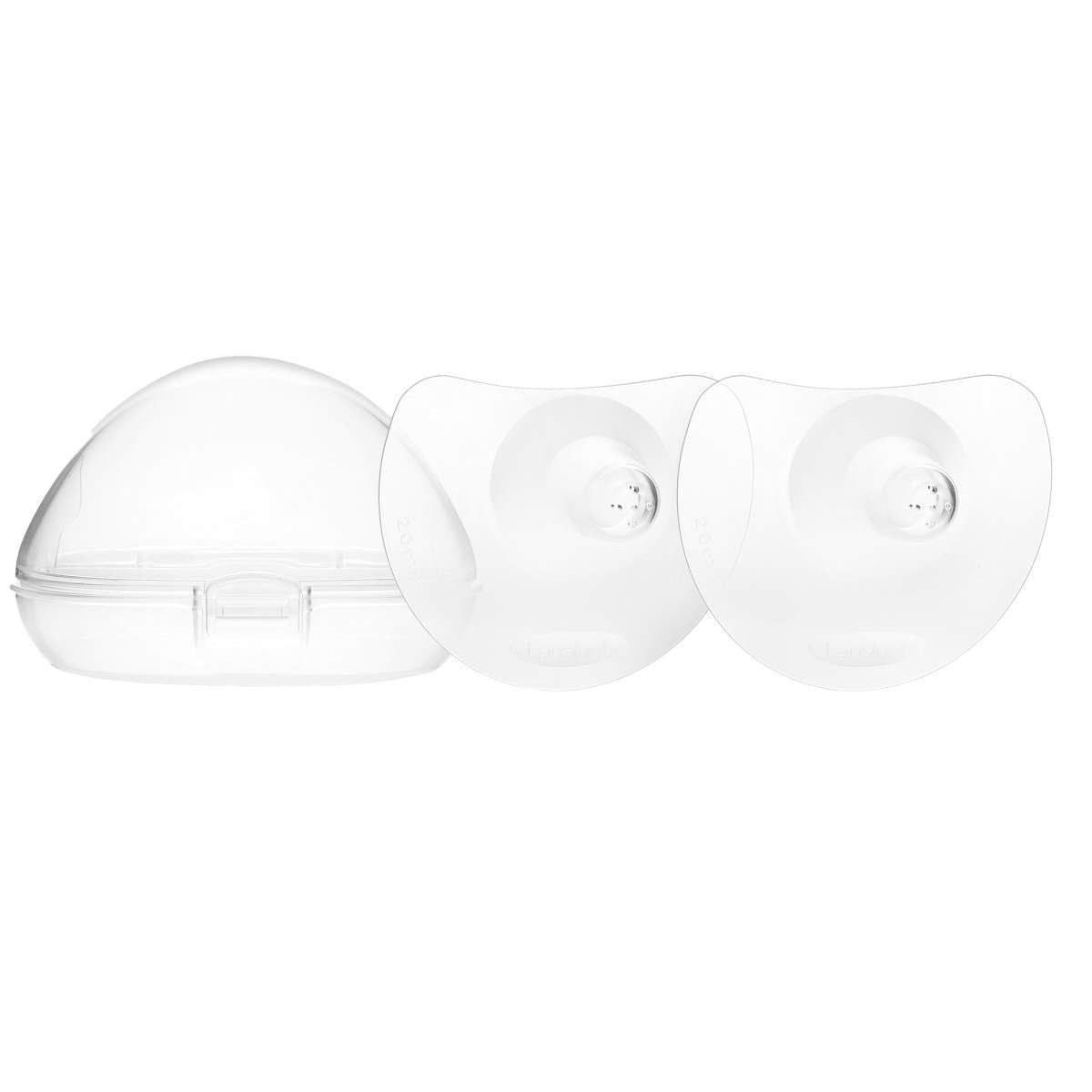
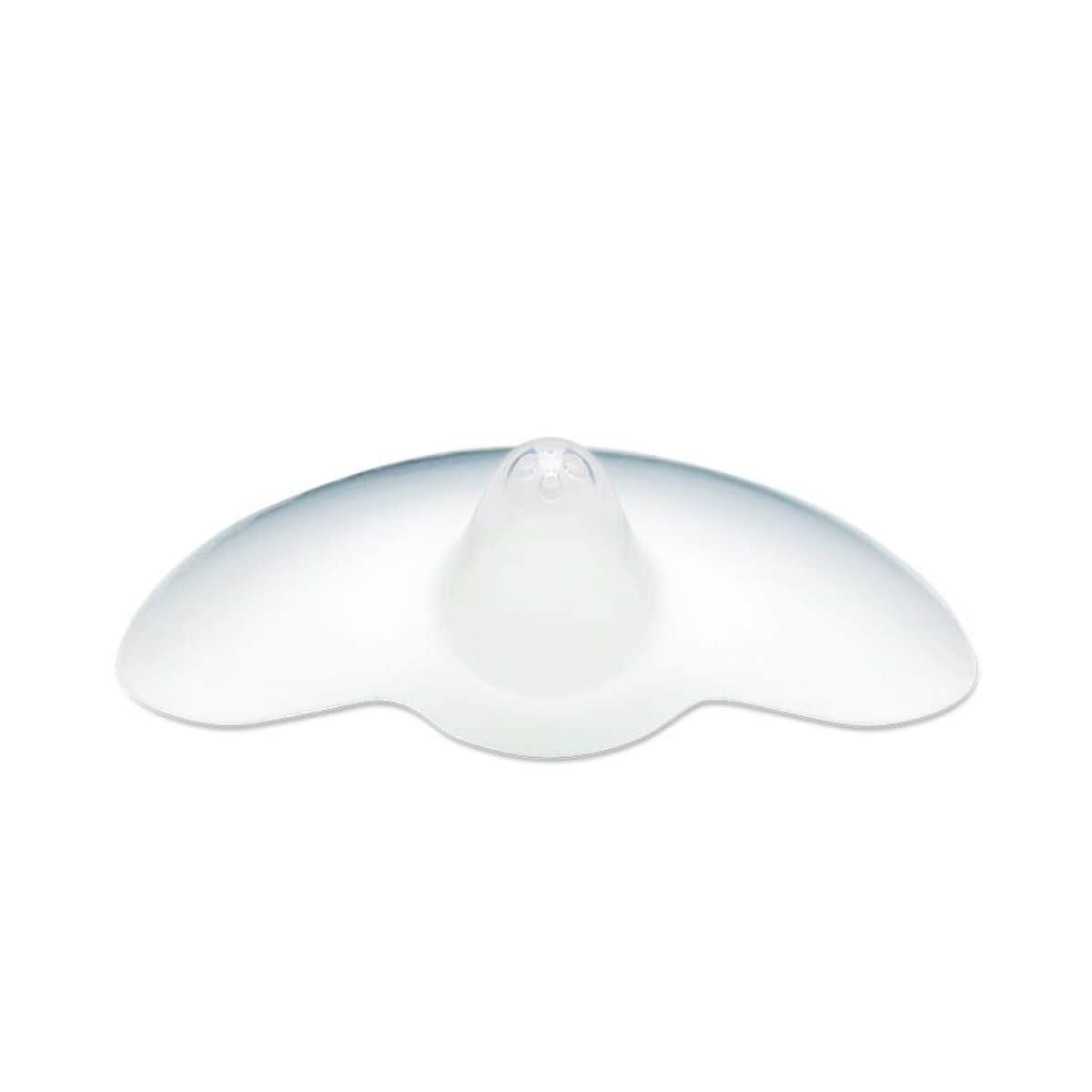
Ameda Nipple Shield - 1210557_EA - 1
Ameda Nipple Shield
Sale price$11.99
Ameda Nursing Pad - 1176532_PK - 1
Ameda Nursing Pad
Sale price$13.99
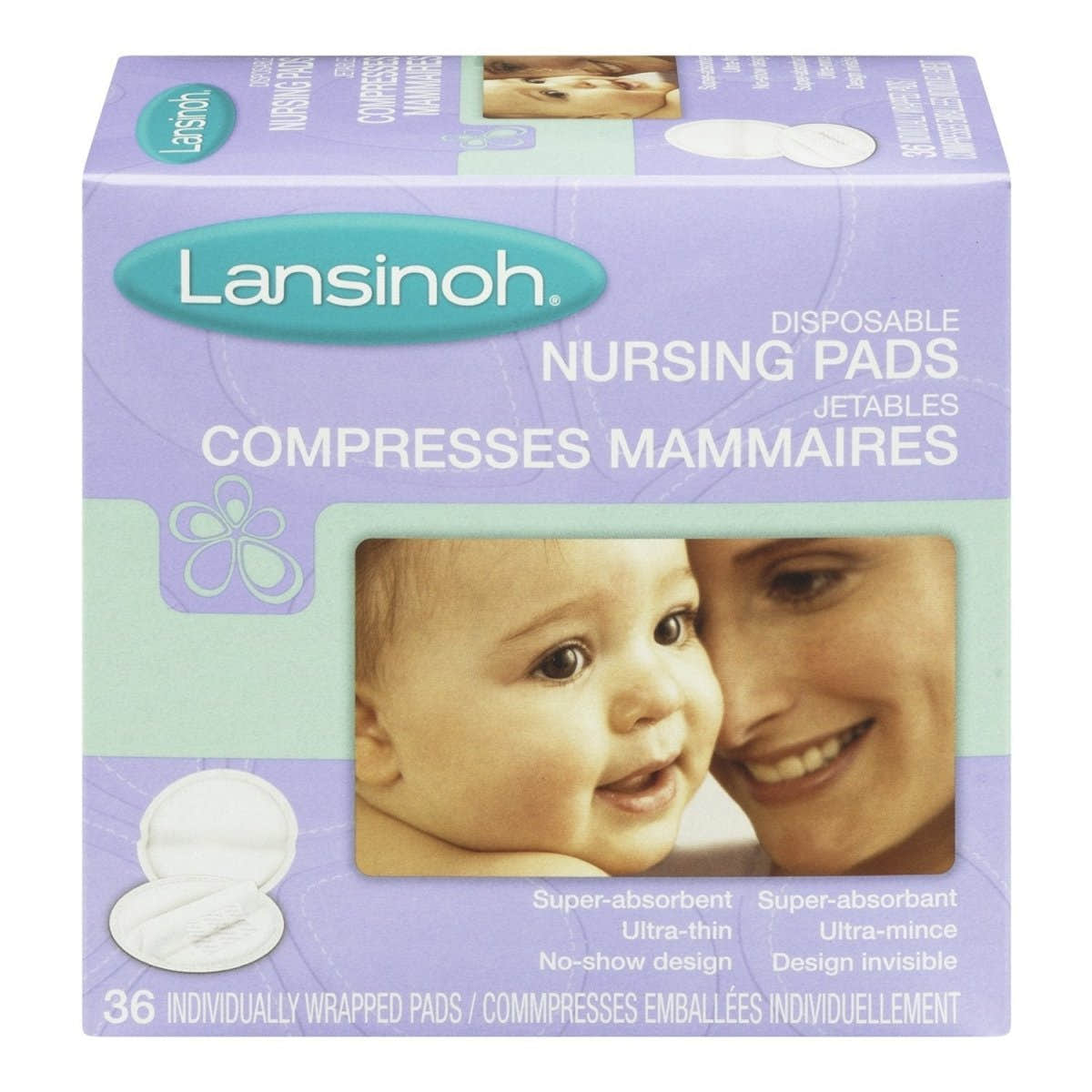
Lansinoh Nursing Pad - 981241_BX - 1
Lansinoh Nursing Pad
Sale price$8.99
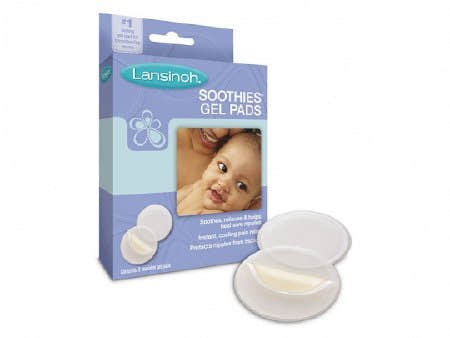
Lansinoh Soothies Nursing Gel Pads - 1176527_PK - 1
Lansinoh Soothies Nursing Pad - 731357_BX - 1
Motif Medical Nursing Pad - 1196075_PK - 1
Motif Medical Nursing Pad
Sale price$8.99
Tender Care Nursing Pad - 768087_BX - 1
Tender Care Nursing Pad
Sale price$13.99

Frequently Asked Questions about Nursing Pads and Shields

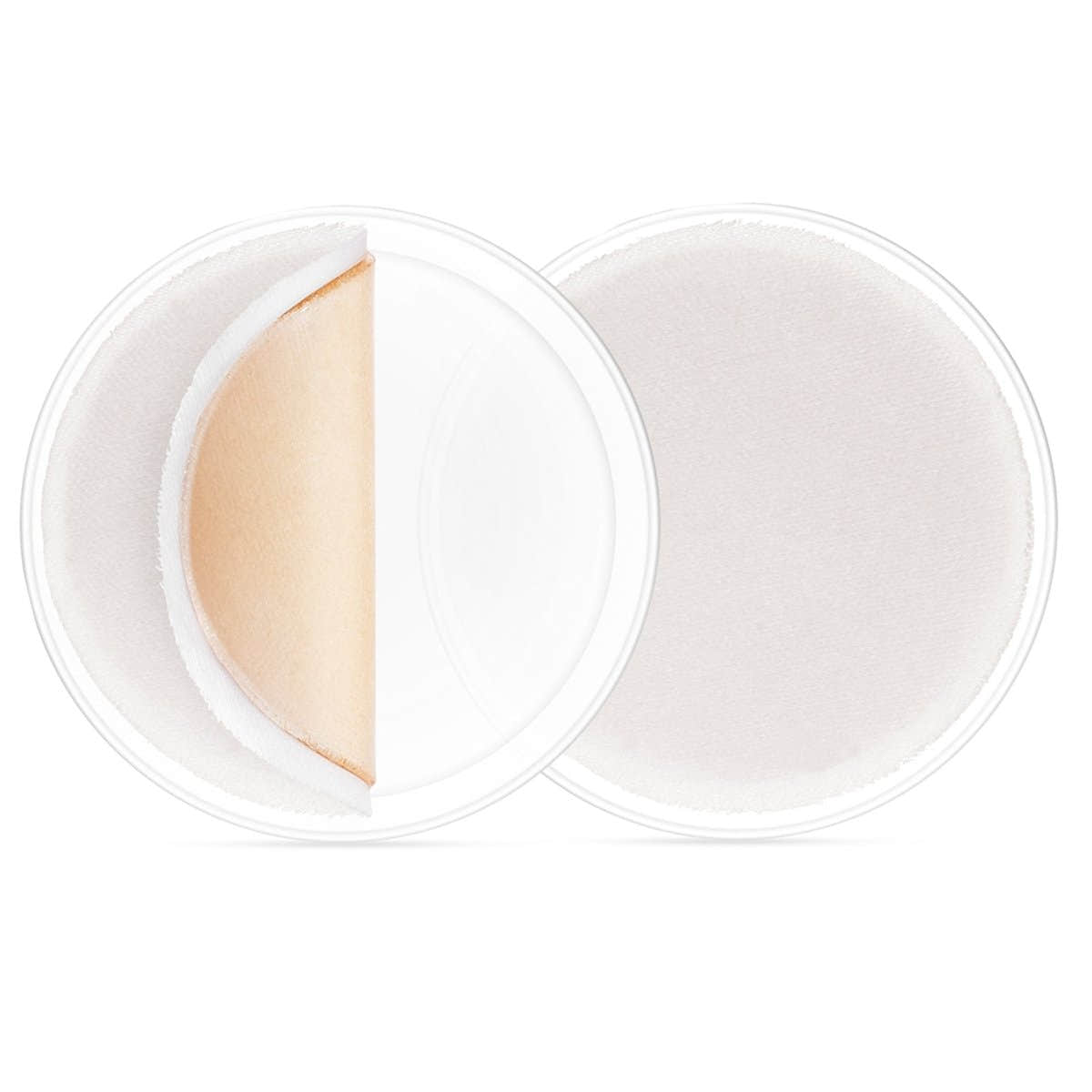
Nursing pads are absorbent inserts worn inside a bra to catch breast milk that leaks between feedings, keeping clothing dry and preventing irritation. Nursing pads come in disposable and reusable styles, and some are designed with extra softness to protect sensitive nipple skin during breastfeeding.

Nursing pads are designed for breastfeeding and pumping mothers who experience breast milk leakage between feedings or throughout the day. They are especially helpful in the early weeks postpartum when milk supply is still regulating and leaking tends to be most frequent and unpredictable.

A nipple shield is a thin, flexible silicone cover placed directly over the nipple during breastfeeding to help babies latch, while nursing pads are worn inside the bra to absorb leaked milk. Nipple shields are a feeding aid, whereas nursing pads are a leak protection product.

Place nursing pads inside your bra directly over each nipple, making sure the pad lies flat and covers the entire areola area. Change nursing pads as soon as they become wet to prevent moisture buildup against the skin, which can lead to soreness or irritation.

Yes, some nursing pads are reusable and can be washed and used again, while others are single-use disposable pads meant to be thrown away after each change. Check the packaging to confirm whether the nursing pads in your collection are labeled as reusable or disposable before washing.

Disposable nursing pads are more convenient for travel or heavy leaking days, while reusable nursing pads are a cost-effective and eco-friendly option for everyday use at home. Many breastfeeding mothers keep both types on hand and switch depending on their activity level and how much leakage they experience.

Nursing pads sold by reputable medical supply brands are generally designed with sensitive postpartum skin in mind, using soft, non-irritating materials that minimize friction against the nipple. Always change nursing pads frequently and choose options with breathable materials to reduce the risk of moisture-related skin irritation.

Nursing pads should be stored in a clean, dry location away from moisture and direct sunlight to maintain their absorbency and hygiene before use. Reusable nursing pads should be fully air-dried before storing, and disposable nursing pads should remain in their sealed packaging until needed.

Because breast milk letdown can occur unexpectedly throughout the day, nursing pads help breastfeeding mothers avoid embarrassing leaks soaking through clothing in public or at work. Nursing pads also create a soft barrier between the nipple and bra fabric, which can reduce friction and discomfort during the postpartum period.

Most breastfeeding mothers benefit from having enough nursing pads to change them every two to four hours, which typically means keeping a generous supply on hand at all times. The exact number depends on how heavily you leak, whether you choose disposable or reusable pads, and how often you do laundry.

Recently viewed