
Seating

2 products

Showing 1 - 2 of 2 products

Supportive Seating for Clinical and Care Environments

Whether outfitting a medical office, treatment room, or care facility, having the right seating in place makes a real difference in day-to-day function. Cart Health's Seating collection brings together purpose-built chairs and stools from trusted brand McKesson, designed to meet the practical demands of professional care settings.
Showing 1 - 2 of 2 products
View
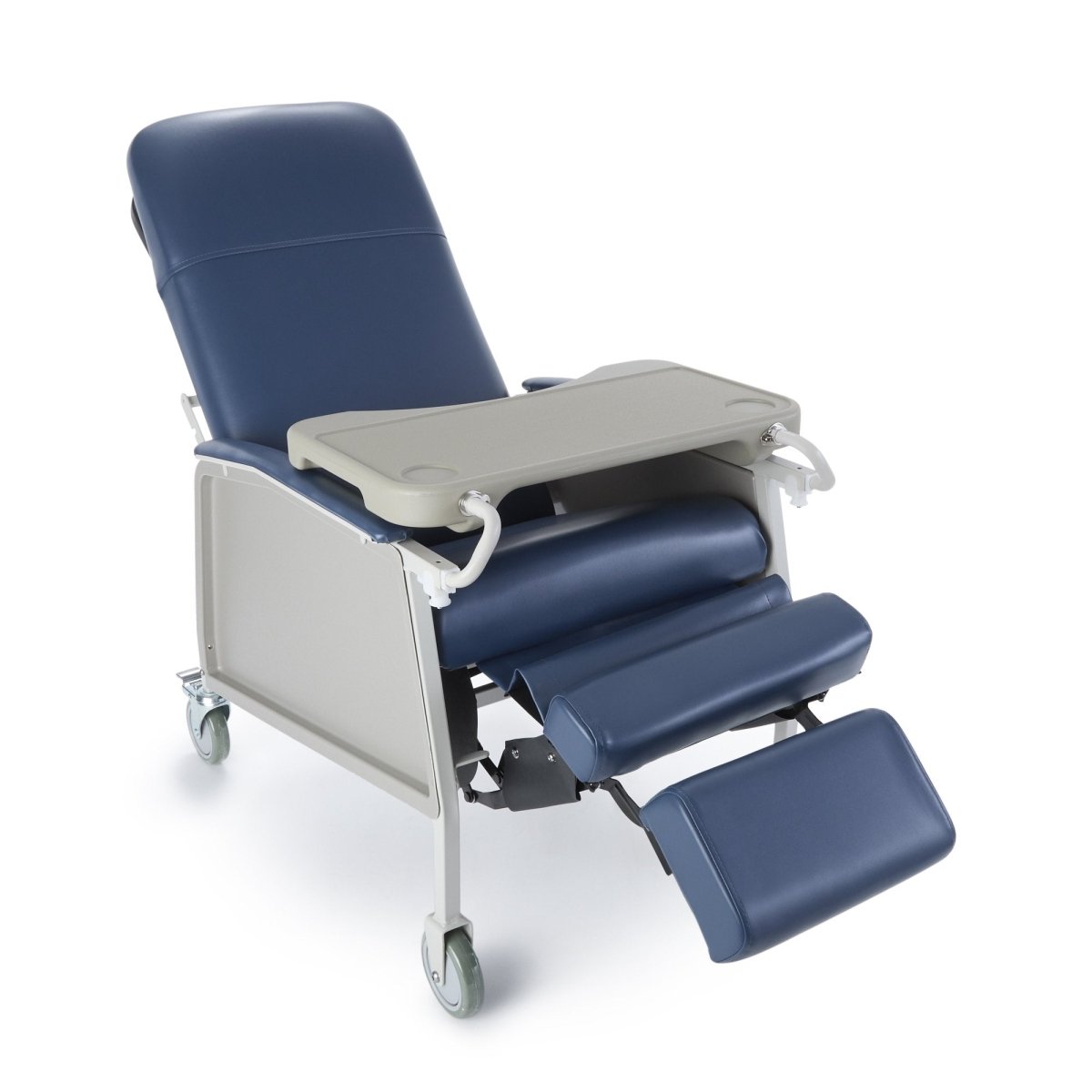
Mckesson 3 Position Recliner - 1065254_EA - 1
McKesson 3 Position Recliner
Sale priceFrom $553.99
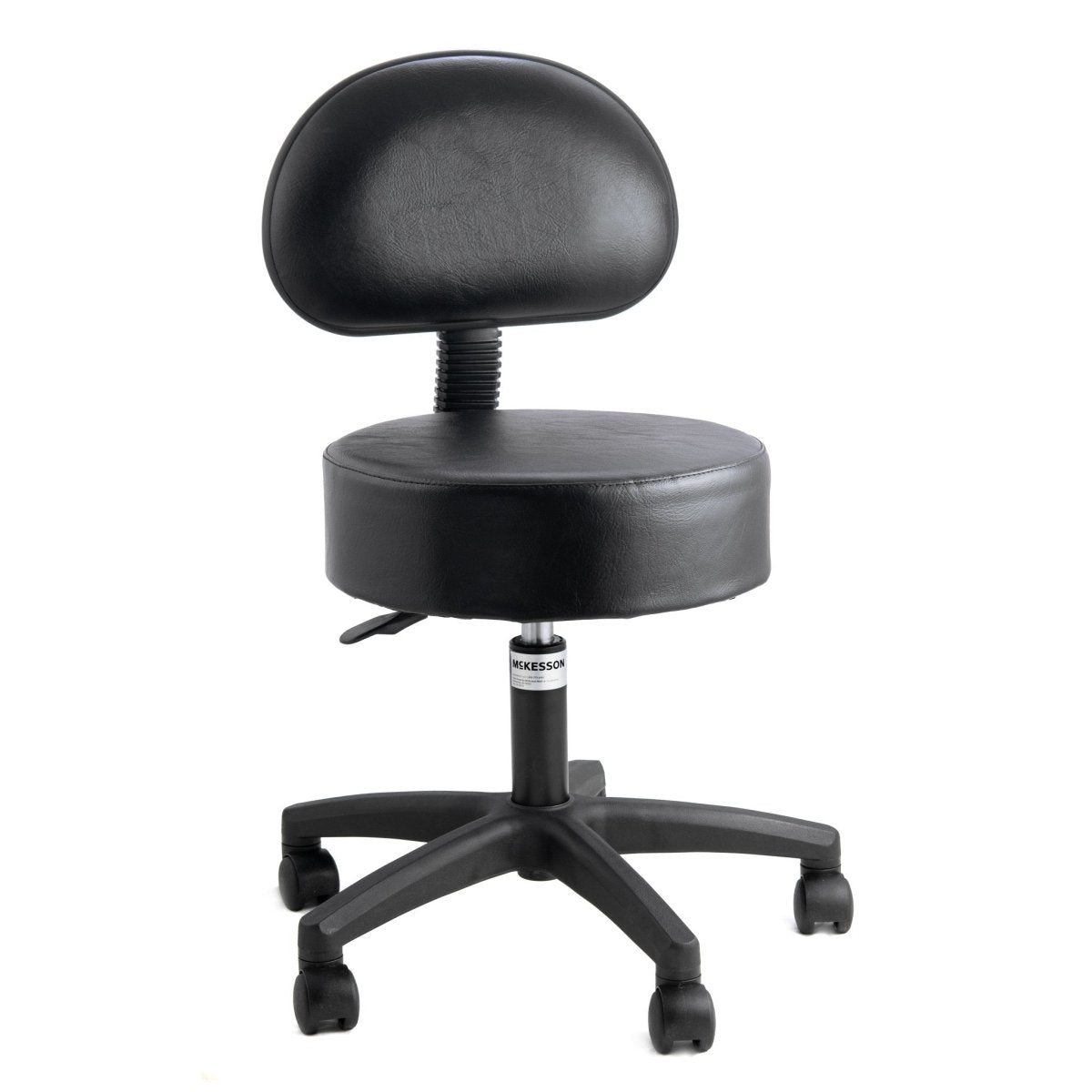
Mckesson Exam Stool With Backrest - 1115771_EA - 1

Frequently Asked Questions about Seating

Medical seating refers to a category of chairs and stools designed to support patients and healthcare providers during exams, procedures, and recovery. Options range from adjustable exam stools for clinicians to reclining chairs that help patients rest comfortably during longer appointments or treatments.

Medical recliners are designed for patients who need to sit or recline for extended periods during treatments, infusions, or recovery, while exam stools are designed for healthcare providers who need mobile, adjustable seating during patient care. Choosing between the two depends on whether the end user is the patient or the clinician.

Start by identifying who will use the seating most — patients needing comfort and support, or providers needing mobility and adjustability. Consider the type of procedures performed, available floor space, and whether features like reclining positions or backrests are necessary for the intended clinical workflow.

A 3-position recliner is a patient chair designed to shift between an upright seated position, a mid-recline, and a fully reclined position to support comfort during medical treatments, infusions, or extended rest periods. The multiple positions allow clinical staff to adjust the chair based on patient needs and procedure requirements.

Adjust medical seating by first confirming the chair or stool is on a stable, level surface before the patient or provider sits down. For recliners, move through positions slowly and ensure locking mechanisms are engaged at each angle. For stools, set the height so the provider's feet rest flat and posture remains neutral.

Yes, medical seating sold for clinical use is generally designed with infection control in mind, featuring smooth, non-porous upholstery surfaces that can be wiped down with standard healthcare disinfectants. Always follow the manufacturer's care instructions to avoid damaging the material or compromising the chair's integrity over time.

Medical seating weight capacity varies by product type, so always check the individual product specifications before purchasing to confirm the chair or stool meets the needs of your patient population. Selecting seating with an appropriate weight rating is essential for both patient safety and long-term equipment durability.

Because an exam stool with a backrest provides lumbar support that reduces fatigue for healthcare providers during long shifts or extended procedures. Without back support, prolonged sitting on a standard stool can contribute to poor posture and discomfort, making a backrest a practical ergonomic upgrade for busy clinical environments.

Medical seating differs from standard chairs because medical seating is engineered specifically for clinical use, with features like easy-clean upholstery, reinforced frames, height adjustability, and reclining mechanisms suited for patient care settings. Standard home or office chairs lack these clinical-grade construction standards and are not designed to withstand frequent disinfection or support medical procedures.

Store medical seating in a clean, dry area away from direct sunlight and harsh chemicals that could degrade upholstery or mechanical components over time. For exam stools with wheels, engage any locking casters before storage to prevent unintended movement, and periodically inspect all seating for wear, damage, or loose hardware.

Recently viewed