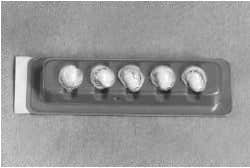
Teleflex Medical is a trusted name in professional surgical and procedural supplies. This collection brings together Teleflex Medical products available through Cart Health, designed to support healthcare professionals and facilities that depend on reliable, purpose-built instruments and accessories during clinical procedures.
Facility and clinical use: Well-suited for hospitals, surgical centers, and other licensed healthcare settings that source supplies through trusted medical vendors.
How to Choose the Right Product
When selecting from this collection, start with the specific procedural requirements of your clinical setting. Consider the size, material, and application for each item. For example, surgical sponges are available in defined dimensions — such as the 3/8 inch diameter peanut sponge — so matching the product specification to your intended use is essential. When in doubt, consult your facility's procurement guidelines or a qualified clinical professional before ordering.
About Teleflex Medical
Teleflex Medical has a long-standing presence in the medical supply industry, producing products used across a range of surgical and procedural disciplines. Healthcare teams who rely on consistent, well-specified supplies will recognize the Teleflex Medical name as a dependable source for clinical-grade accessories.
Frequently Asked Questions about Teleflex Medical
A surgical peanut sponge is a small, oval-shaped absorbent sponge used during surgery to blot blood, dissect tissue, and clear the operative field for better visibility. Surgeons and surgical techs rely on surgical peanut sponges because their compact size lets them work precisely in tight anatomical spaces without disrupting surrounding tissue.
Surgical peanut sponges are designed for use by surgeons, surgical technologists, and scrub nurses working in an operating room environment. These small sponges are standard tools across a wide range of procedures, including general surgery, orthopedic, and laparoscopic cases where fine tissue handling and localized absorption are needed.
Place a surgical peanut sponge onto a ring forceps or clamp to grip it securely, then use it to blot blood, apply gentle pressure, or carefully dissect soft tissue in the surgical field. Surgical peanut sponges should never be used freehand, as securing them to an instrument helps prevent accidental retention inside the patient.
Surgical peanut sponges are typically small, compact, and oval in shape, with common sizes available to suit different procedural needs and anatomical spaces. Always verify the specific diameter or dimensions listed on the product packaging before use, since size can vary by manufacturer and intended clinical application.
Yes, surgical peanut sponges are safe for use in open surgical procedures when handled correctly and tracked through standard surgical count protocols. Most surgical peanut sponges are radiopaque or detectable by X-ray so that any retained sponge can be identified before the patient is closed, which is a critical safety feature in any operating room.
Surgical peanut sponges differ from regular gauze sponges in their small, tightly wound oval shape, which makes them better suited for precision work in confined surgical spaces. Standard gauze sponges are used for broader absorption and wound packing, while surgical peanut sponges excel at fine dissection and targeted blotting where a larger sponge would be impractical.
Because surgical peanut sponges are small enough to be inadvertently left inside a patient, surgical teams follow strict count protocols before, during, and after every procedure. Counting surgical peanut sponges at every stage of a case is a required safety standard that helps prevent retained foreign body incidents, which are among the most serious surgical complications.
Surgical peanut sponges should be stored in a clean, dry environment away from direct sunlight, moisture, and temperature extremes to preserve their sterility and structural integrity until use. Always check the expiration date and inspect packaging for any tears or breaches before opening, since a compromised package means the sponges can no longer be considered sterile.
Yes, the material of a surgical peanut sponge directly affects how well it absorbs fluid and holds together under the mechanical stress of surgical use. Most surgical peanut sponges are made from tightly woven cotton or a cotton blend, which provides reliable absorbency and durability so the sponge does not shred or fall apart when manipulated with a clamp.
When choosing surgical peanut sponges, look for radiopacity, consistent sizing, material quality, and compliance with your facility's sterility and packaging standards. Purchasing surgical peanut sponges from a reputable medical supplier ensures the products meet regulatory requirements and that each sponge performs reliably across the full range of procedures your surgical team handles.
Do you still have questions about Teleflex Medical?
If we still haven't answered your question, you can contact us by live chat or email and we will get back to you as soon as possible.