BSN Jobst

29 products

Showing 1 - 24 of 29 products

BSN Jobst is a brand of medical compression garments and accessories that are made by BSN Medical. BSN Jobst products are designed to provide graduated compression to help improve circulation and reduce swelling in the legs and feet.

Showing 1 - 24 of 29 products
View
JOBST Anti-Em/GP Thigh High Anti-embolism Stockings - 203532_BX - 1
JOBST Anti-Em/GP Knee High Anti-embolism Stockings - 203521_BX - 1
Jobst Relief Compression Stockings - 571672_PR - 1
Jobst Opaque Female Compression Stocking Knee High, Medium, Natural -1 Pair
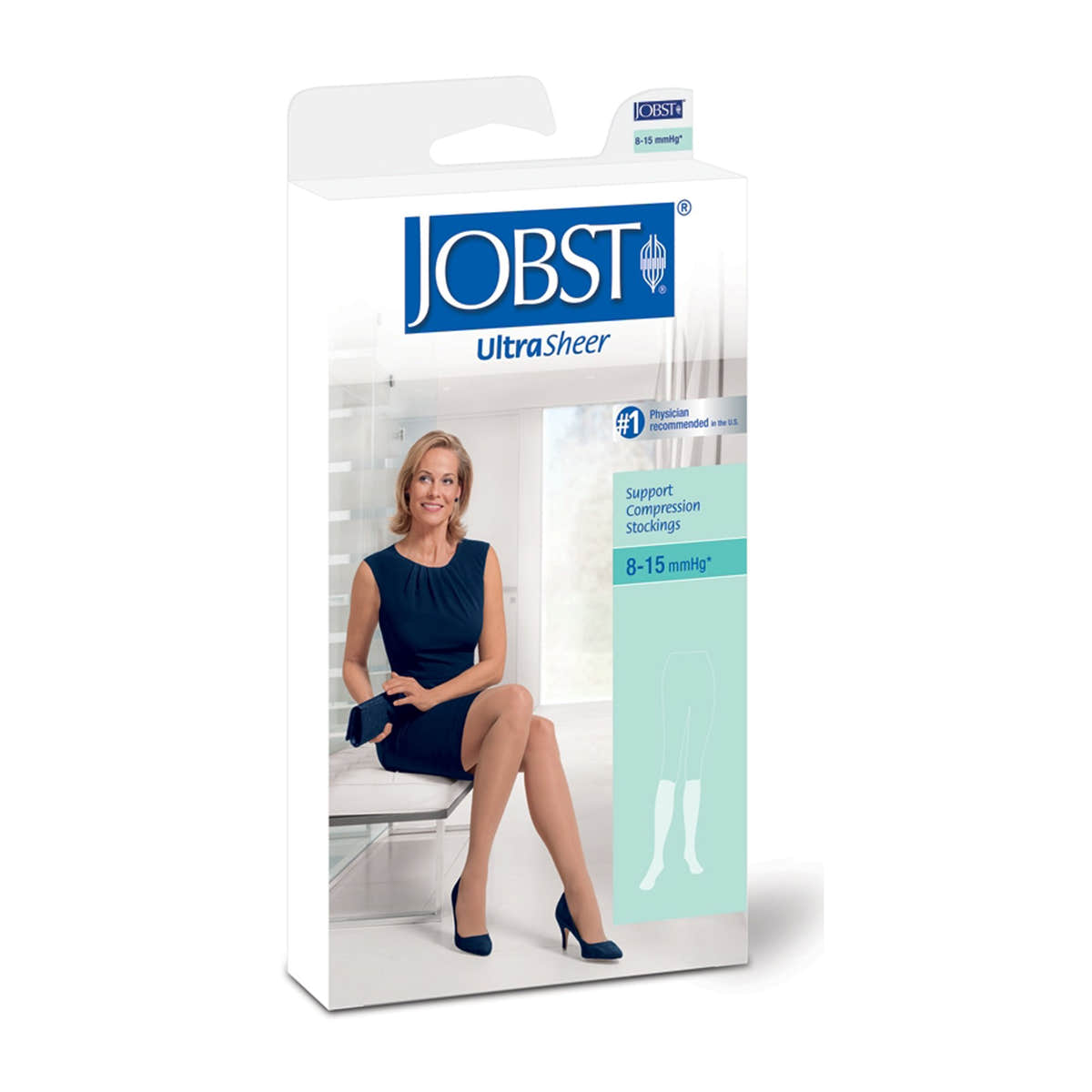
JOBST Ultrasheer Compression Stockings -1 Pair
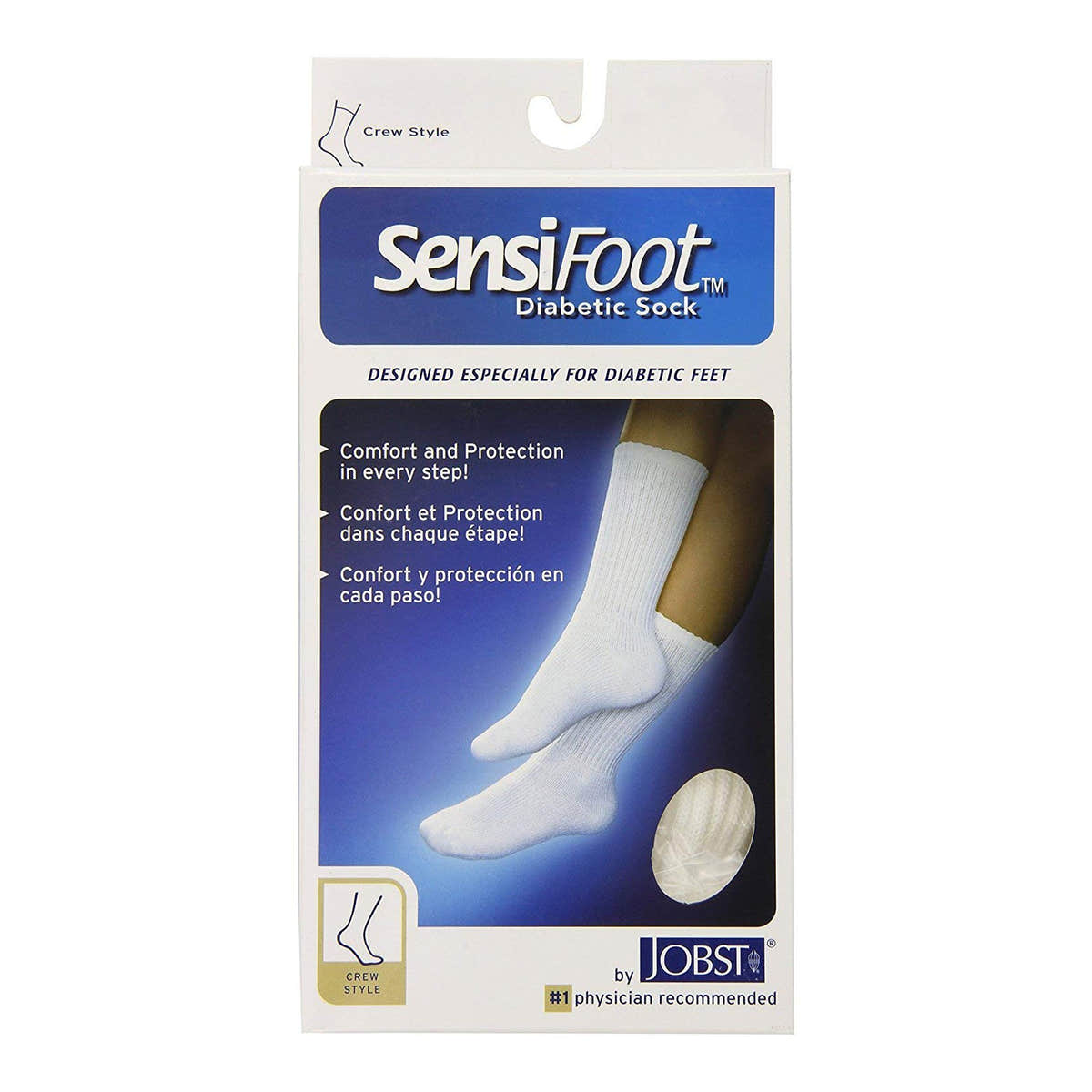
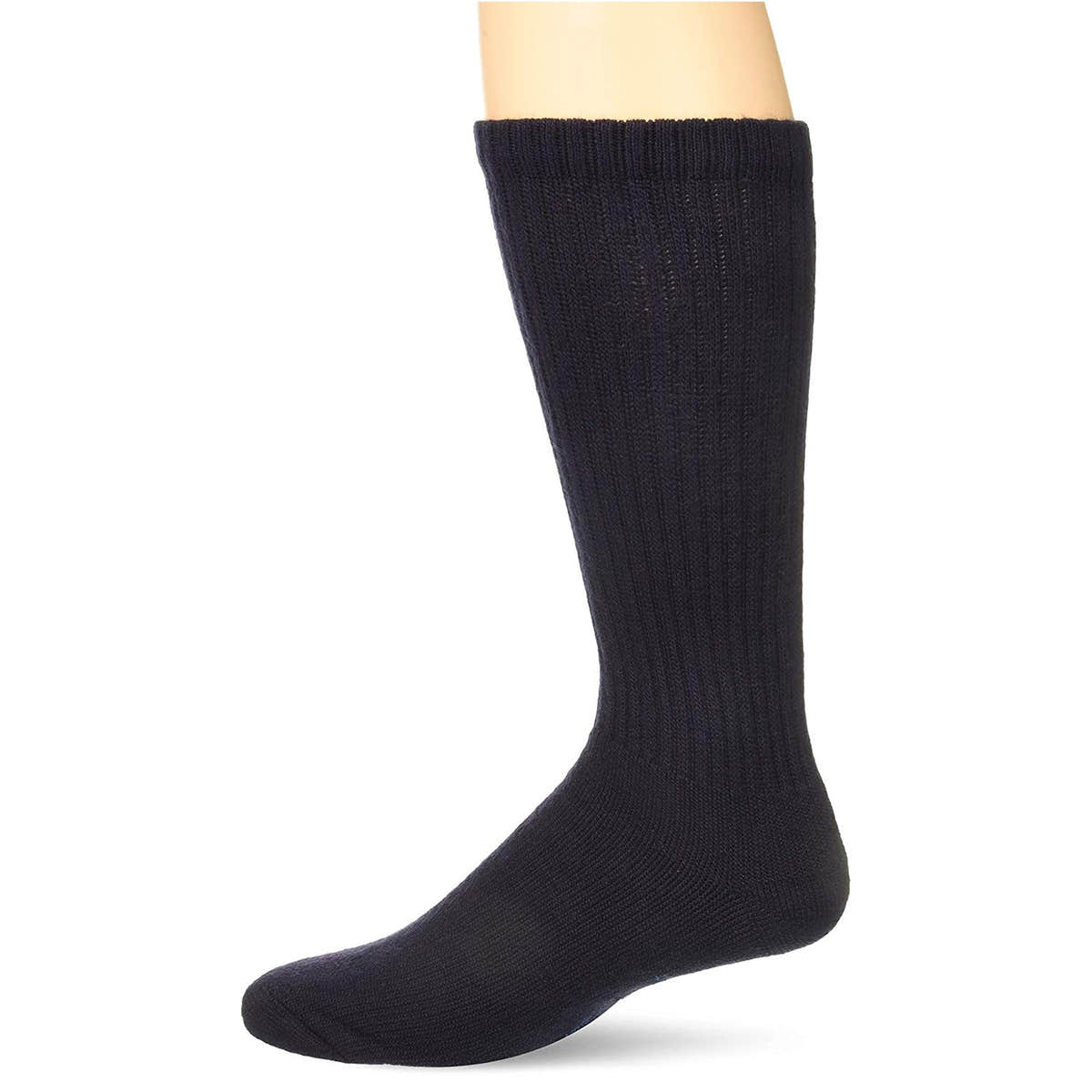
JOBST SensiFoot Crew Diabetic Compression Sock, Large, Black -1 Pair
JOBST Activa Compression Pantyhose -1 Pair
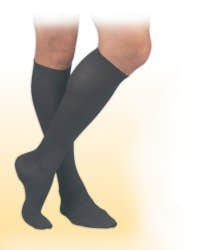
JOBST Activa Compression Dress Socks - 824265_PR - 1
JOBST Activa Compression Dress Socks
Sale priceFrom $24.99
JOBST UltraSheer Female Knee-High Compression Stockings, Medium, Sun Bronze -1 Pair
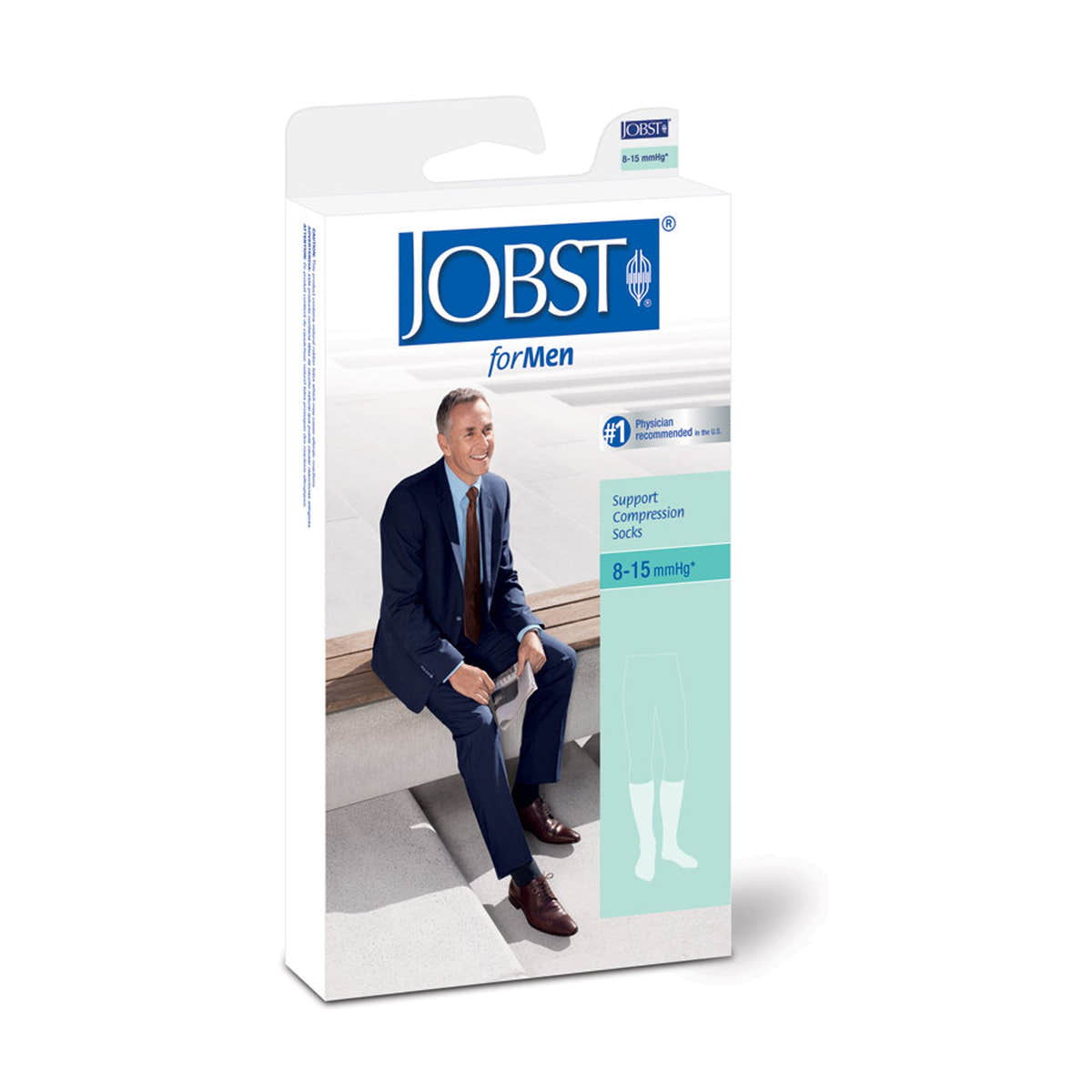
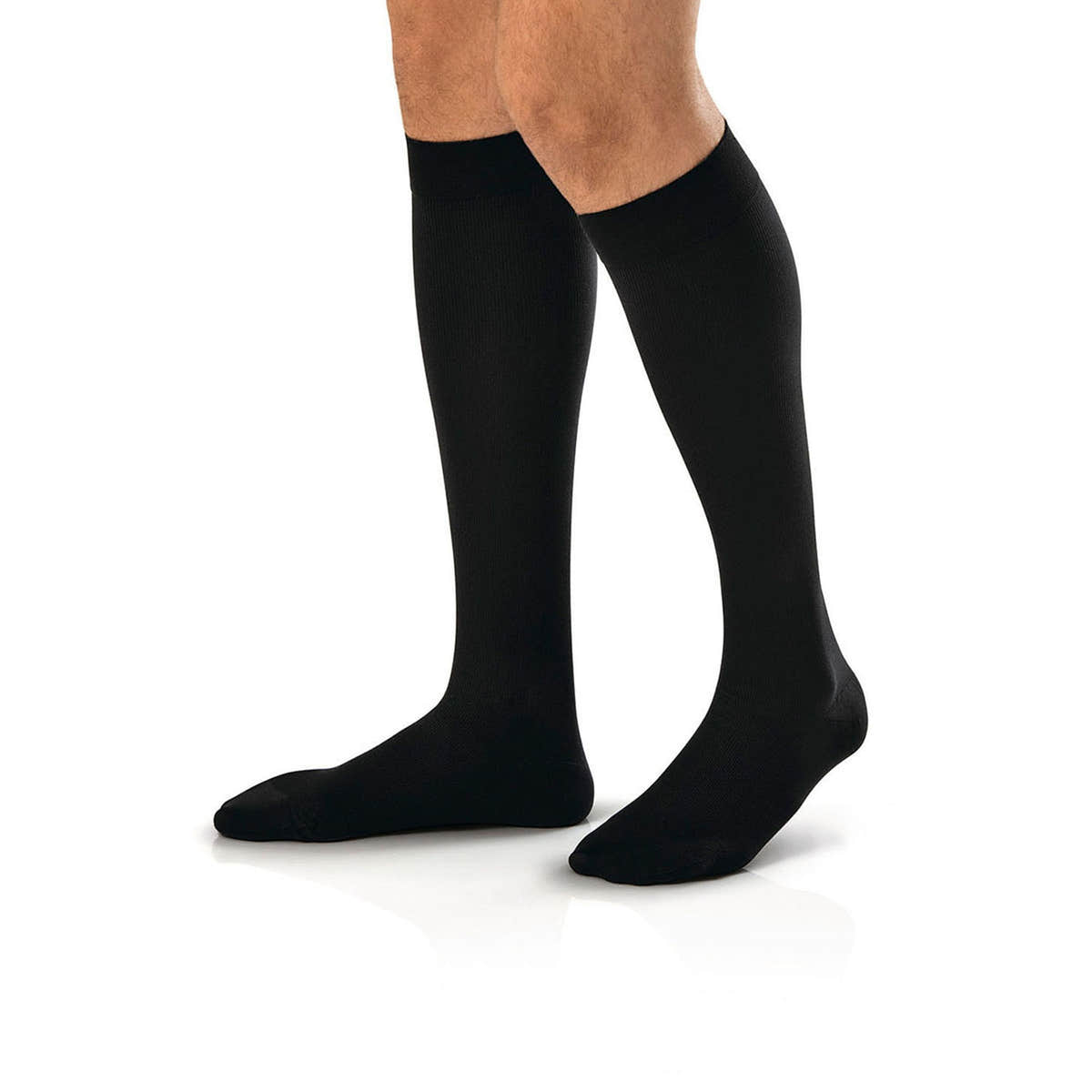
JOBST For Men Knee High Compression Stockings, Large, Black -1 Pair
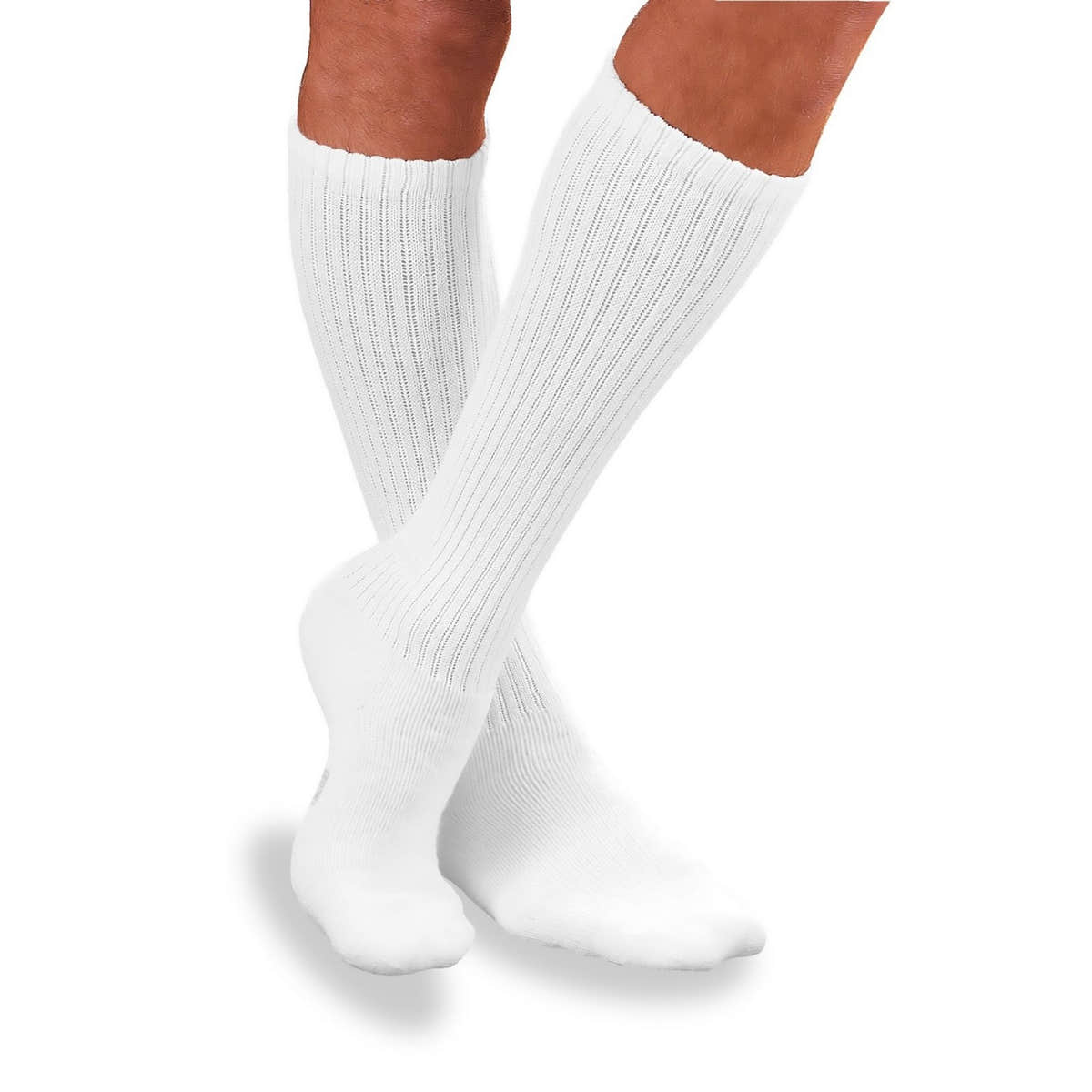
Jobst for Men Classic Compression Knee-High Socks, X-Large, White -1 Pair
JOBST FarrowWrap Basic Compression Wrap, Large, Tan Leg -Each
JOBST for Men Causal Male Compression Socks, X-Large -1 Pair
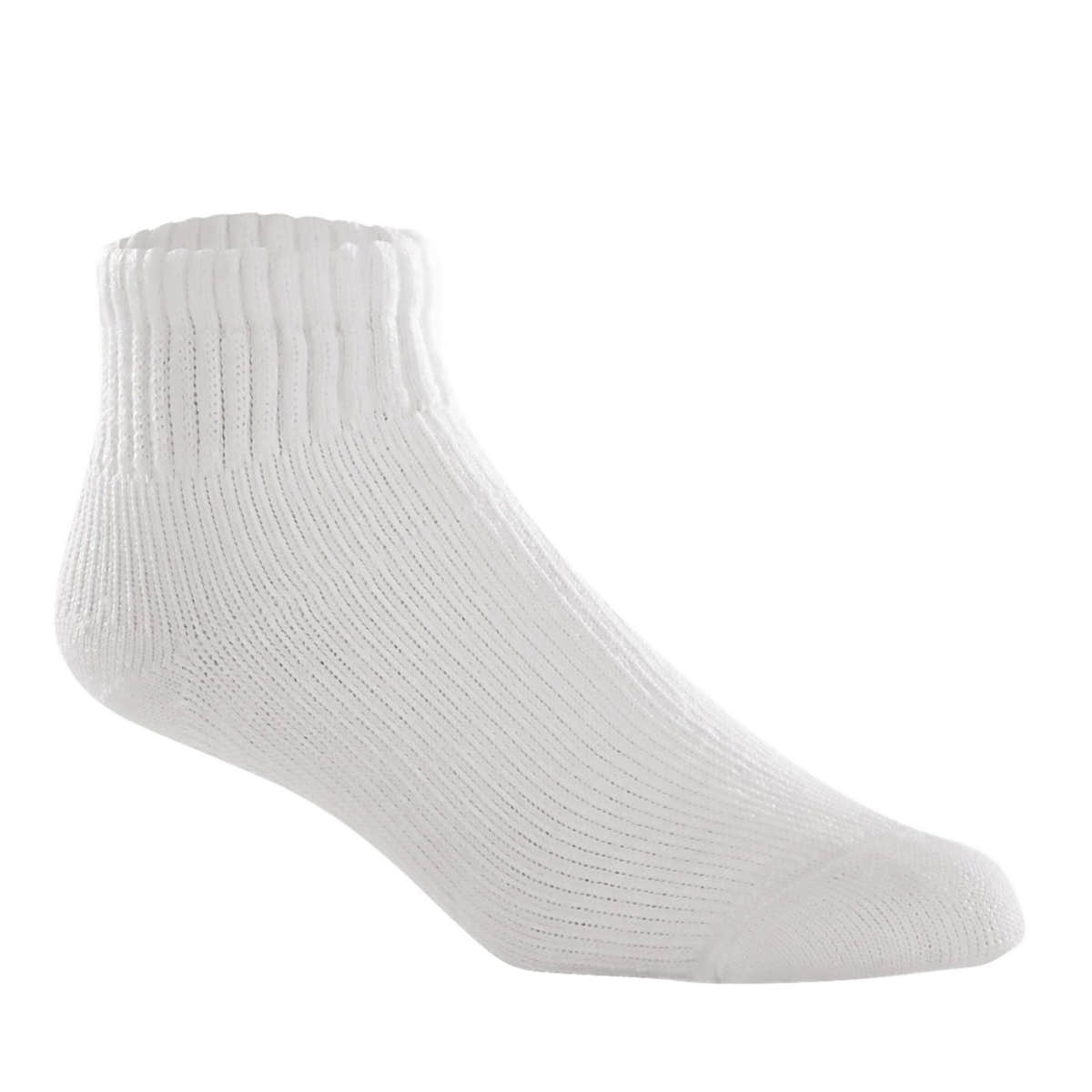
JOBST Diabetic Socks - 875489_PR - 1
JOBST Diabetic Socks
Sale price$24.99

Frequently Asked Questions about BSN Jobst

Compression stockings are medical-grade garments that apply graduated pressure to the legs, with the most compression at the ankle and gradually less pressure moving up the leg. This design helps improve blood circulation, reduce swelling, and relieve discomfort caused by conditions like varicose veins, venous insufficiency, and lymphedema.

Compression stockings are designed for people who experience leg swelling, poor circulation, varicose veins, venous insufficiency, or lymphedema. They are also commonly recommended for patients recovering from surgery, individuals who stand or sit for long periods, and those at risk for deep vein thrombosis.

Start by consulting your doctor or healthcare provider, who can recommend the appropriate compression level based on your condition. Compression stockings are typically available in ranges like 15–20 mmHg for mild support, 20–30 mmHg for moderate conditions, and 30–40 mmHg for more severe venous or lymphatic issues.

Put on compression stockings first thing in the morning before swelling begins, turning the stocking inside out to the heel and then rolling it up the leg gradually. Avoid bunching or folding the fabric, and make sure the stocking lies smooth against the skin to ensure even compression throughout the day.

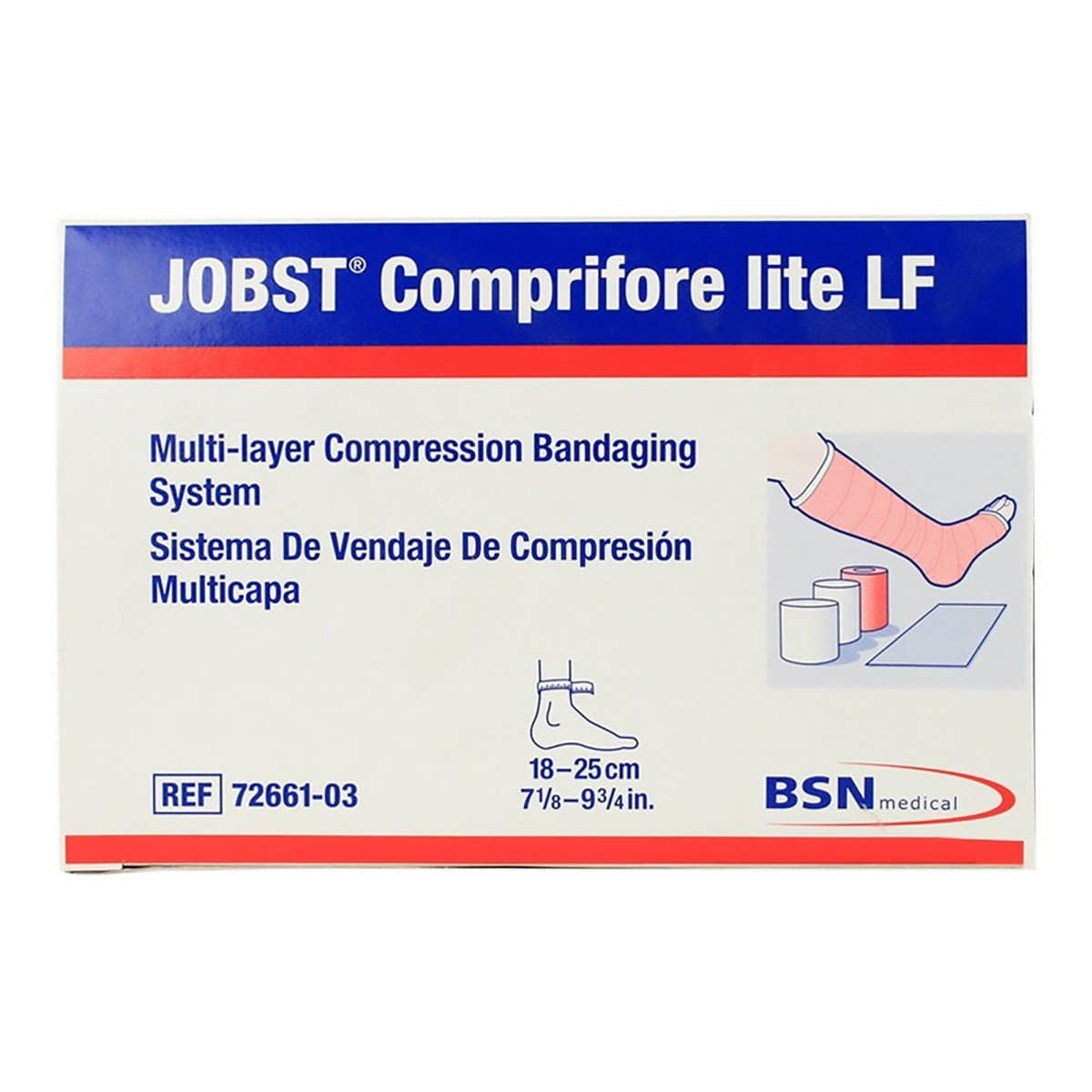
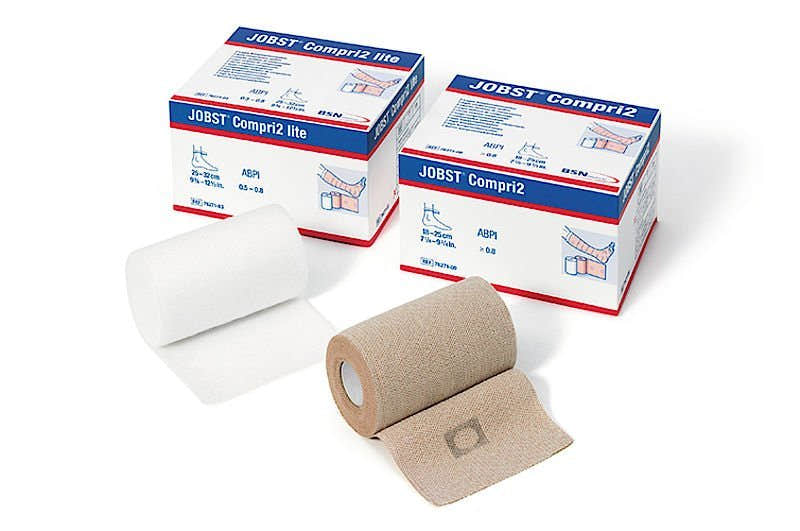
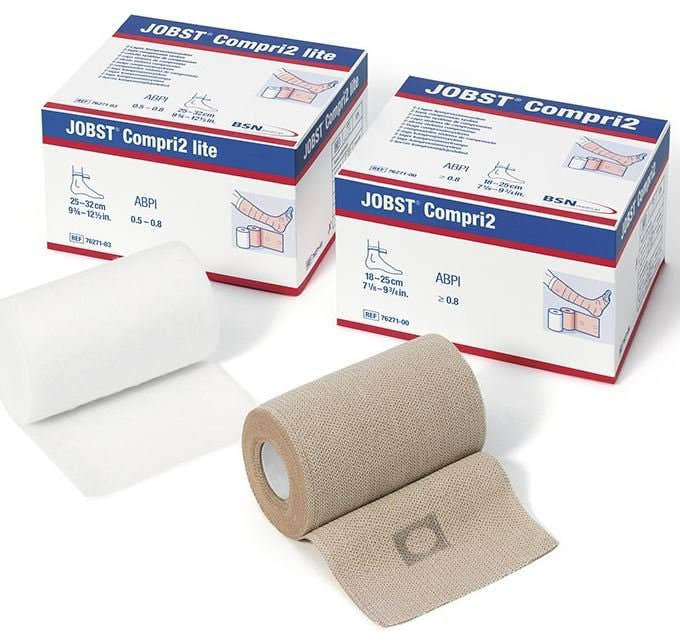
Compression bandage systems use multiple layers of bandaging material applied by a clinician to deliver sustained compression, and are typically used for wound care or acute lymphedema management. Compression stockings are ready-to-wear garments suited for daily, long-term management of venous or circulatory conditions.

Sizing compression stockings properly requires measuring the circumference of your ankle, calf, and sometimes thigh, along with your leg length. Most brands provide a sizing chart that matches these measurements to a specific size, so taking accurate measurements before purchasing is essential for effective compression and comfort.

Yes, compression stockings are generally safe for daily wear when used at the compression level recommended by a healthcare provider. Most people wear compression stockings throughout the day and remove them before bed, though anyone with arterial disease or certain skin conditions should check with a doctor before use.

Because graduated compression stockings are clinically designed to deliver the most pressure at the ankle and gradually decrease pressure up the leg, which actively helps push blood back toward the heart. Regular support socks provide uniform, lighter pressure and are not engineered to address venous or circulatory conditions in the same way.

Medical-grade compression stockings are available through medical supply stores, pharmacies, and online retailers like Cart Health that carry brands specializing in compression therapy. Shopping through a dedicated medical supply source ensures you have access to the full range of compression levels, styles, and sizes appropriate for your condition.

Wash compression stockings by hand or on a gentle machine cycle using mild soap and cool water, then lay them flat or hang them to air dry away from direct heat. Avoid using bleach or putting compression stockings in a dryer, as high heat breaks down the elastic fibers and reduces the garment's ability to deliver consistent compression.

Recently viewed