Filters

Wheelchairs

104 products

Showing 1 - 24 of 104 products

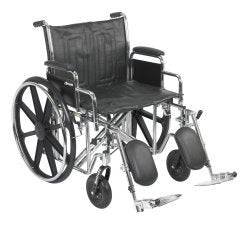
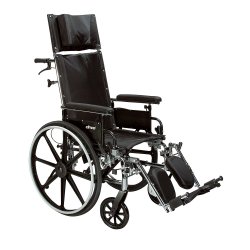
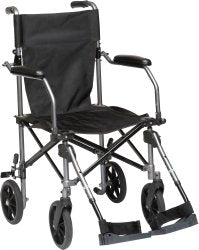
Shop our selection of wheelchairs with various features that come with different seat widths, wheel sizes and more.

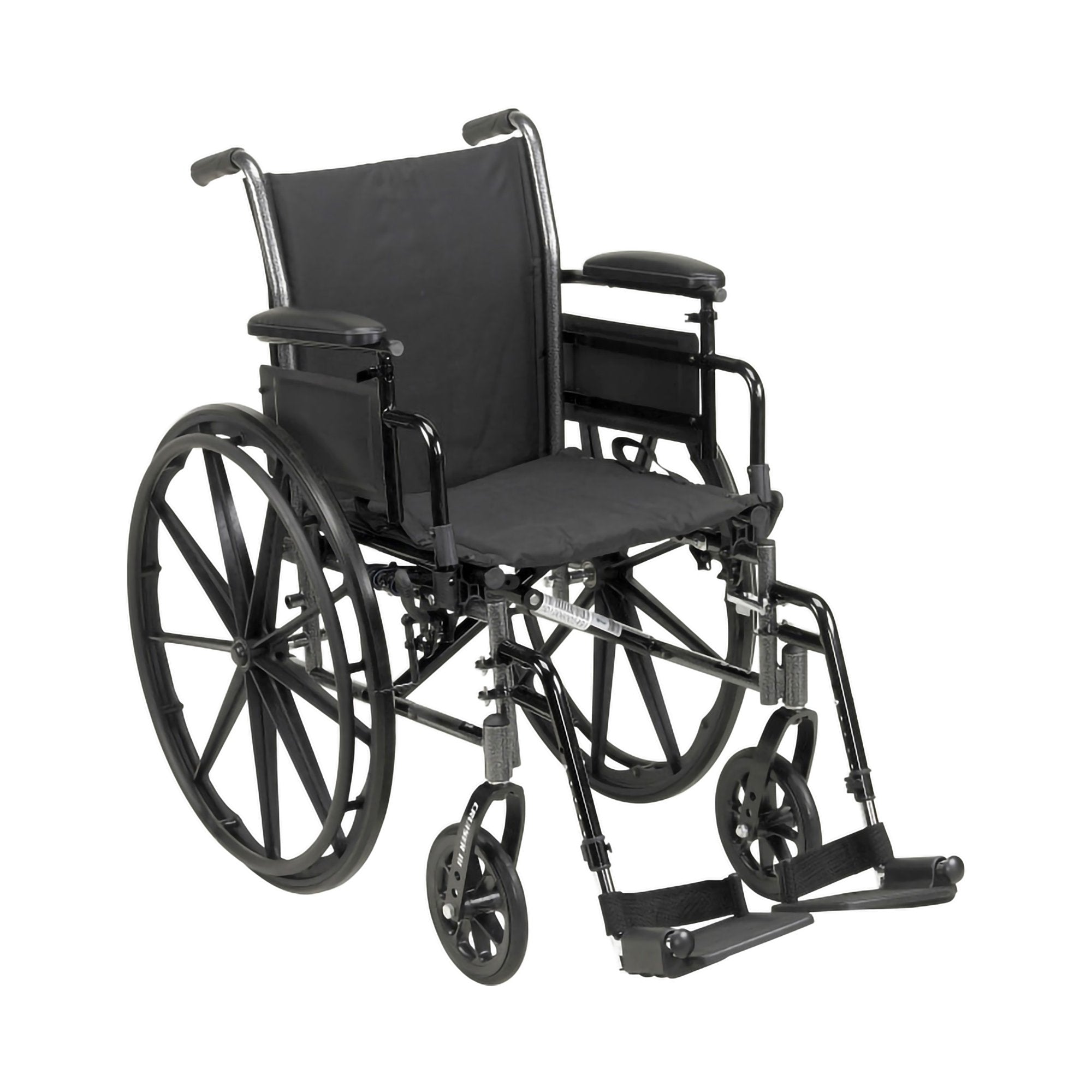
Wheelchairs are mobility aids created to help people who, because of a physical condition or accident, are unable to walk or have trouble walking. These tools can be crucial for enhancing mobility and independence since they give individuals a way to move about and get about independently. Wheelchairs come in a wide variety of designs, each one created to fulfill the unique requirements of a particular user.
Showing 1 - 24 of 104 products
View
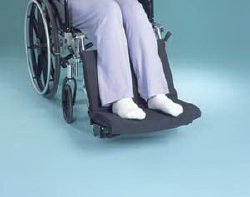
Wheelchair Foot Friend Cushion - 1046645_EA - 1
Save 3%
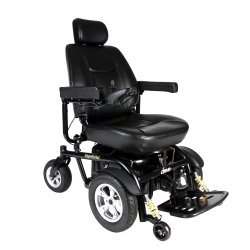
Trident HD Power Wheelchair - 957078_EA - 1
Trident HD Power Wheelchair
Sale price$2,823.99 Regular price$2,899.99
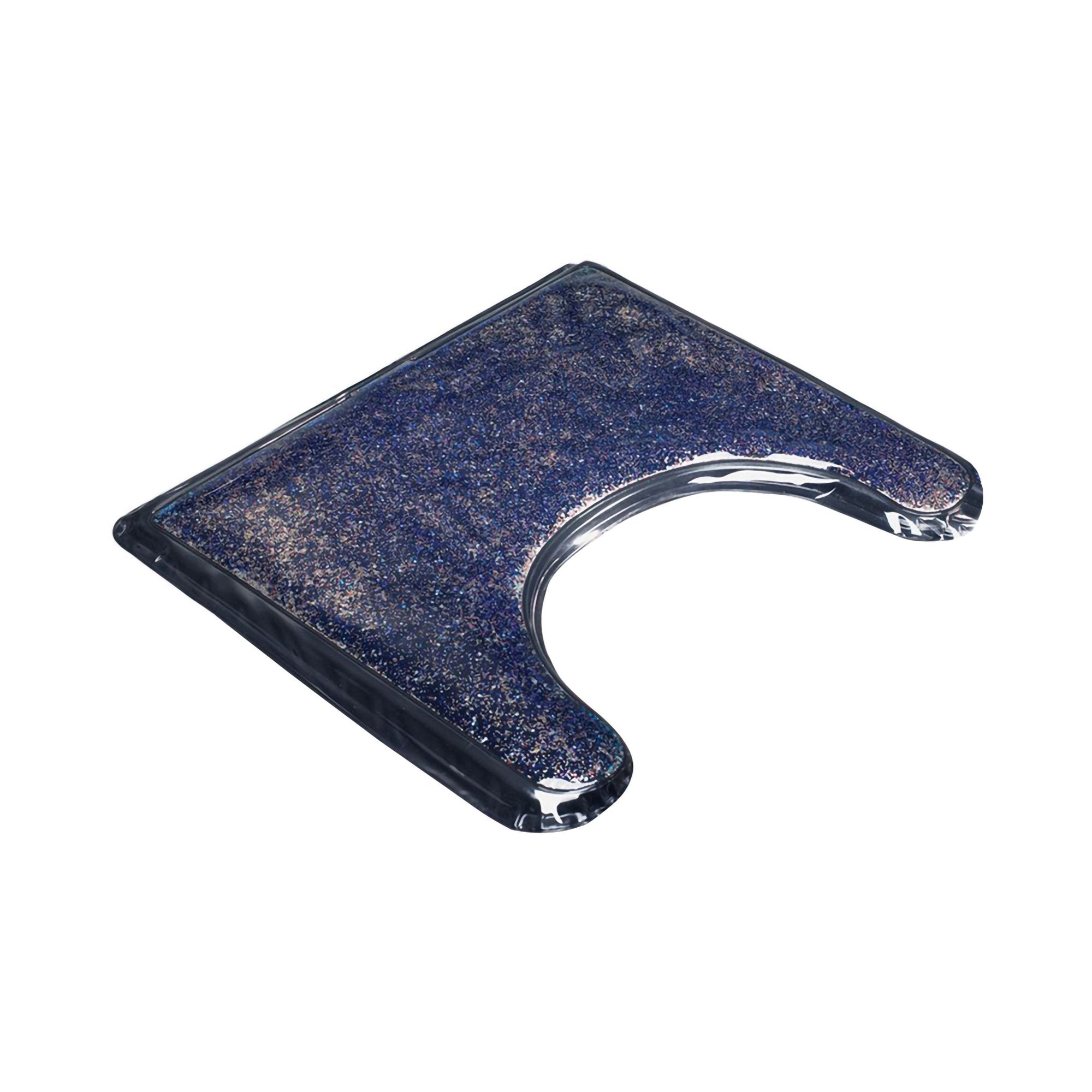
Skil-Care Stimulator Tray -Each
Skil-Care Stimulator Tray
Sale price$150.99
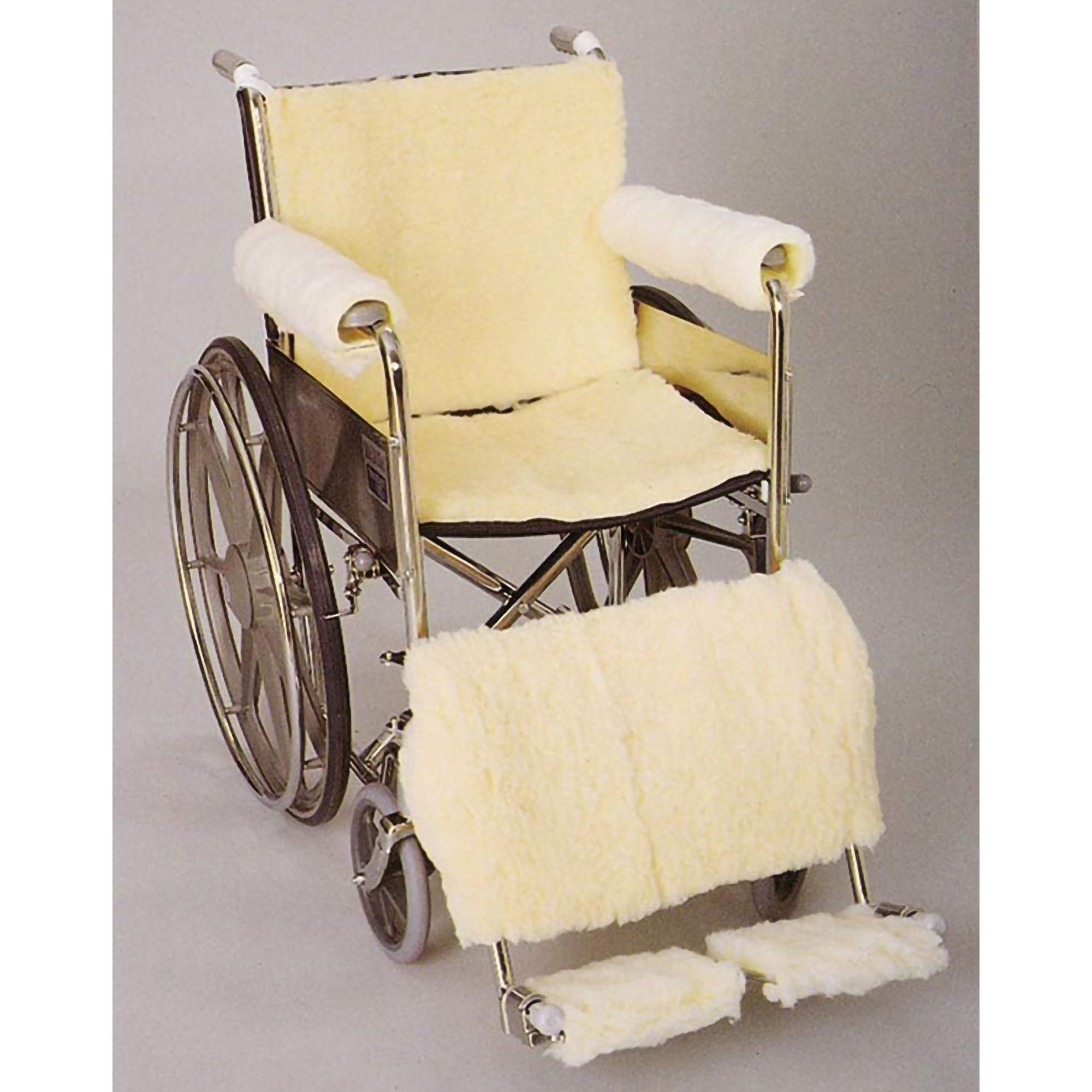
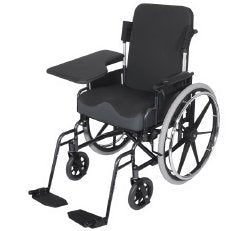
Skil-Care Posture Support for Use With Wheelchair, Medium / Large -Each
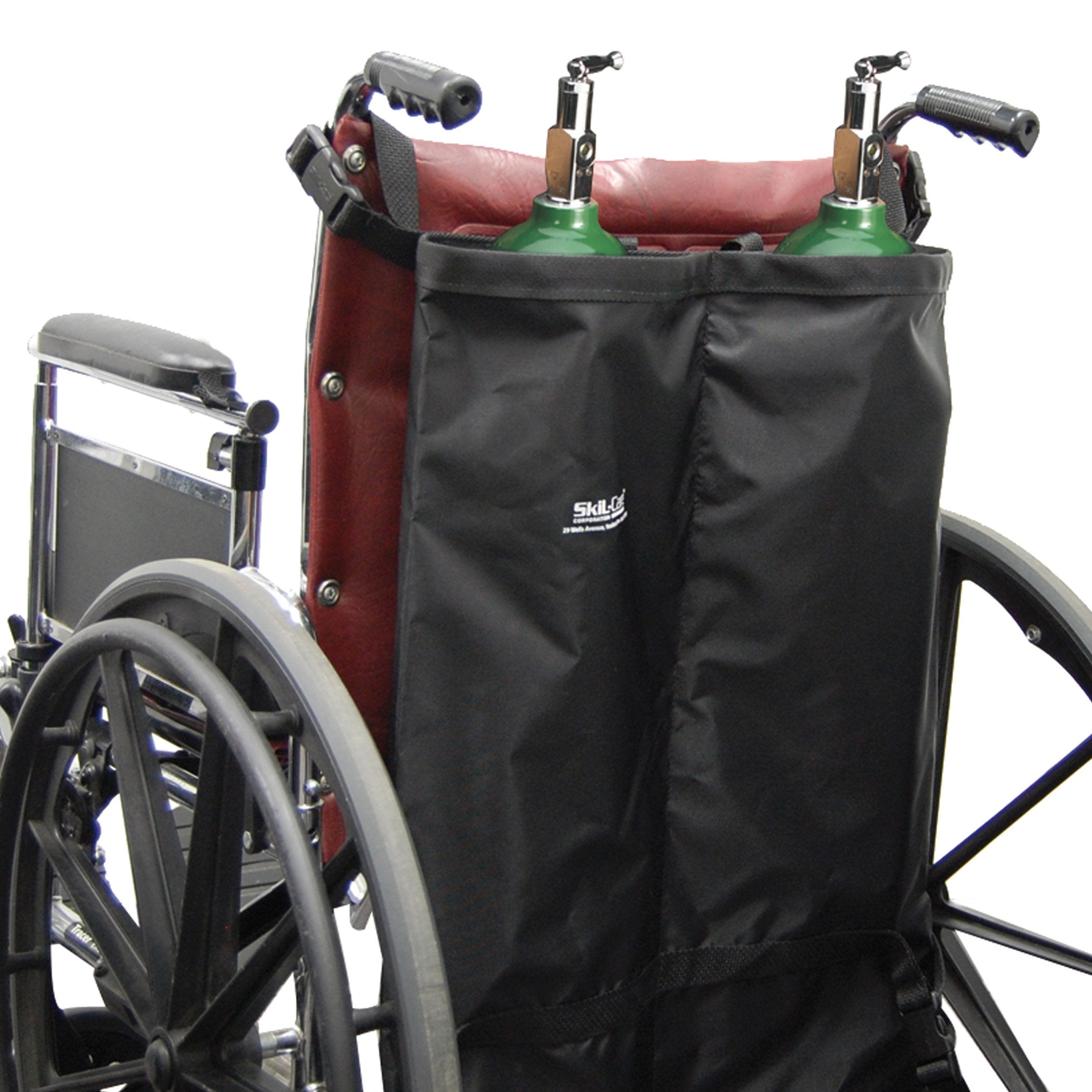
Skil-Care Oxygen Tank Holder -Each
Skil-Care Oxygen Tank Holder
Sale price$43.99
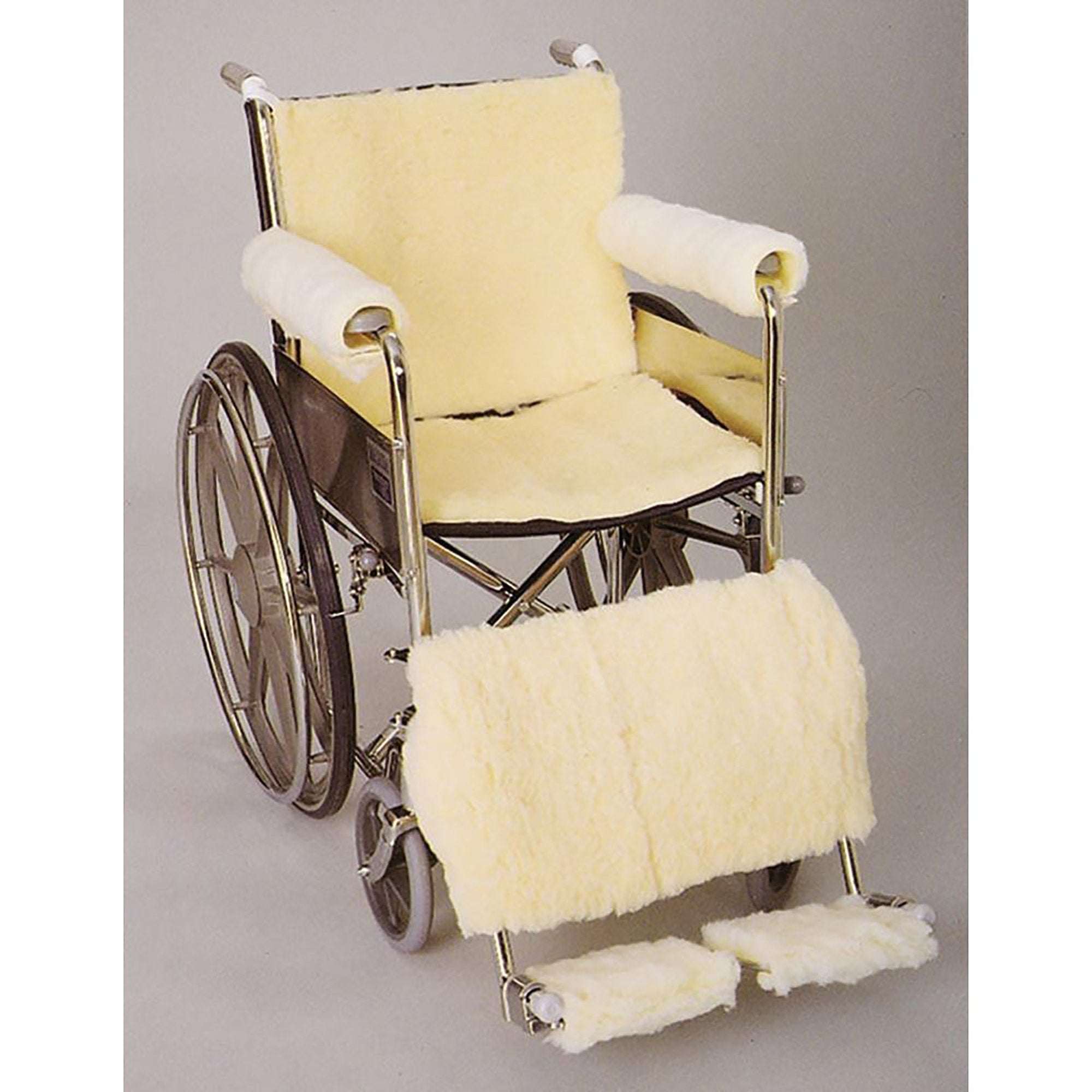
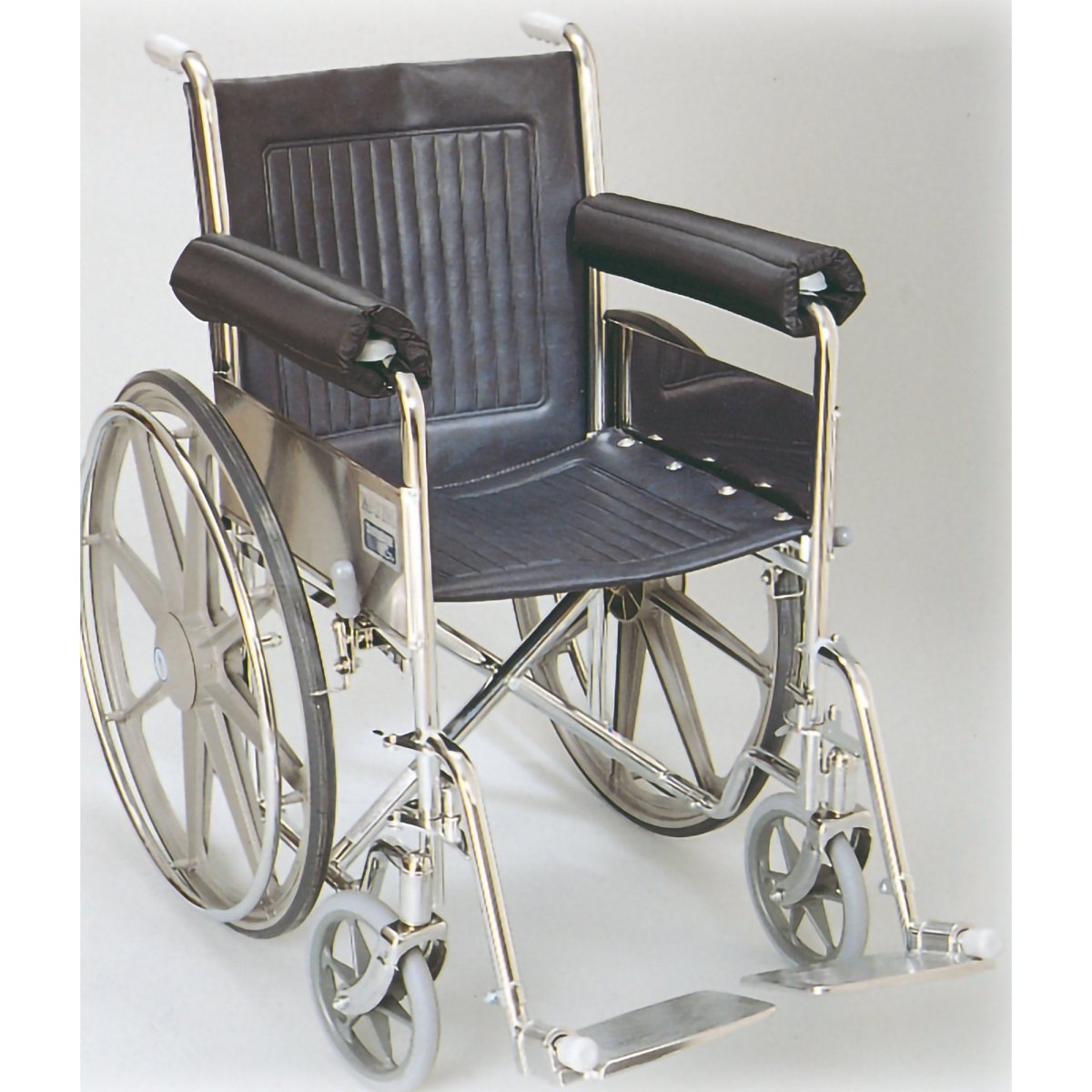
Skil-Care Leg Pad -Each
Skil-Care Leg Pad
Sale price$25.99
Skil-Care Head Positioner -Each
Skil-Care Head Positioner
Sale price$63.99
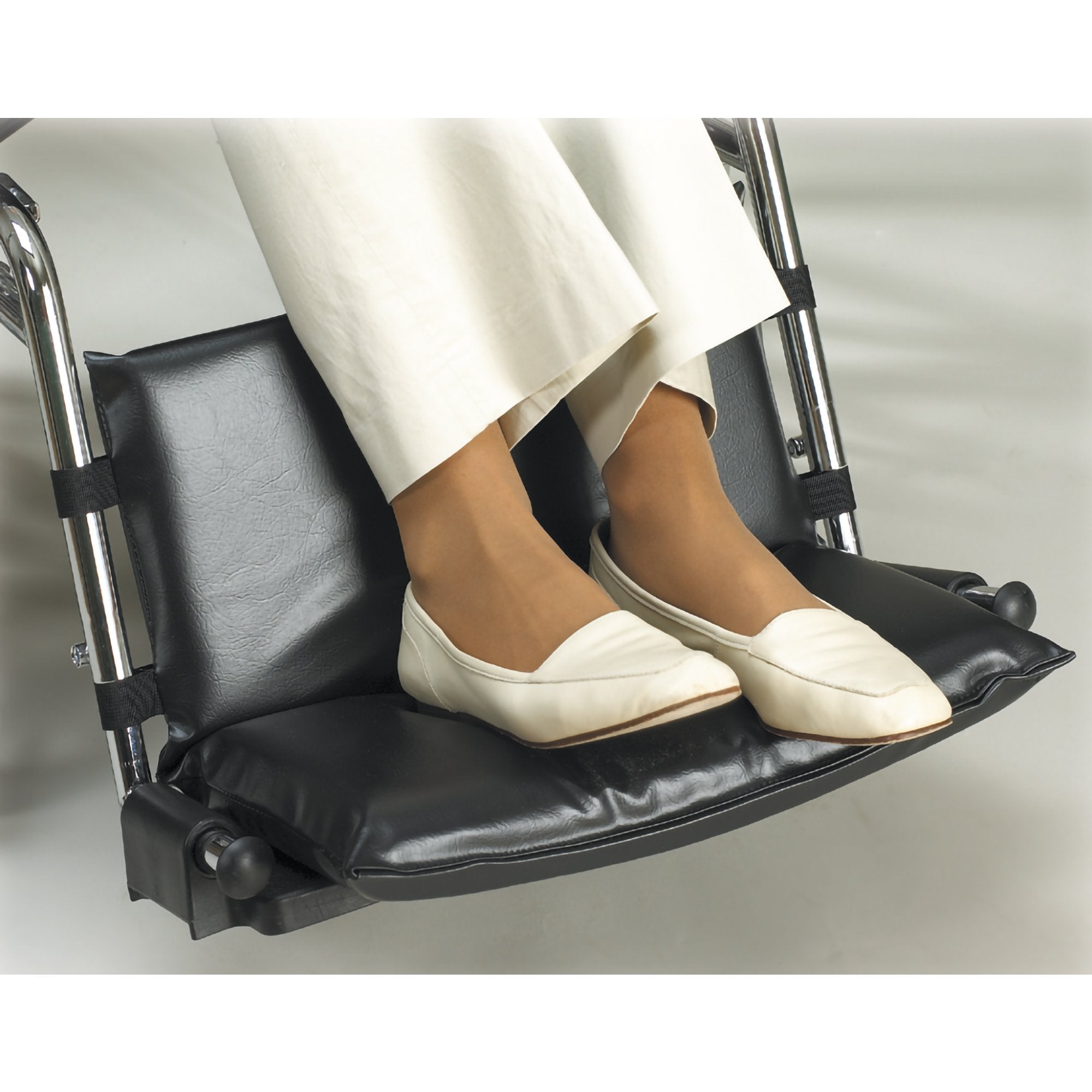
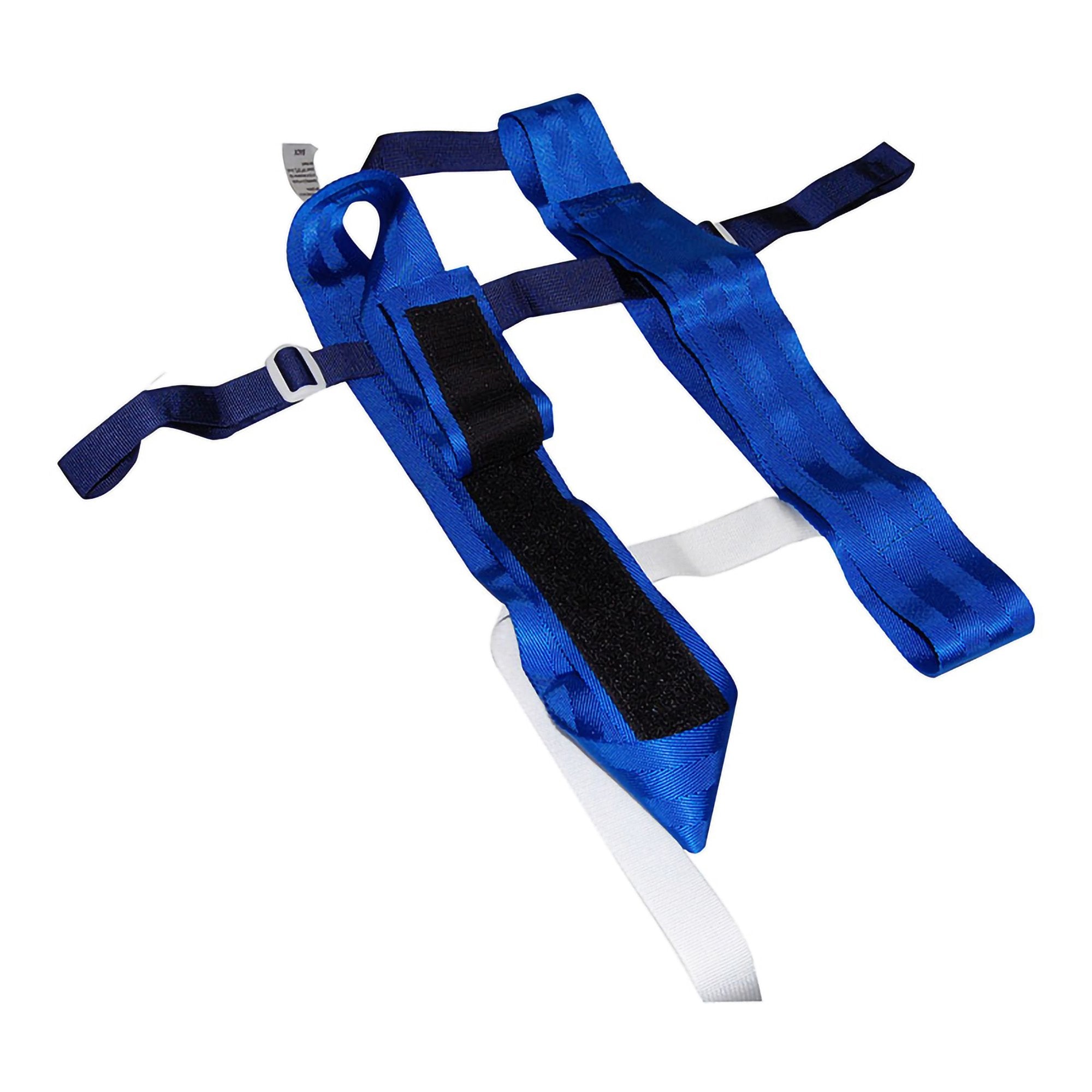
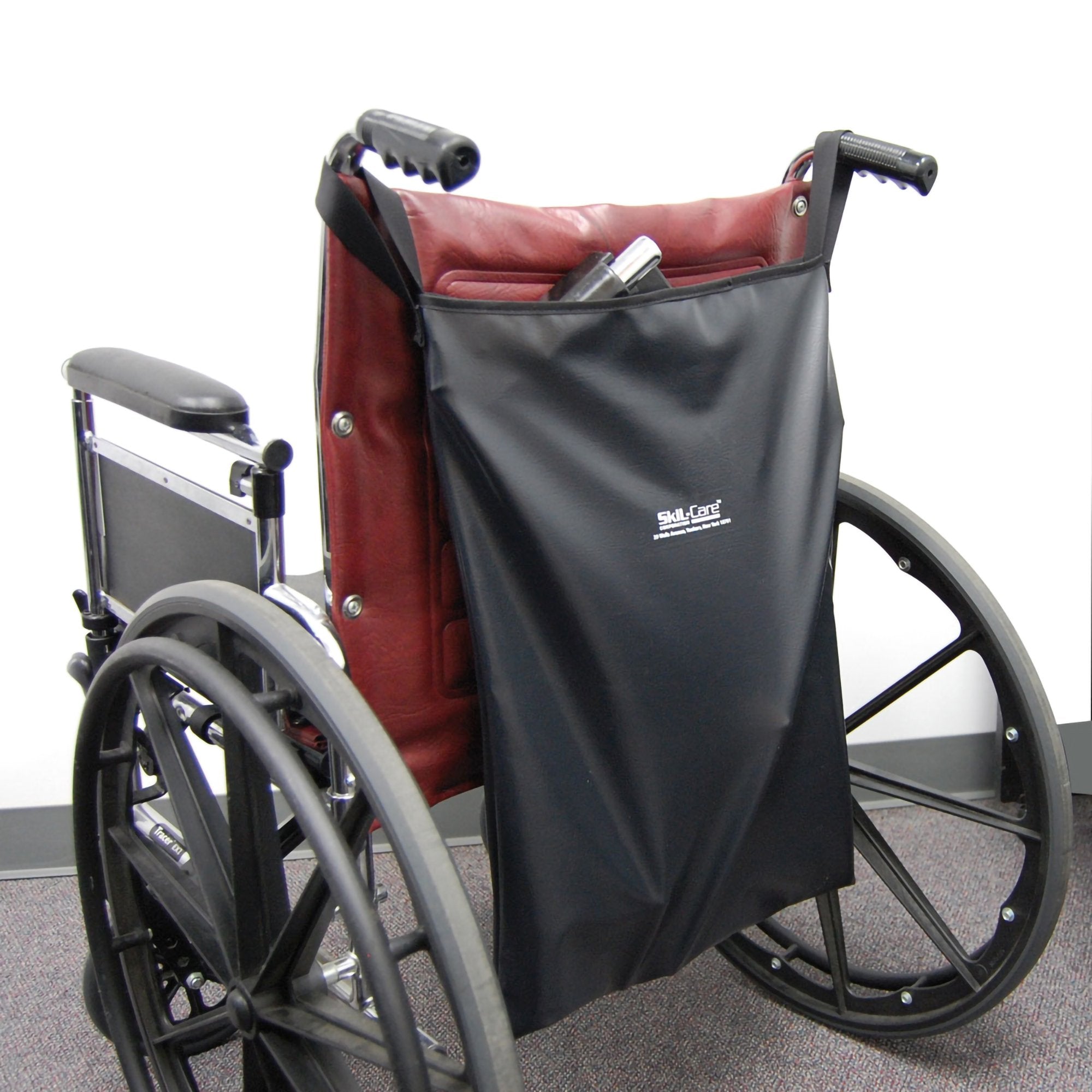
Skil-Care Footrest Bag for Use With Wheelchair, 14 in. L x 22 in. H, Vinyl -Each
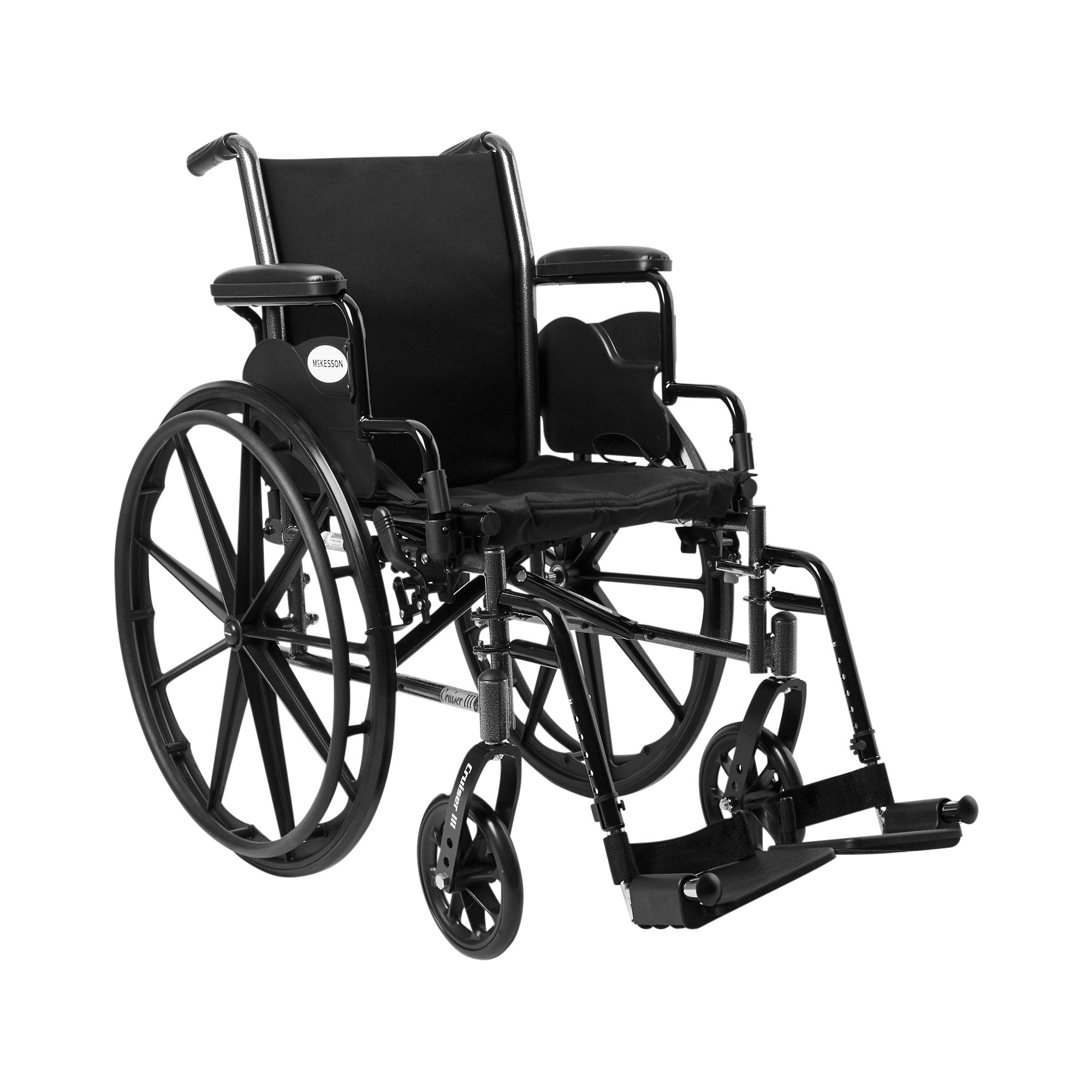
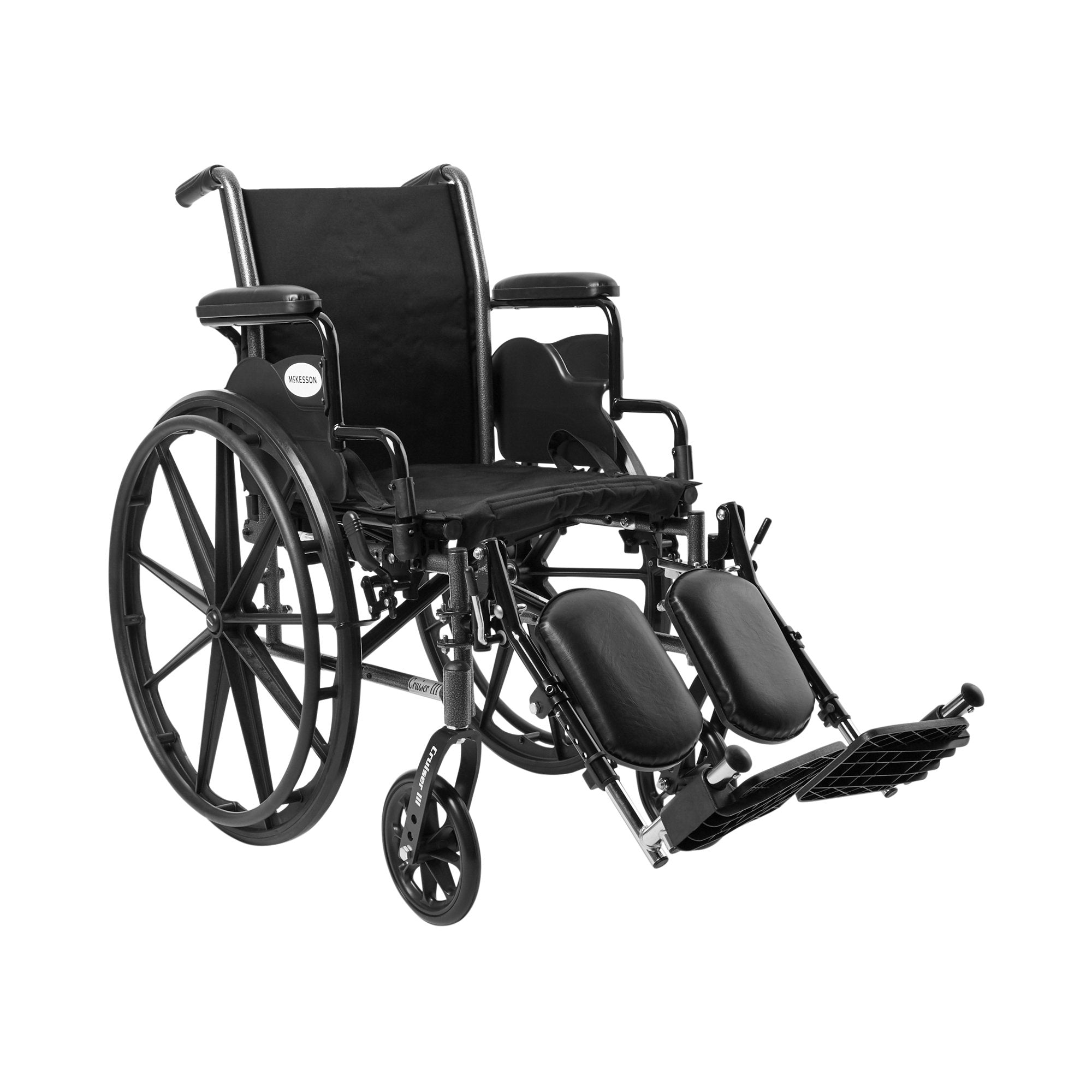
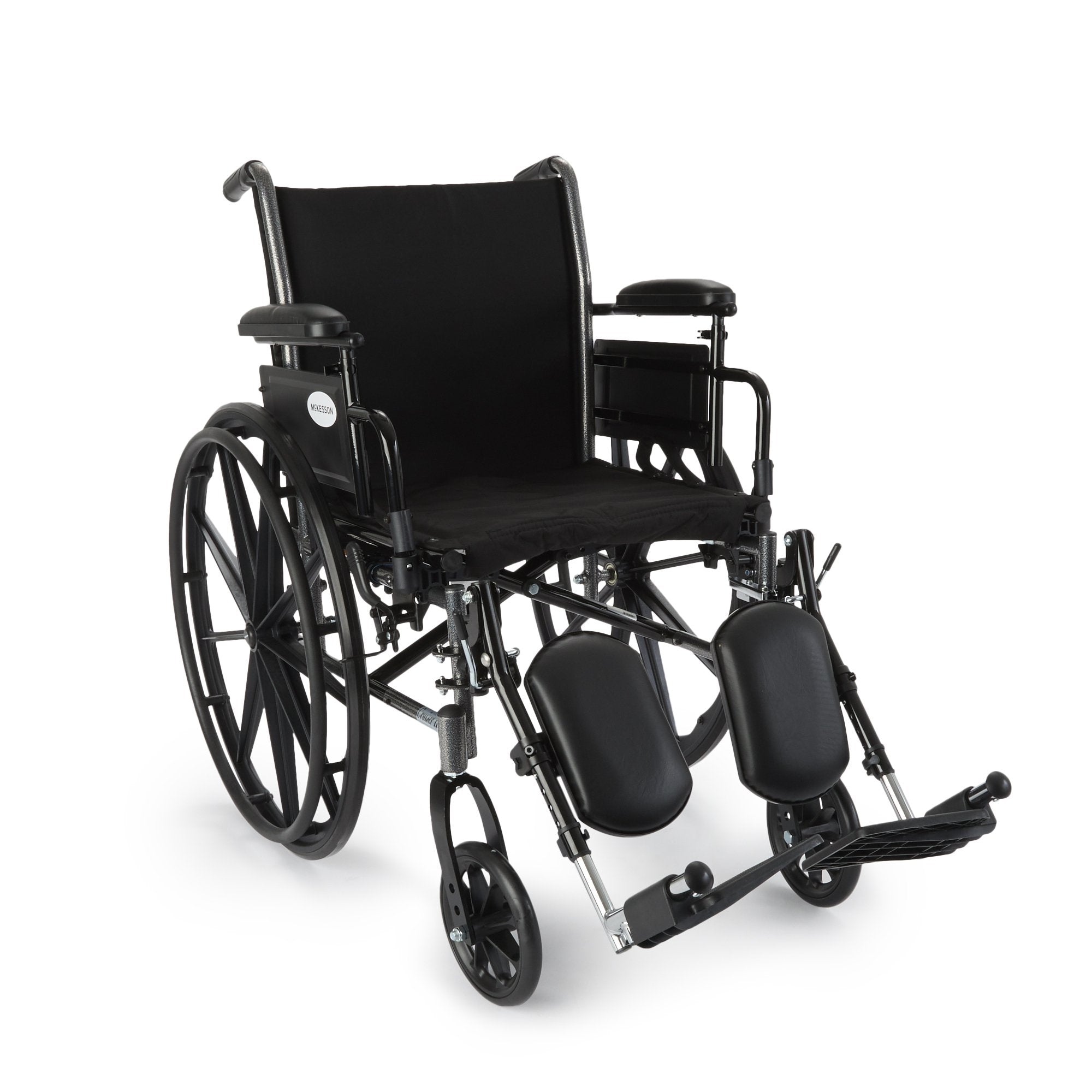
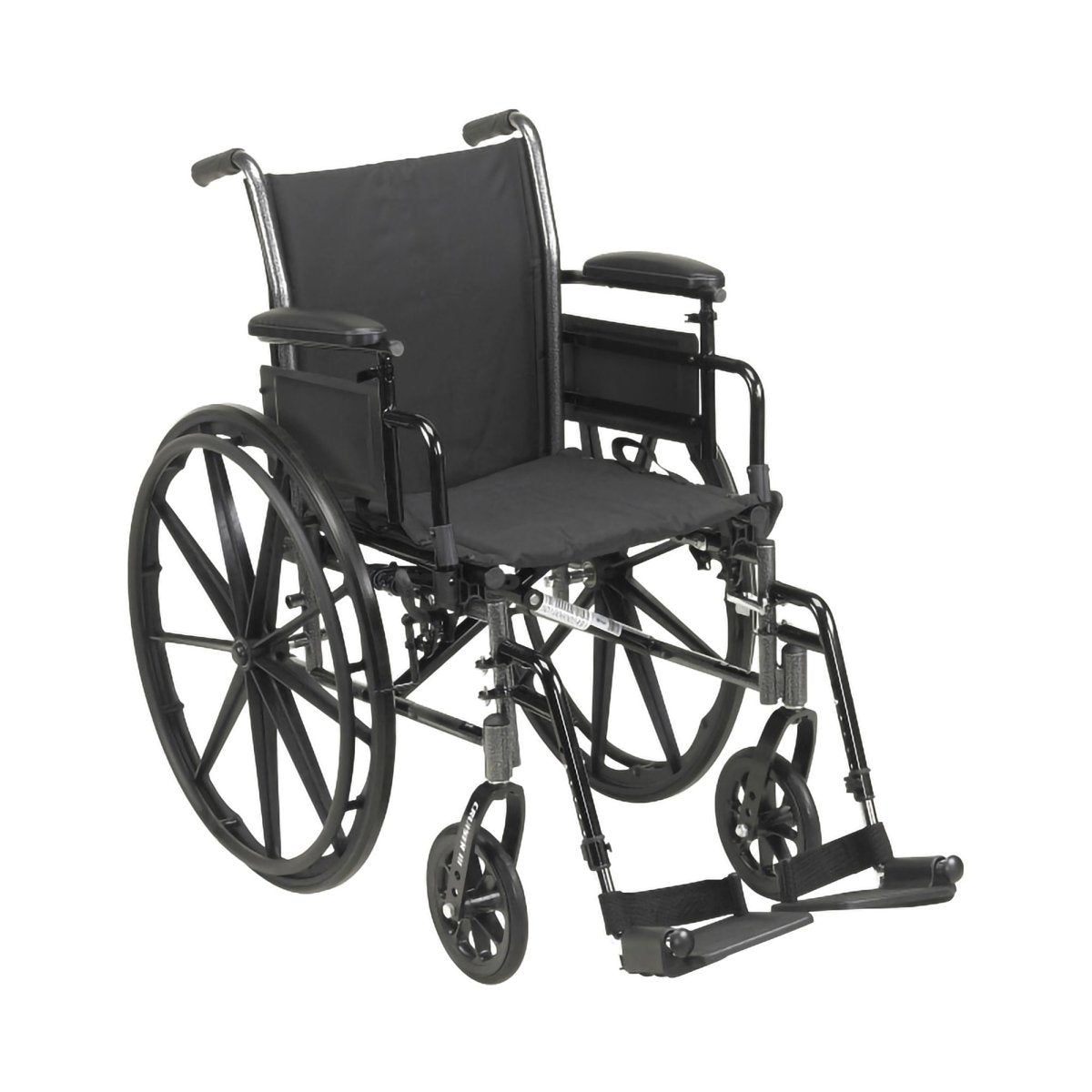
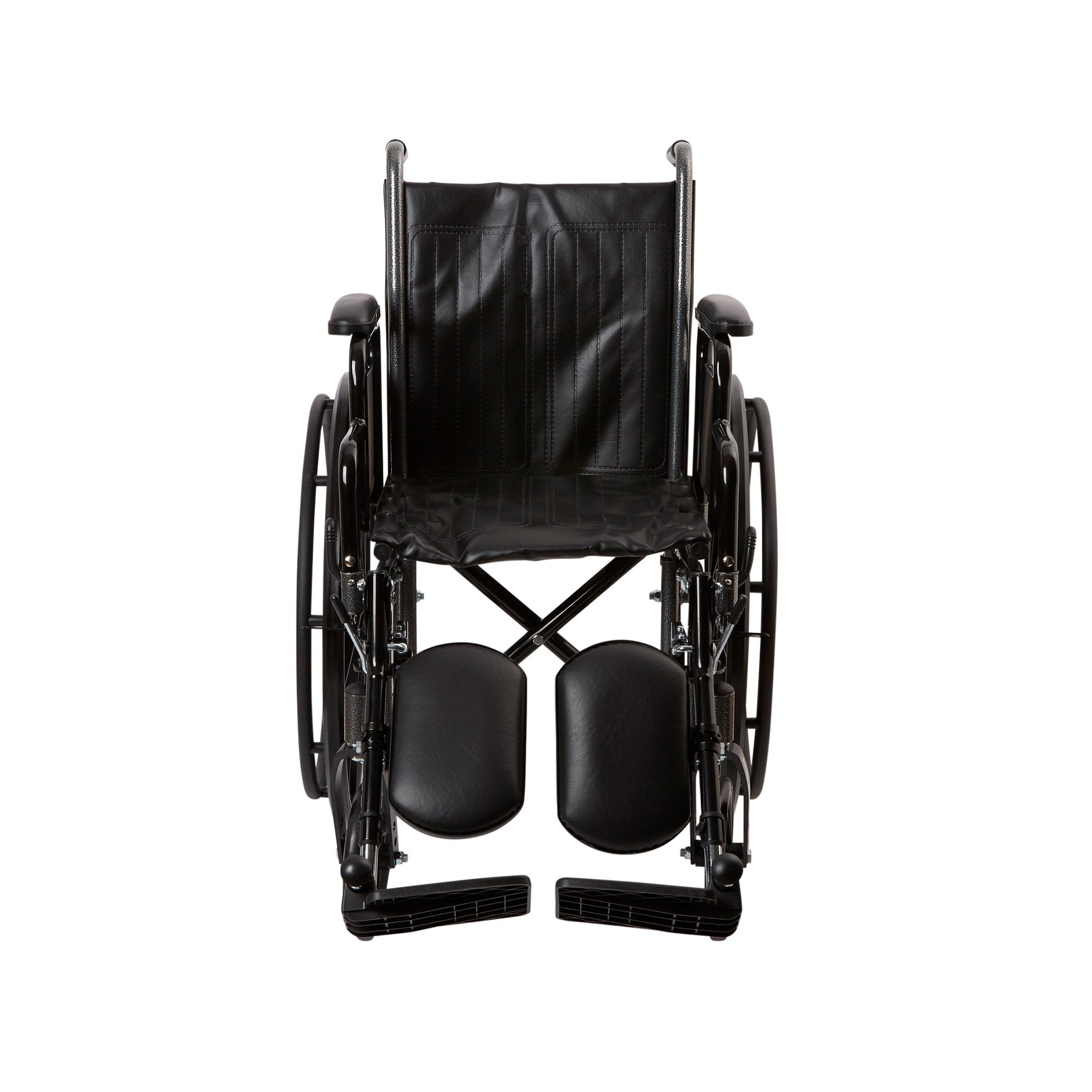
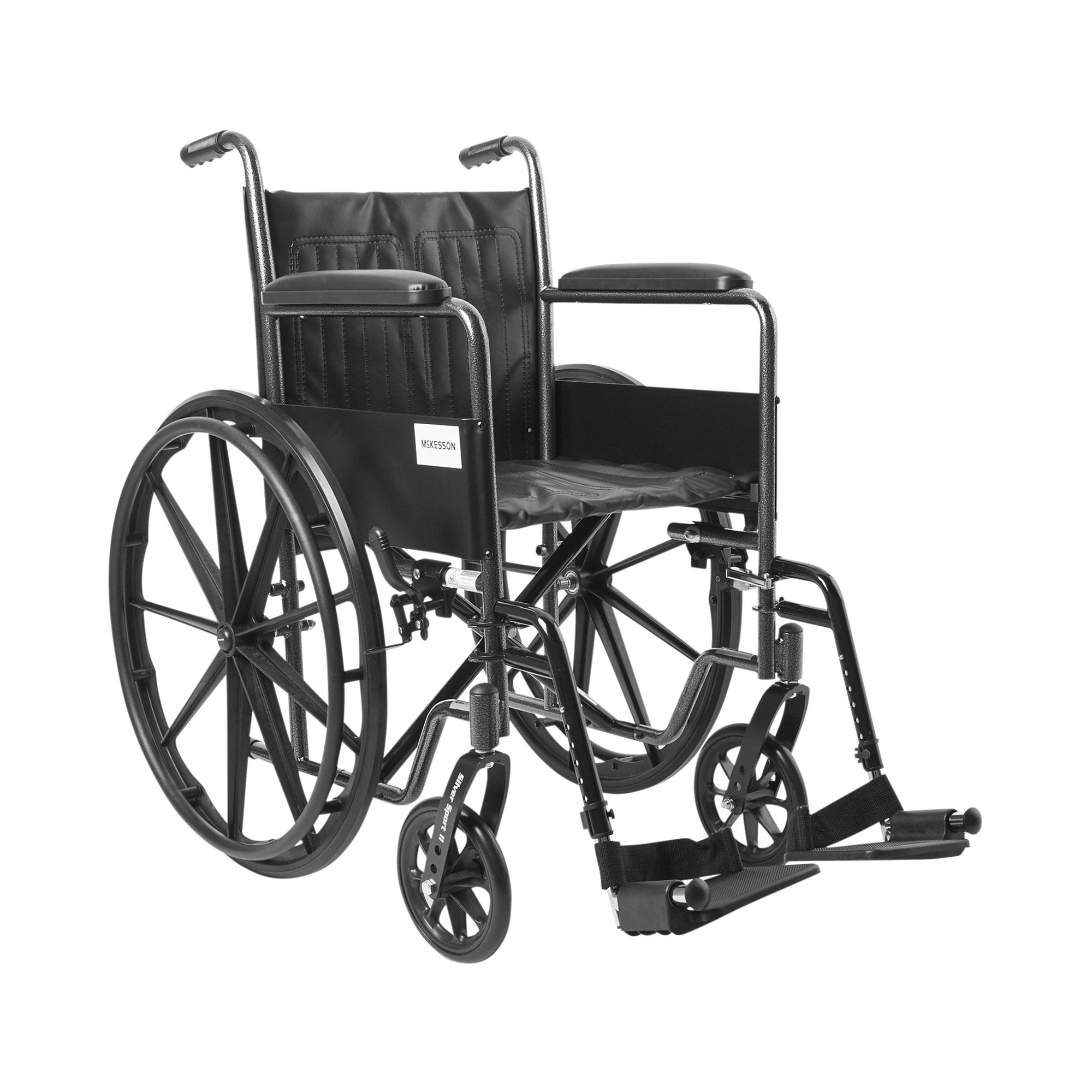
McKesson Dual Axle Wheelchair Full Length Arm Swing-Away Footrest, 18 Inch Seat Width -Each
Save 43%
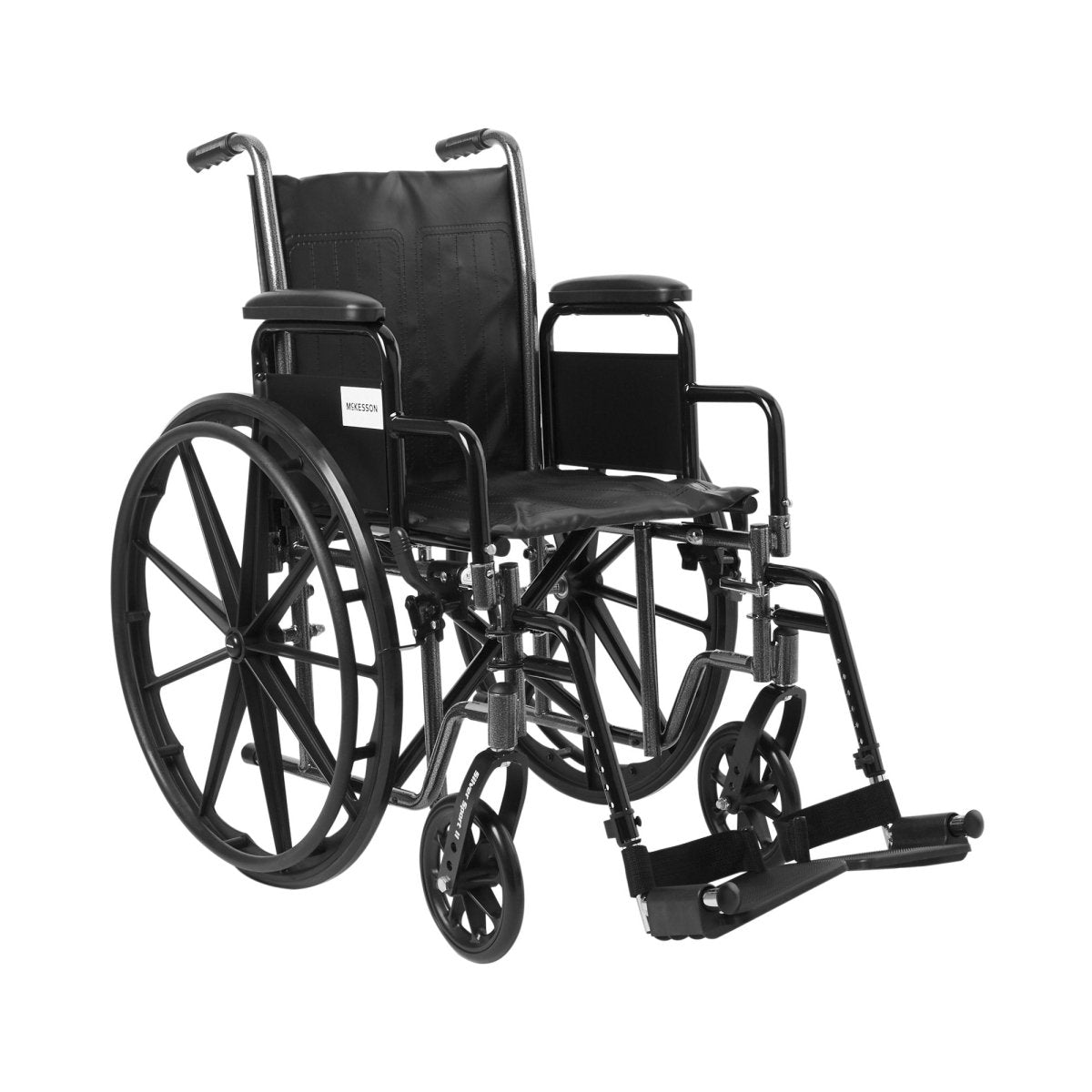
McKesson Dual Axle Wheelchair Desk Length Arm Swing-Away Footrest - 1065272_EA - 2
McKesson Dual Axle Wheelchair Desk Length Arm Swing-Away Footrest
Sale priceFrom $248.99 Regular price$436.99
Choose options

Frequently Asked Questions about Wheelchairs

There are various types of wheelchairs available, including manual wheelchairs, electric-powered wheelchairs, lightweight wheelchairs, transport wheelchairs, and sports wheelchairs, among others. Each type is designed to cater to different mobility needs and preferences.

Wheelchairs provide mobility and independence to individuals with mobility challenges by allowing them to move around comfortably. They help in improving accessibility, enabling individuals to participate in daily activities, and enhancing their overall quality of life.

When choosing a wheelchair, important factors to consider include the user's specific mobility needs, comfort, maneuverability, durability, weight, adjustability, seat size and depth, backrest design, leg and footrest options, portability, and budget. It is recommended to consult with healthcare professionals or mobility specialists for personalized recommendations.

Yes, there are specialized wheelchairs designed to address specific medical conditions. Examples include pediatric wheelchairs for children, bariatric wheelchairs for individuals with obesity, reclining wheelchairs for individuals who need to change positions frequently, and standing wheelchairs for individuals who require upright posture support.

To maintain and care for a wheelchair, regular cleaning, checking tire pressure, lubricating moving parts, inspecting brakes and upholstery, tightening loose bolts, keeping batteries charged (for electric wheelchairs), and storing the wheelchair in a safe and dry location are important. Following the manufacturer's guidelines and seeking professional assistance when needed is also recommended.

There is a wide range of accessories available for wheelchairs, including cushion and backrest options for added comfort, storage bags or backpacks, wheelchair trays, cup holders, specialized seating systems, lap belts, anti-tip devices, and wheelchair ramps or lifts for vehicle transportation, among others. These accessories can be customized to meet individual needs.

Safety considerations when using a wheelchair include ensuring proper fitting and adjustment, using appropriate restraints or seat belts, practicing proper wheelchair handling techniques, being aware of potential obstacles or hazards, maintaining a stable center of gravity, and following traffic rules and guidelines when using the wheelchair outdoors.

Proper wheelchair fit is crucial for comfort and functionality. To measure for a wheelchair fit, important factors to consider include seat width, seat depth, seat height, backrest height, armrest height, footrest or leg rest length, and overall body posture. Consulting with a healthcare professional or wheelchair specialist is recommended for accurate measurements.

Yes, wheelchairs can be customized or modified to suit individual needs. Customization options include seat and backrest cushions, positioning supports, armrest and leg rest adjustments, specialized controls, modifications for specific medical conditions, and wheelchair frame adjustments to accommodate body proportions or unique requirements.

Weight and size limits for wheelchair users vary depending on the specific wheelchair model and its weight capacity. It is essential to check the manufacturer's specifications and recommendations to ensure the wheelchair can safely support the user's weight and size. Exceeding the weight capacity can compromise the wheelchair's functionality and safety.

Recently viewed